3000 FOUR-LEAF CLOVERS
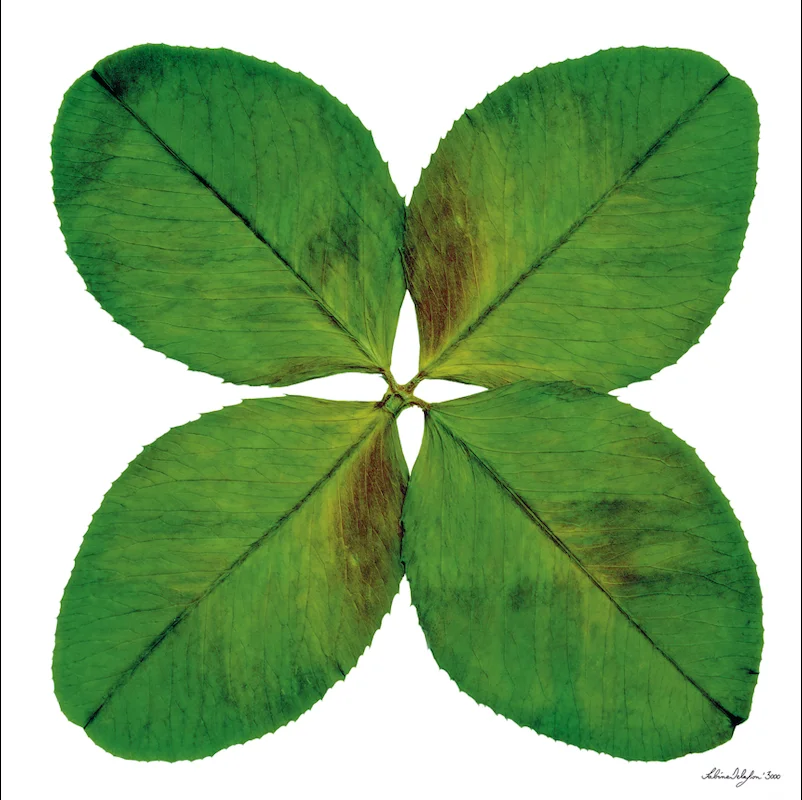
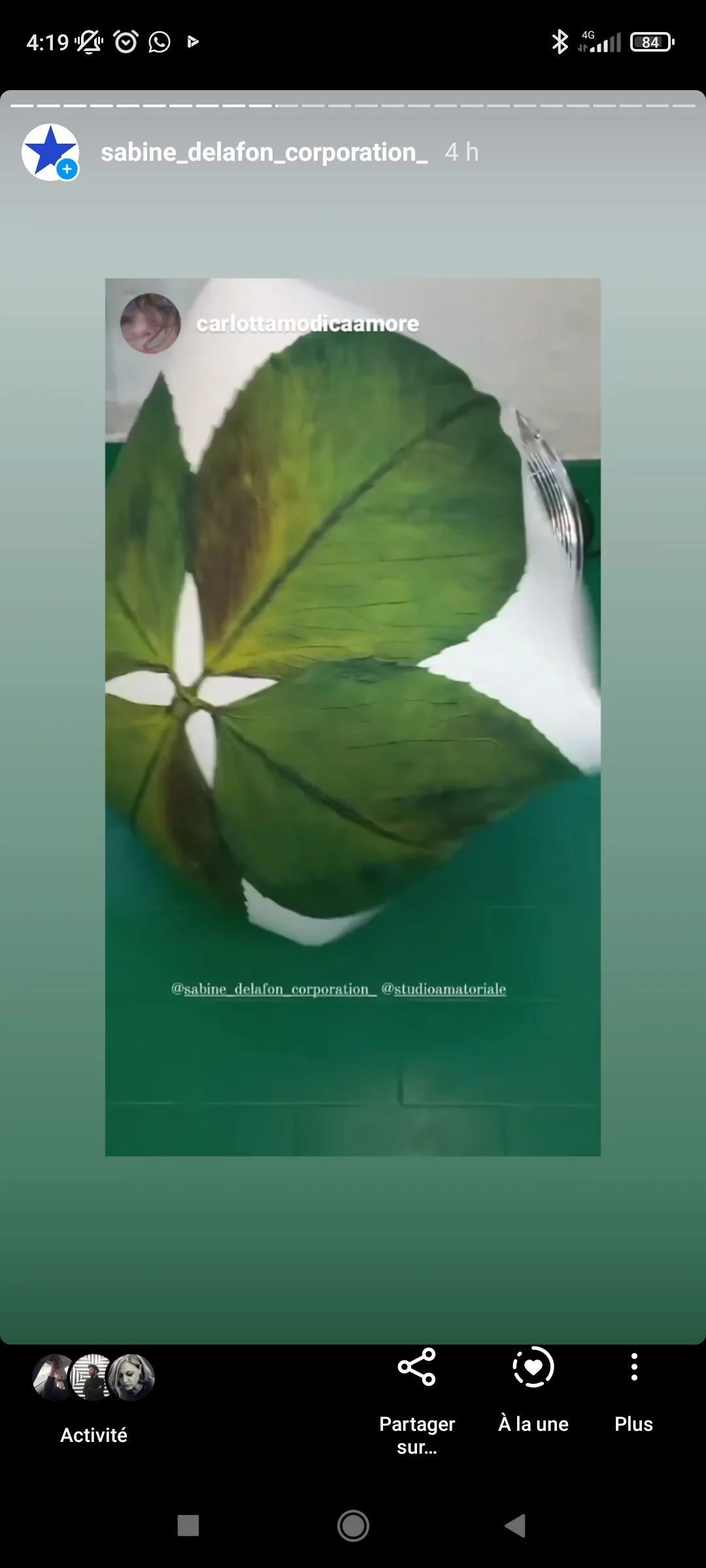
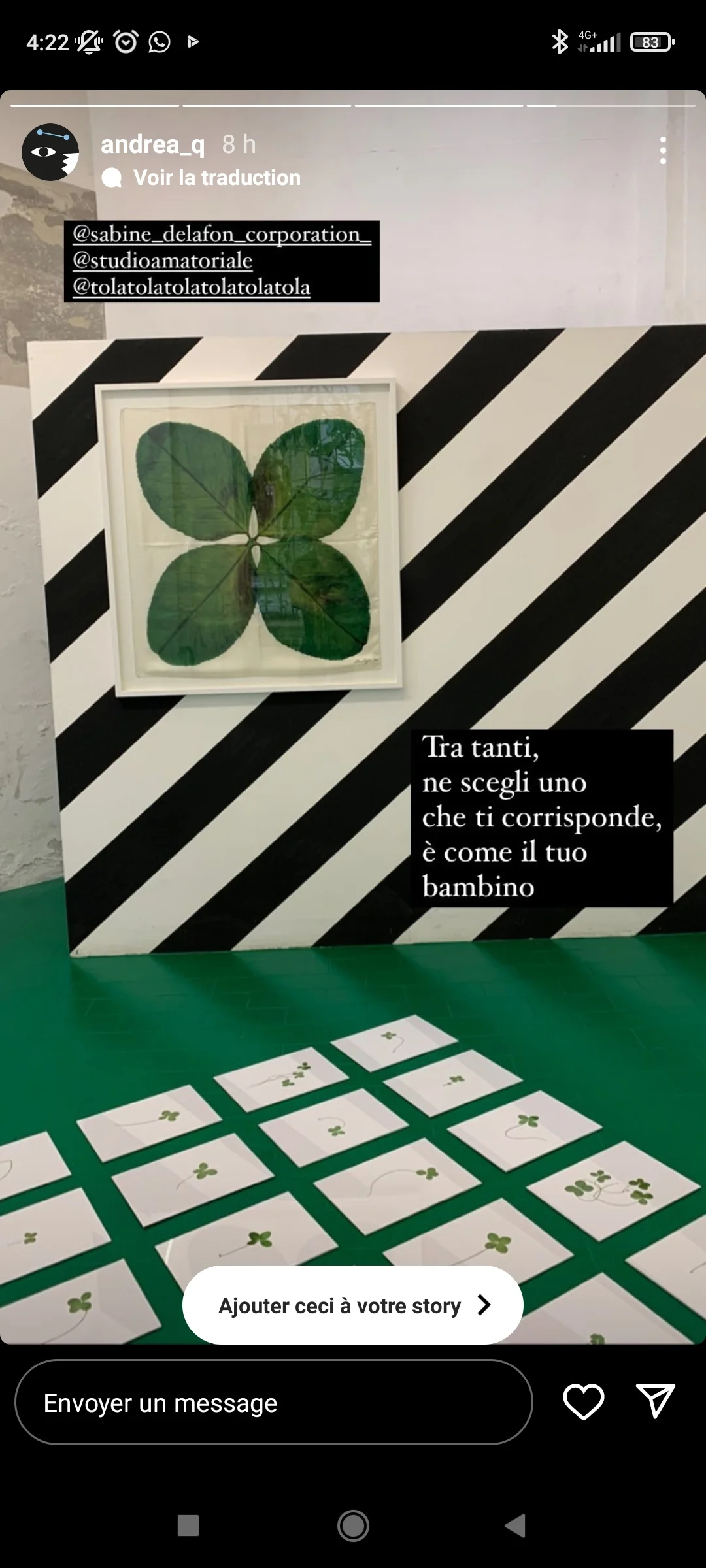
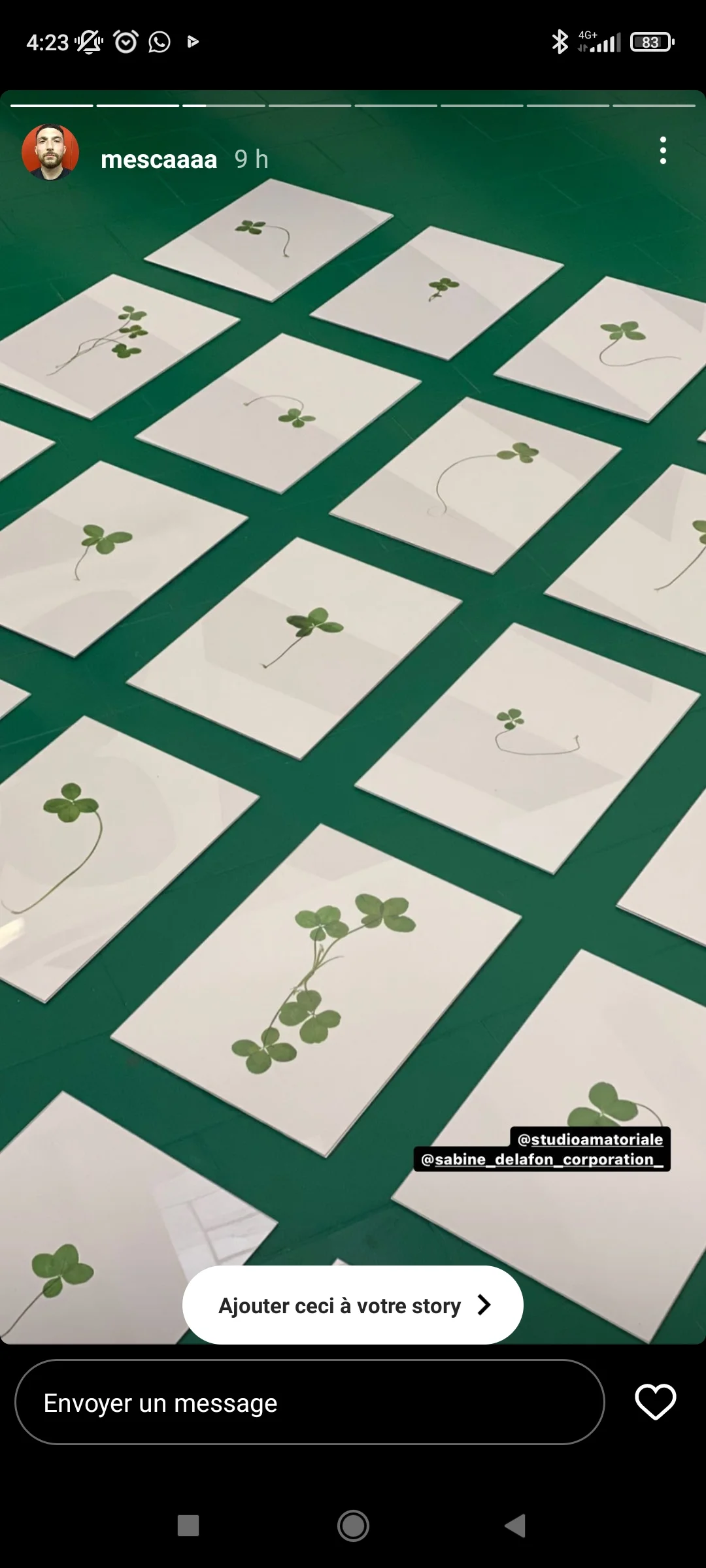
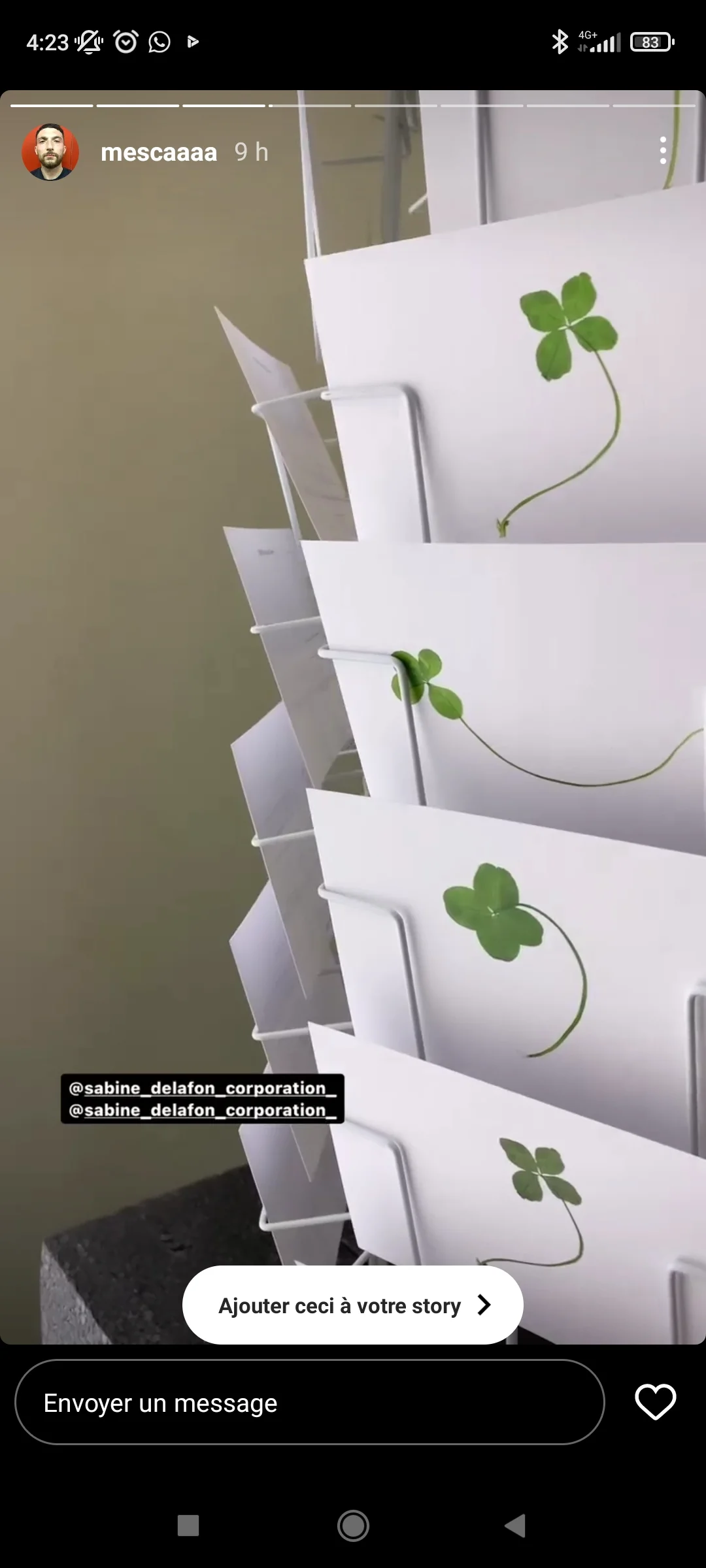
or good luck charms. Quest of rarity, exception. Superstition. Four-leaf clovers scanned, re-designed and printed on paper. Mounted on aluminum and plexiglas. Each edition unique. Collection started in 2000
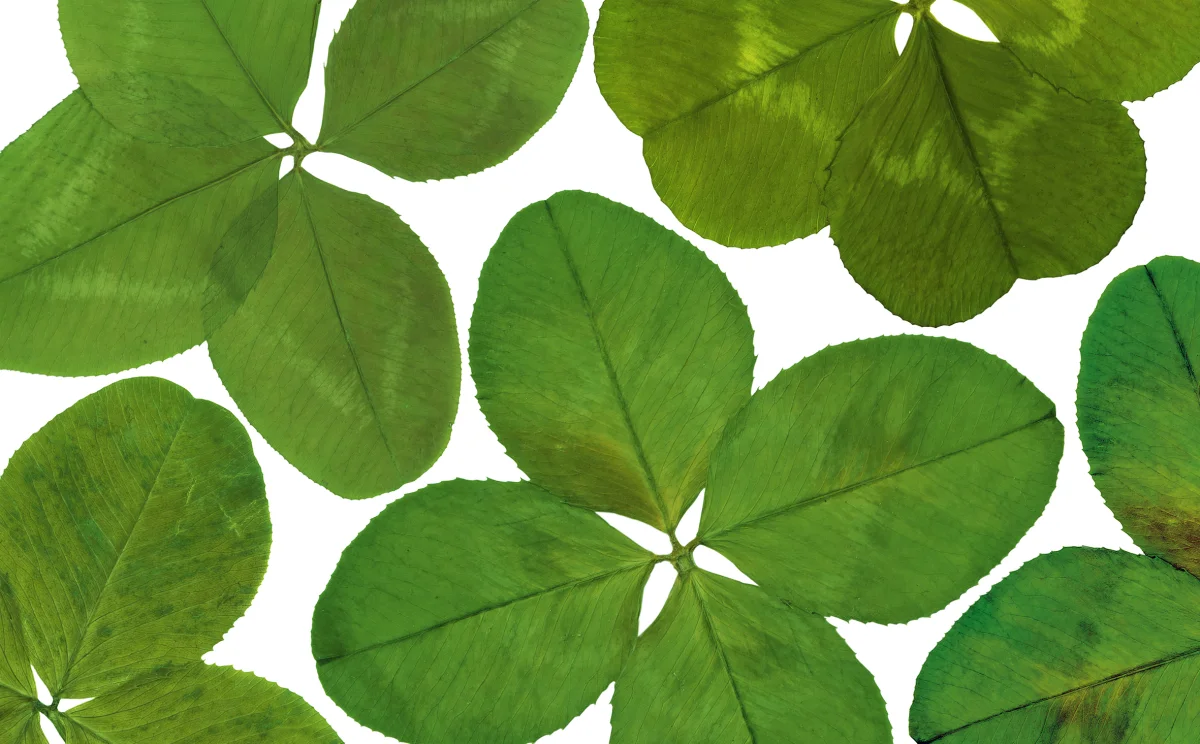
Le Rayon Vert, Warehouse, Teramo, 2010
The artist Sabine Delafon presents Le Rayon vert, a selection from the 'Quadri Fogli' series, drawn from a collection of 3,000 four-leaf clovers that Delafon began assembling in 1999. “An investigation,” Delafon remarked, “into rarity, the exception, superstition, and destiny.”
The green ray is a natural phenomenon that is barely perceptible to the naked eye. It can be understood as a momentary revelation, a sign that, within Delafon’s artistic vision, expresses a constant relationship between a visible, physical dimension and a more abstract, metaphysical one.
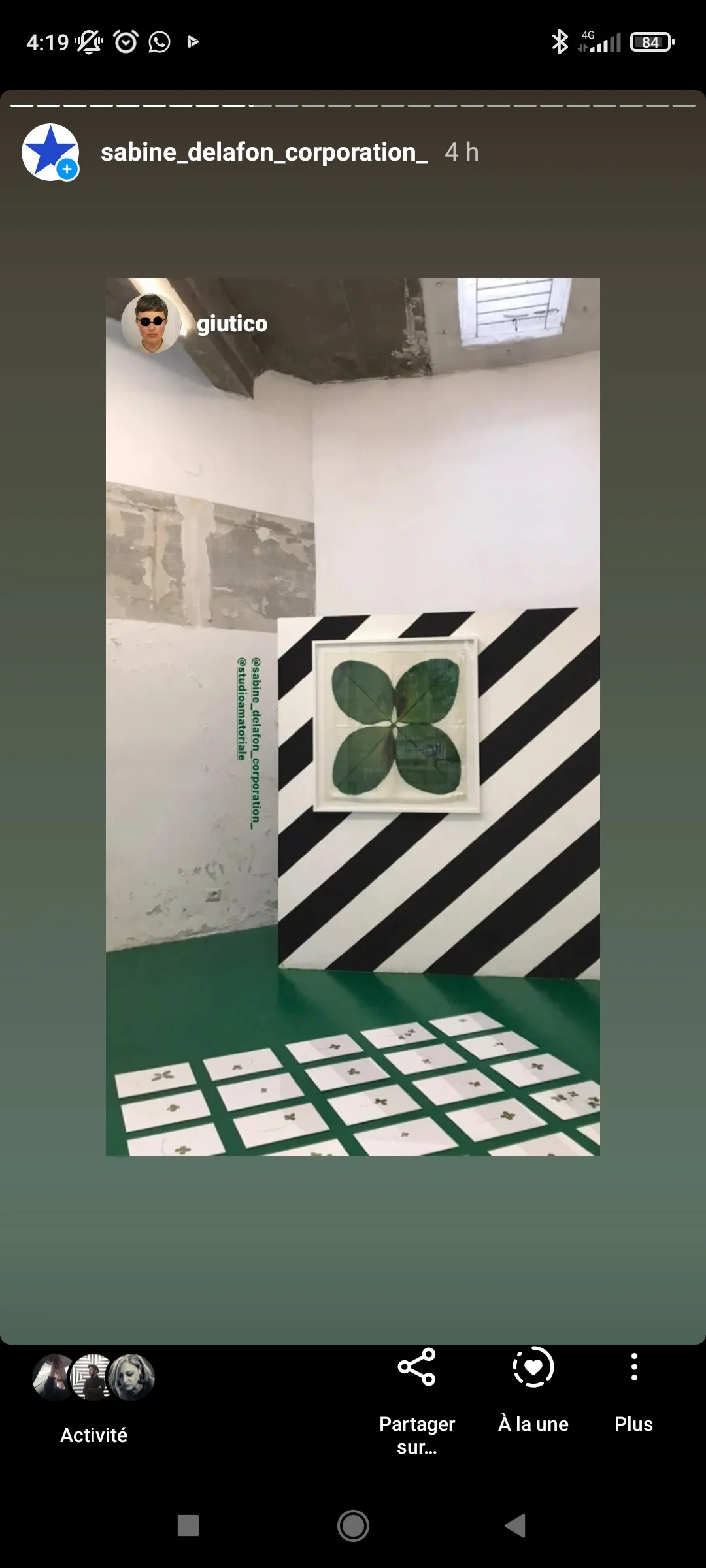
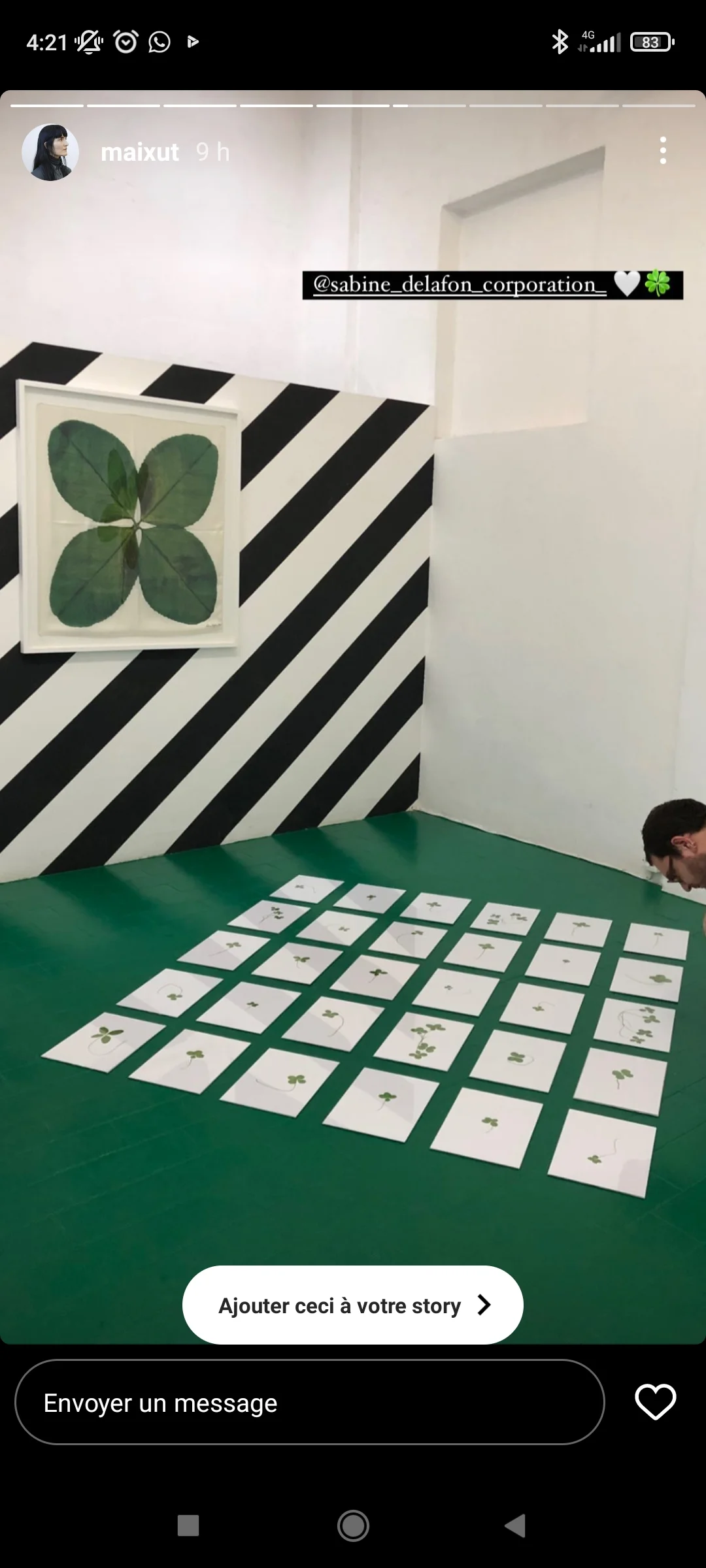
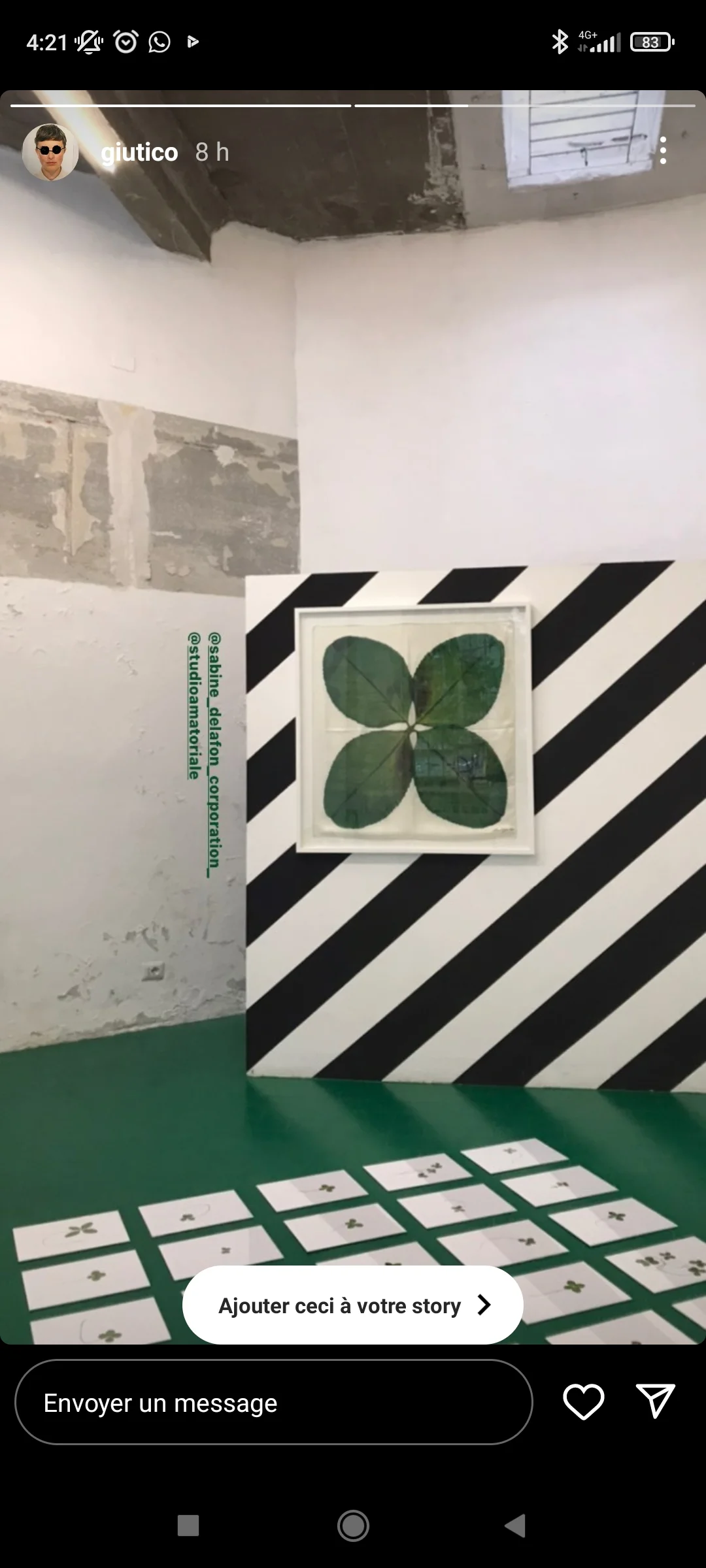
The green ray created by Sabine Delafon is, in fact, an imaginary one, more mental than real. It consists of a series of twenty four-leaf clovers (40 × 32 cm), printed and mounted on aluminium beneath Plexiglas, arranged side by side to form a green horizon composed of numerous good-luck icons.
In Delafon’s work, the sacred and the profane, the real and the plausible, coexist and sometimes intermingle, blurring into one another. Her artistic research is characterised by its position in a liminal zone, a place of transition that lends her works a fragile, incorporeal quality.
Sabine Delafon’s Le Rayon vert is thus a mirage made tangible: a green ray of good luck and good fortune.
Francesca Referza, 2010
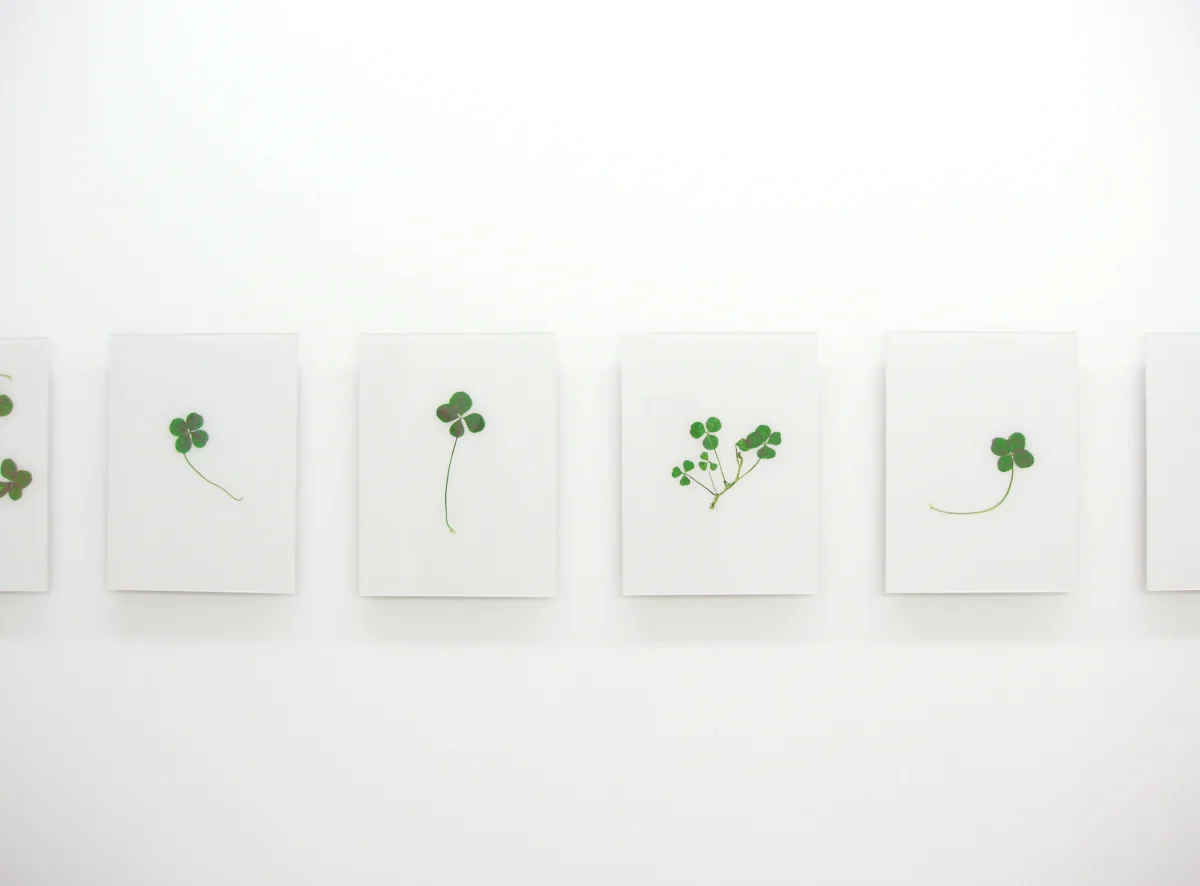
Twenty-one prints of four-leaf clovers cast doubt on their actual presence, presenting images that appear more real than reality itself. They are part of a collection the artist began in 1999, which now comprises 3,000 four-leaf clovers, each differing in size and shape, yet all instantly recognisable for their well-known associations with good luck.
“A green ray, but a marvellous green, a green that no painter could achieve on their palette, a green whose hue nature has never reproduced, neither in the variety of its vegetation nor in the colour of the clearest sea!” This is how Jules Verne described the optical phenomenon that, if one is fortunate, can be seen for just a few fleeting moments on summer evenings at sunset.
“This final ray is as delicate as a fairy tale; whoever sees it will be able to read their own feelings and those of others,” echoes Rohmer. Whether or not these are the associations Sabine Delafon’s work seeks to evoke, it is indeed as delicate as a fairy tale, and the sight of this green horizon is undoubtedly a source of joy and wonder for the eyes.
Enza di Matteo, 2010
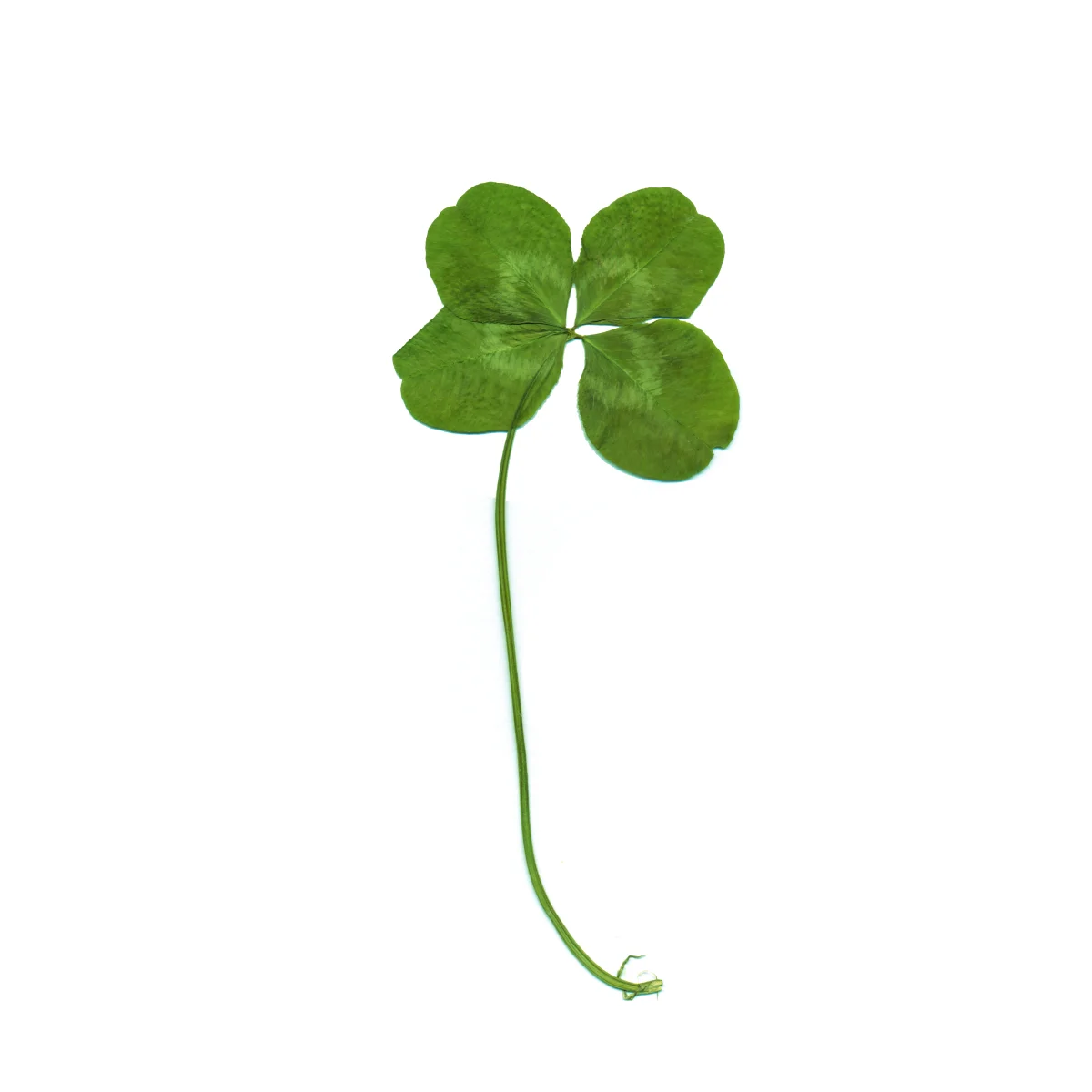
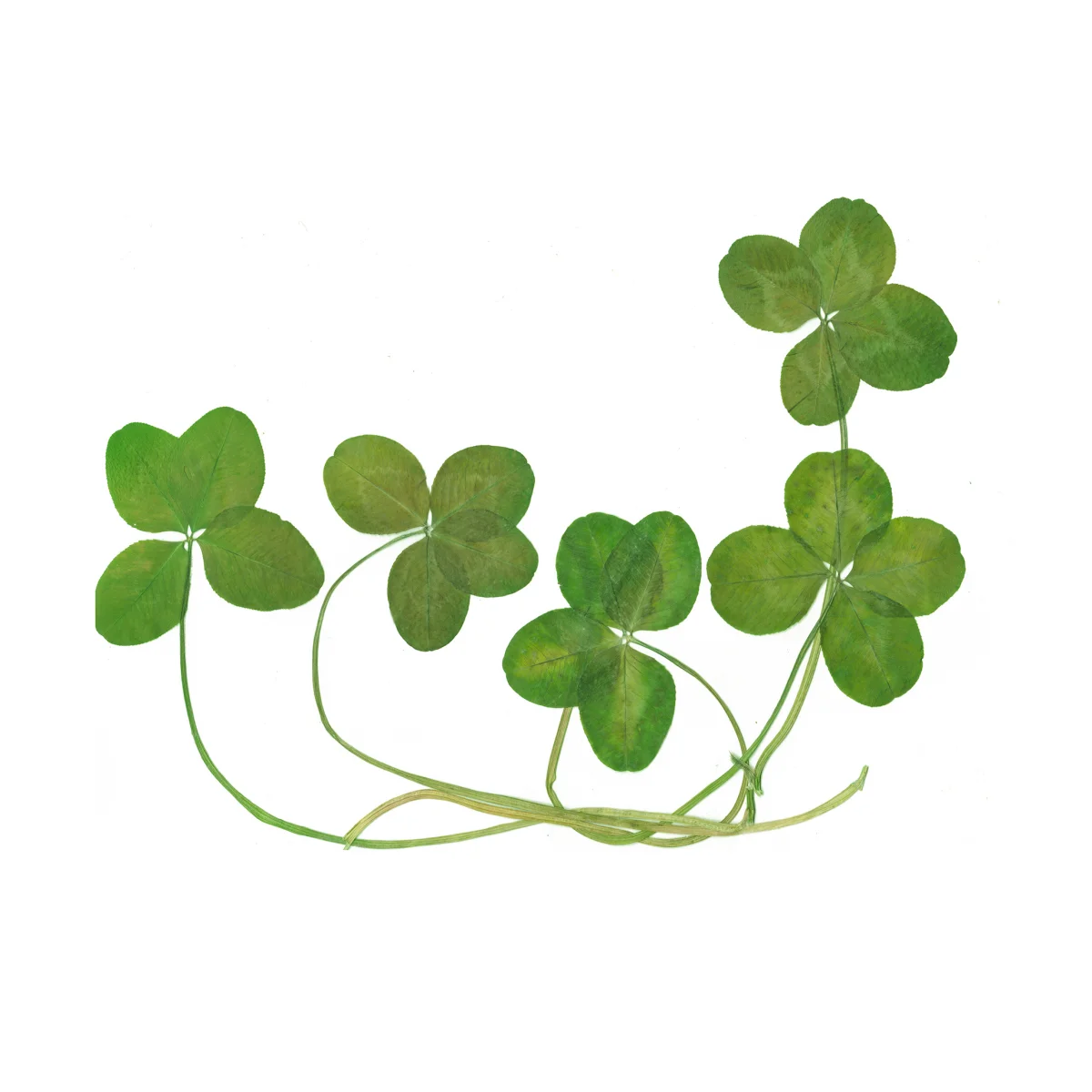
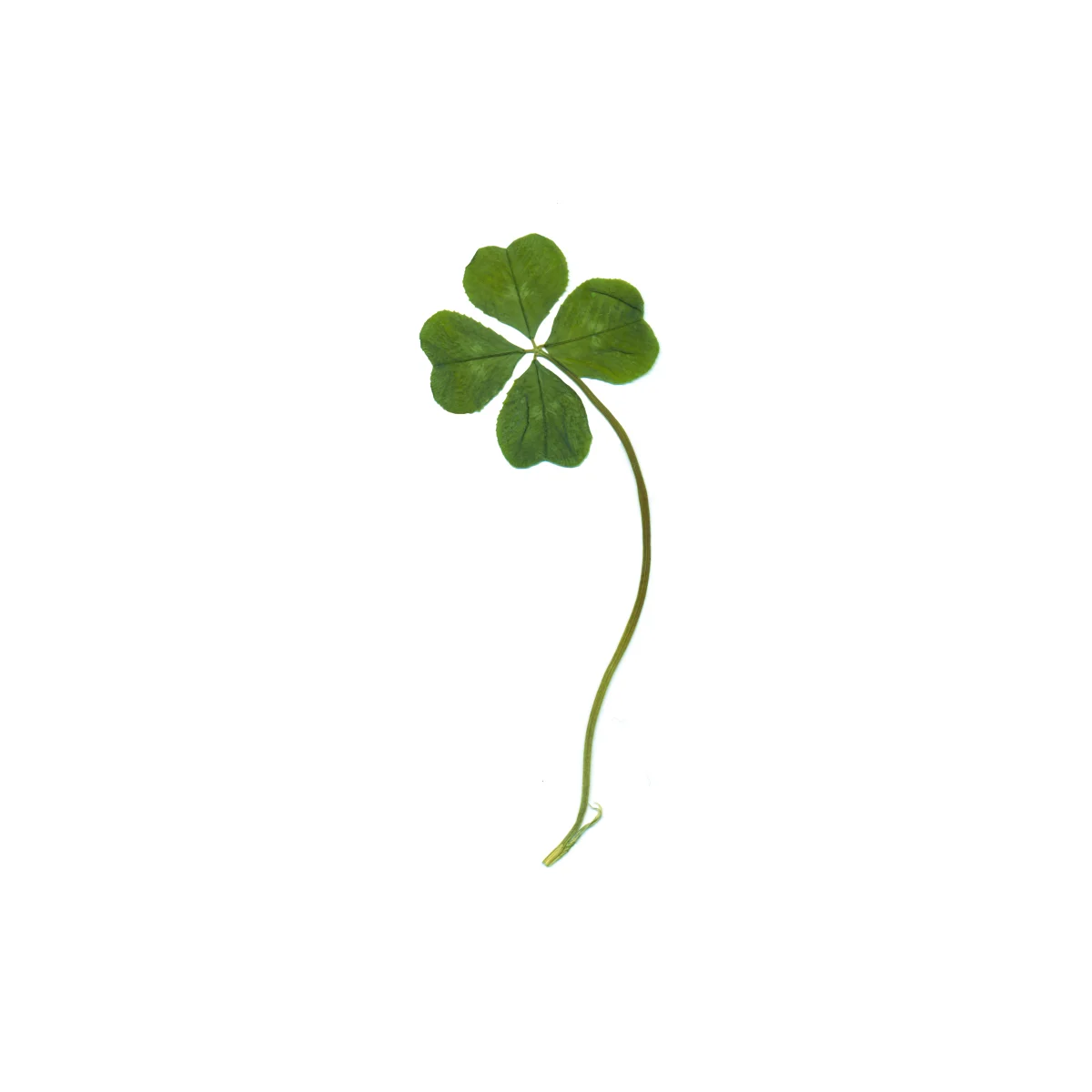
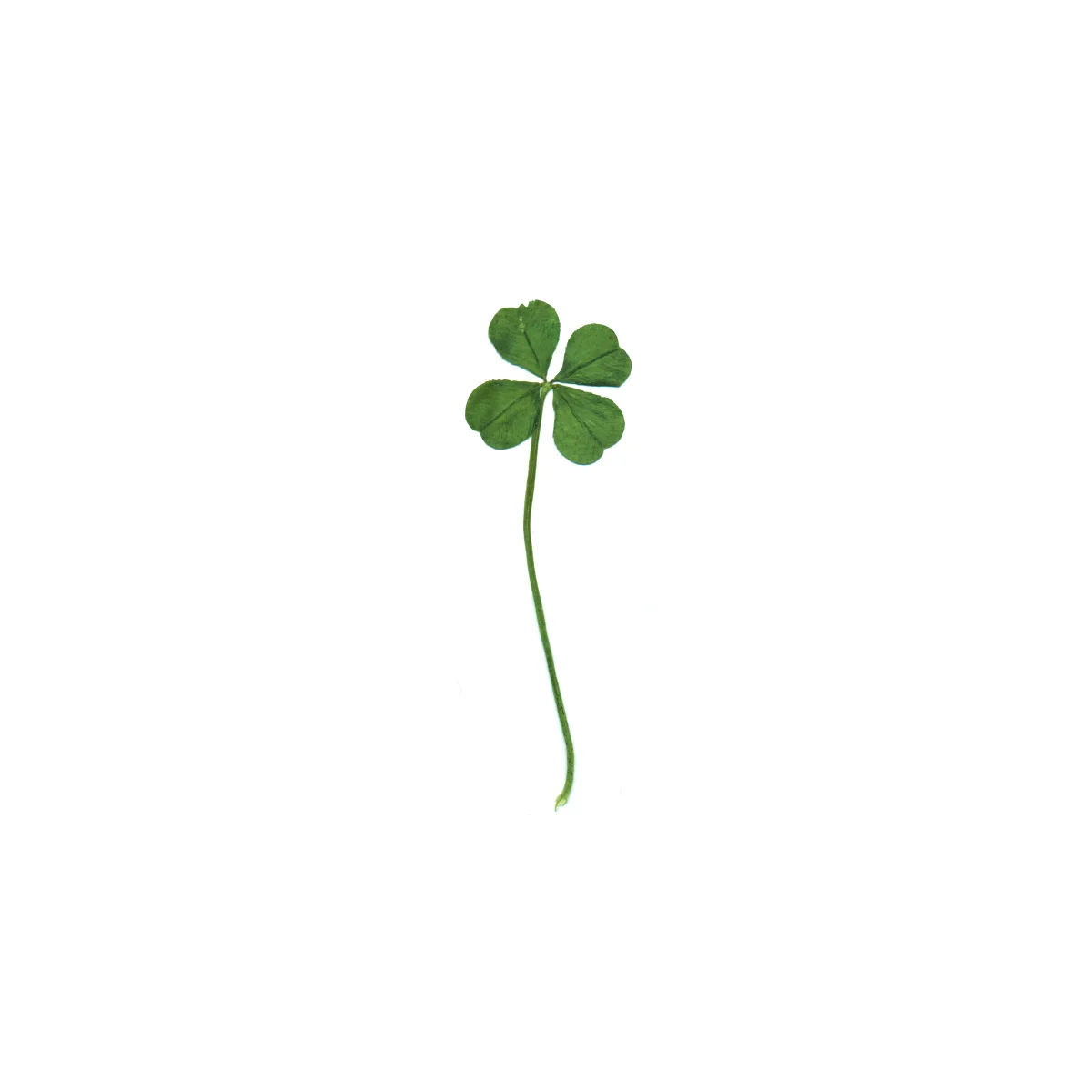
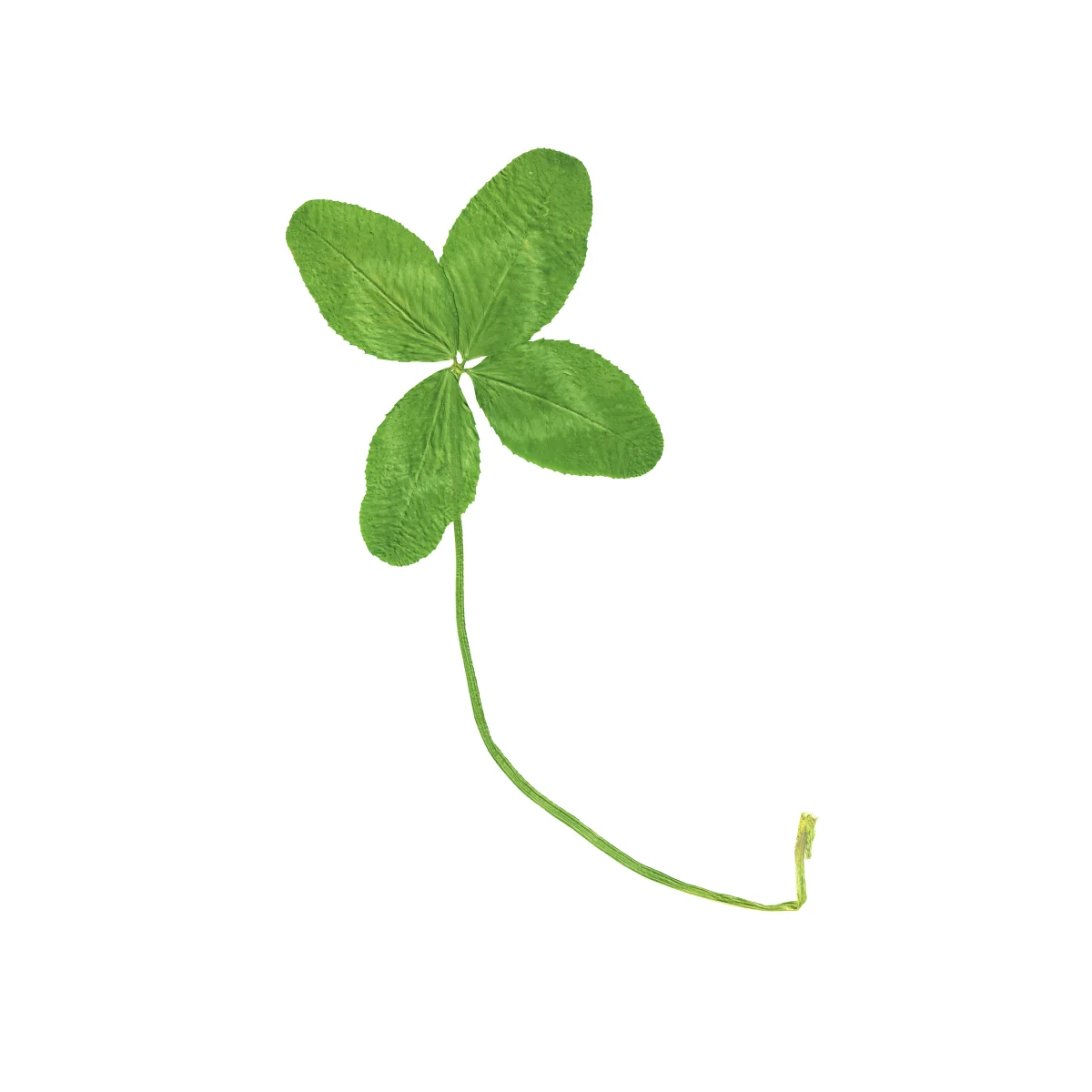
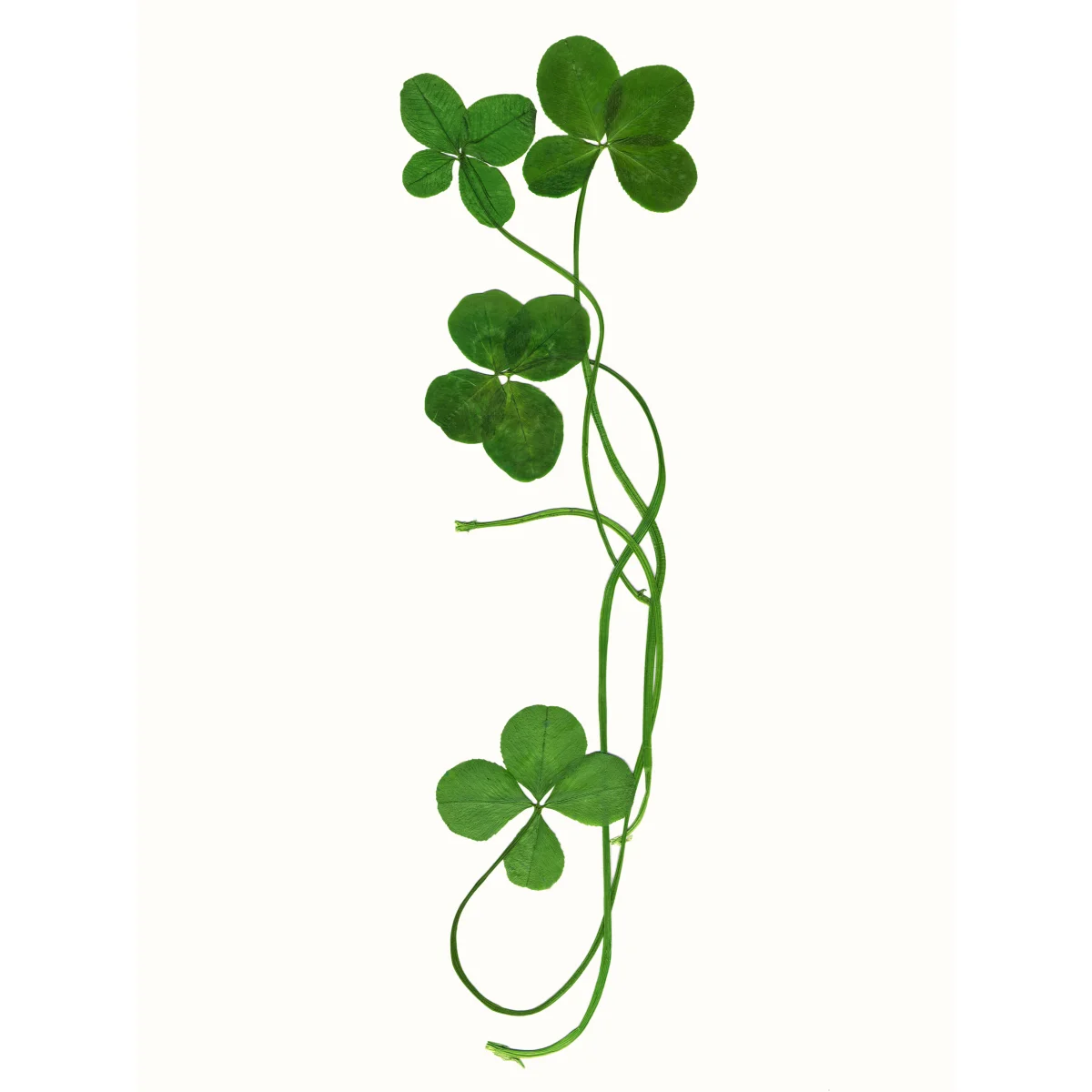
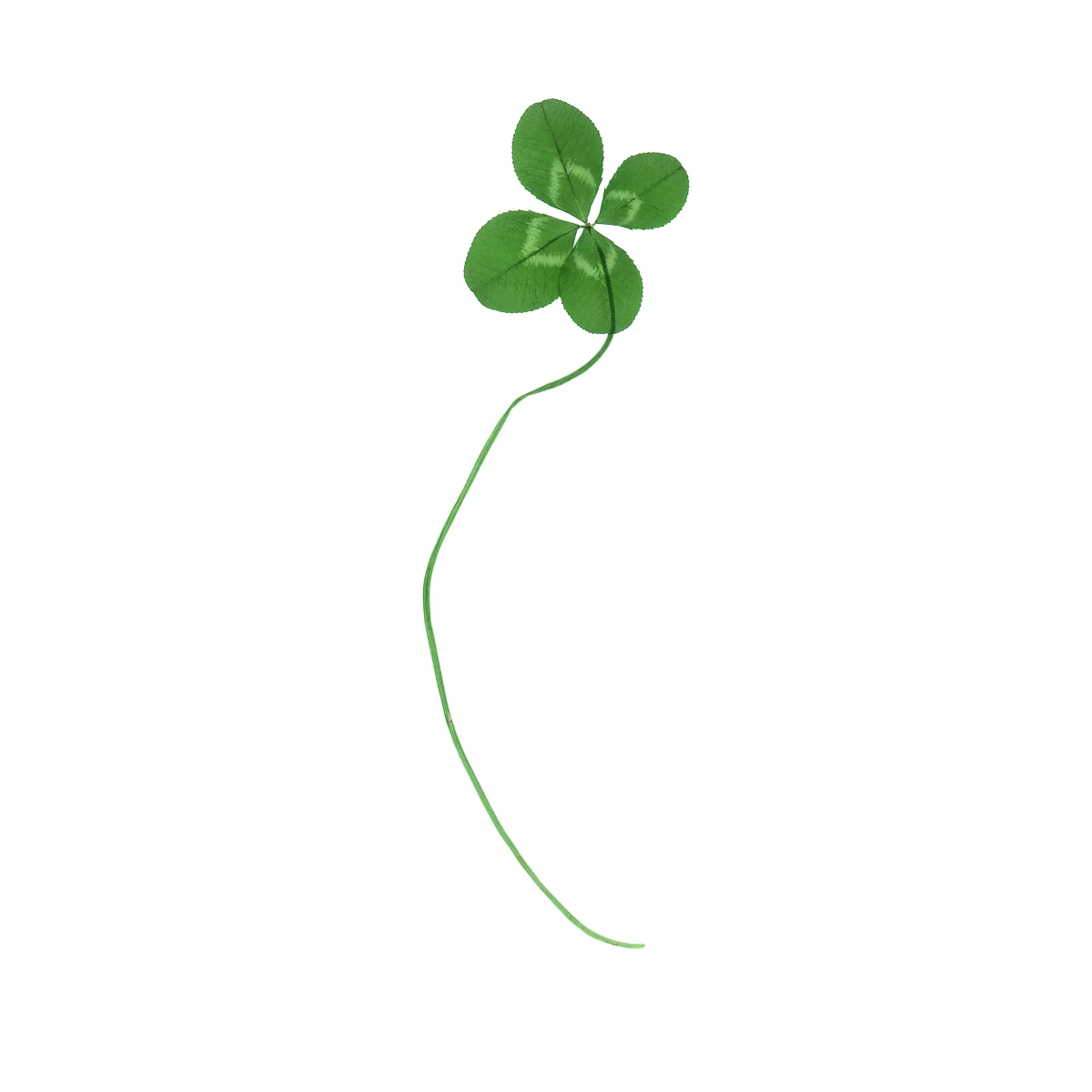
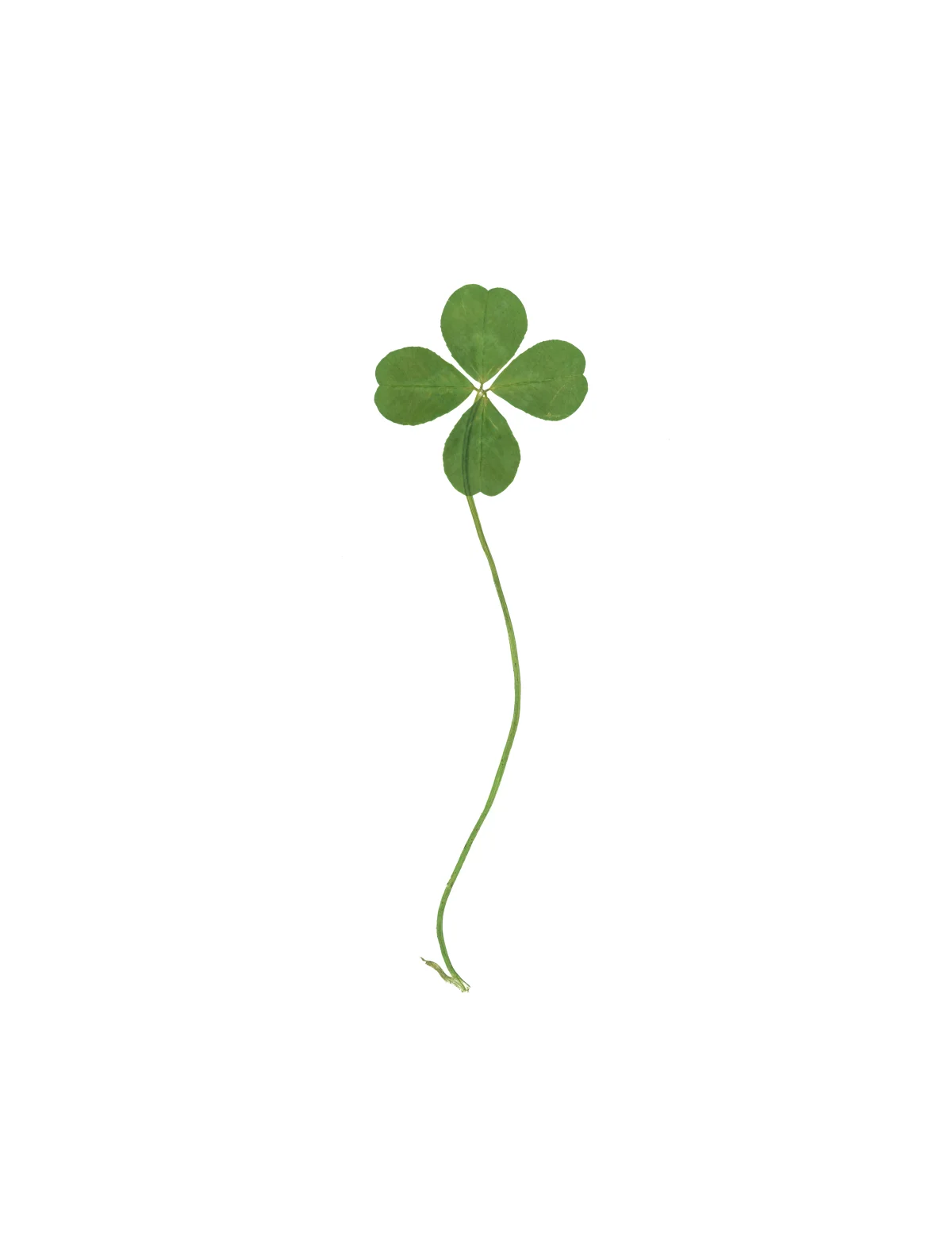
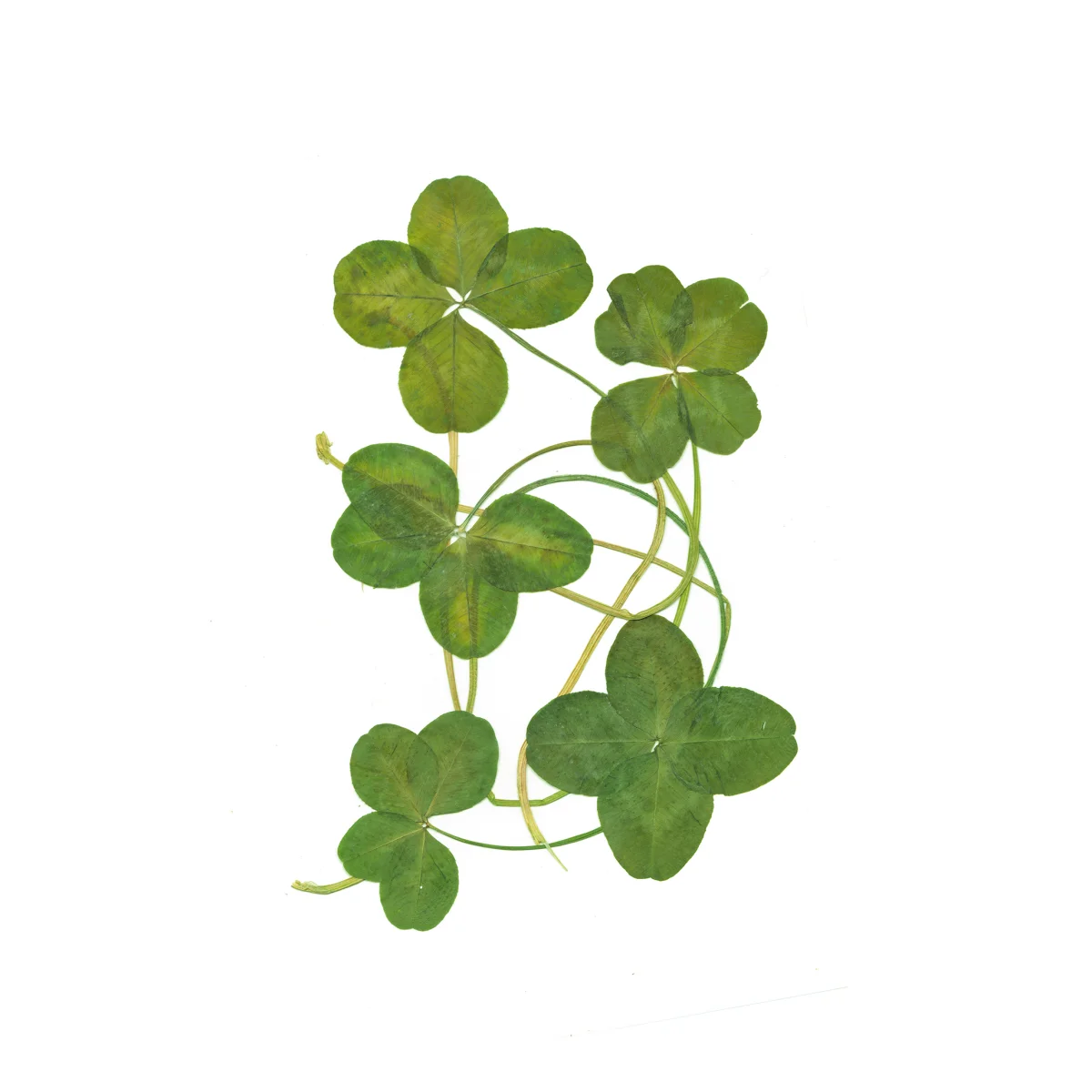
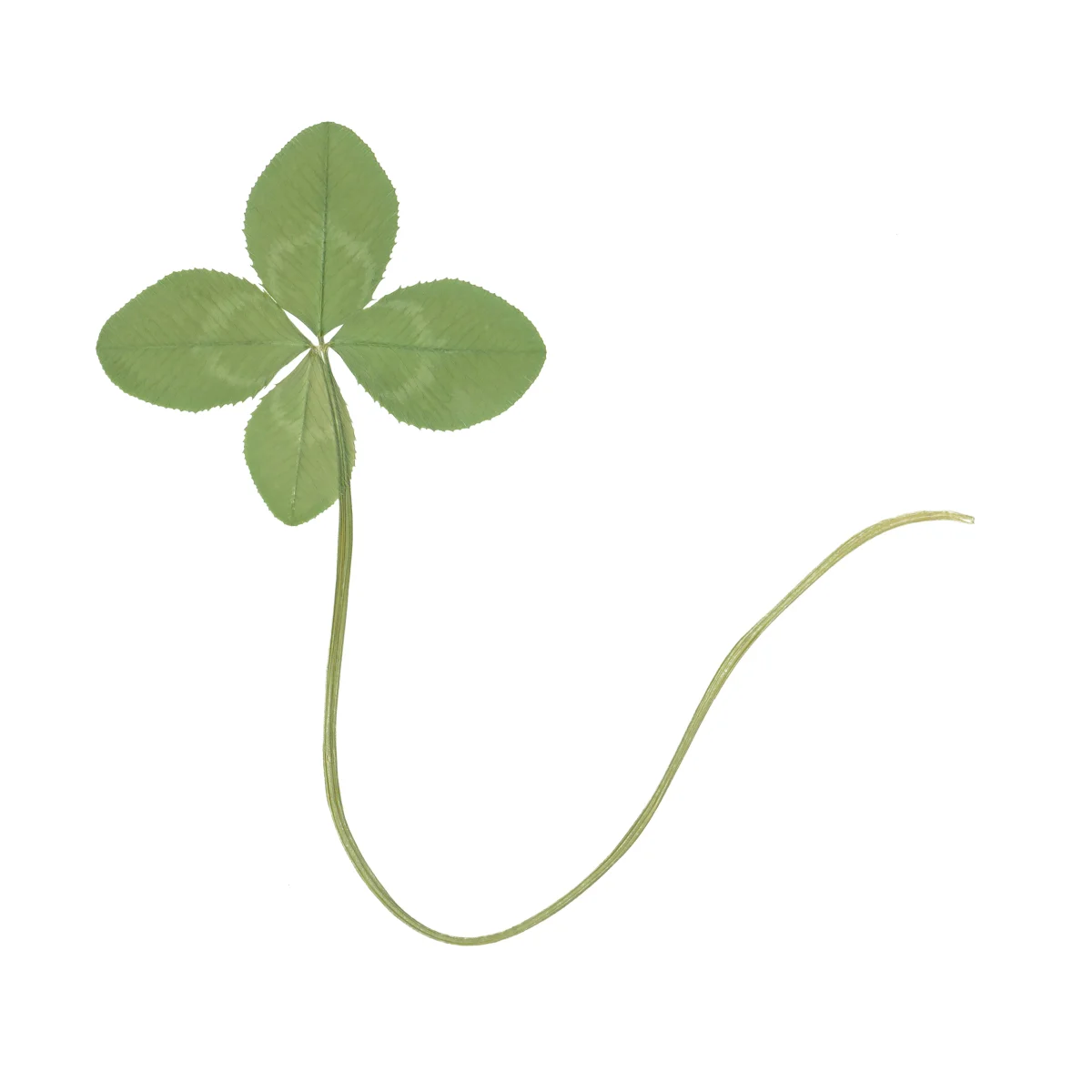
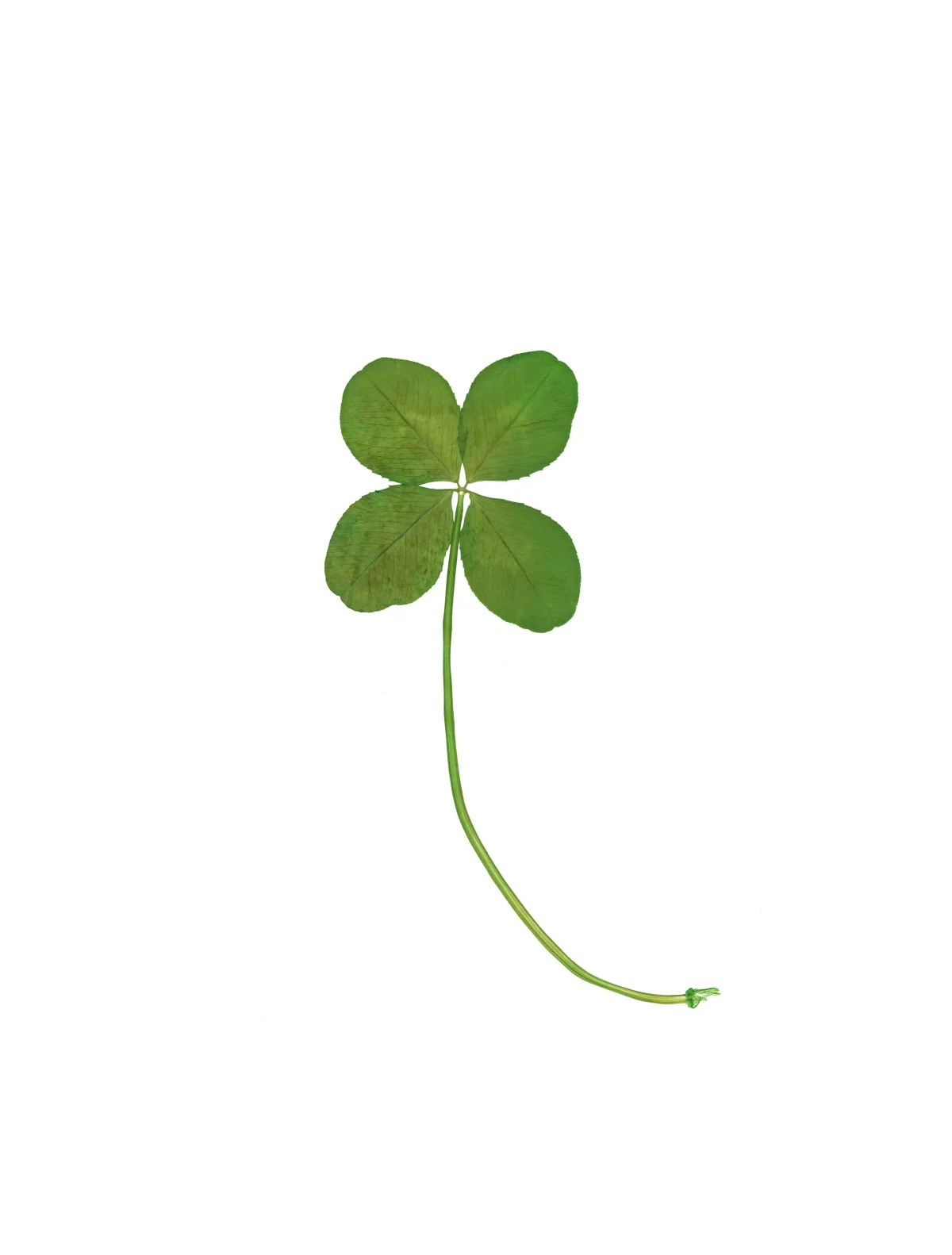
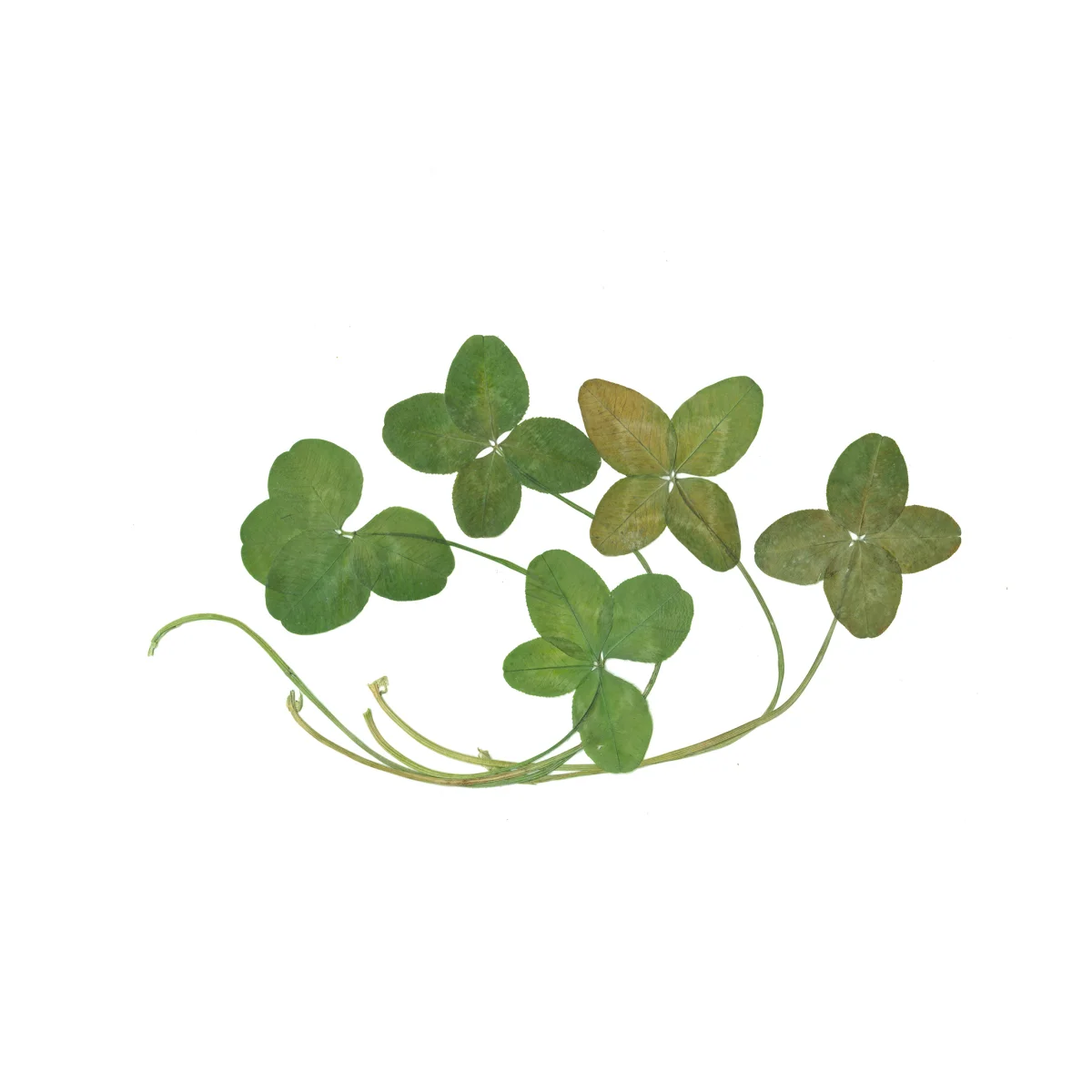
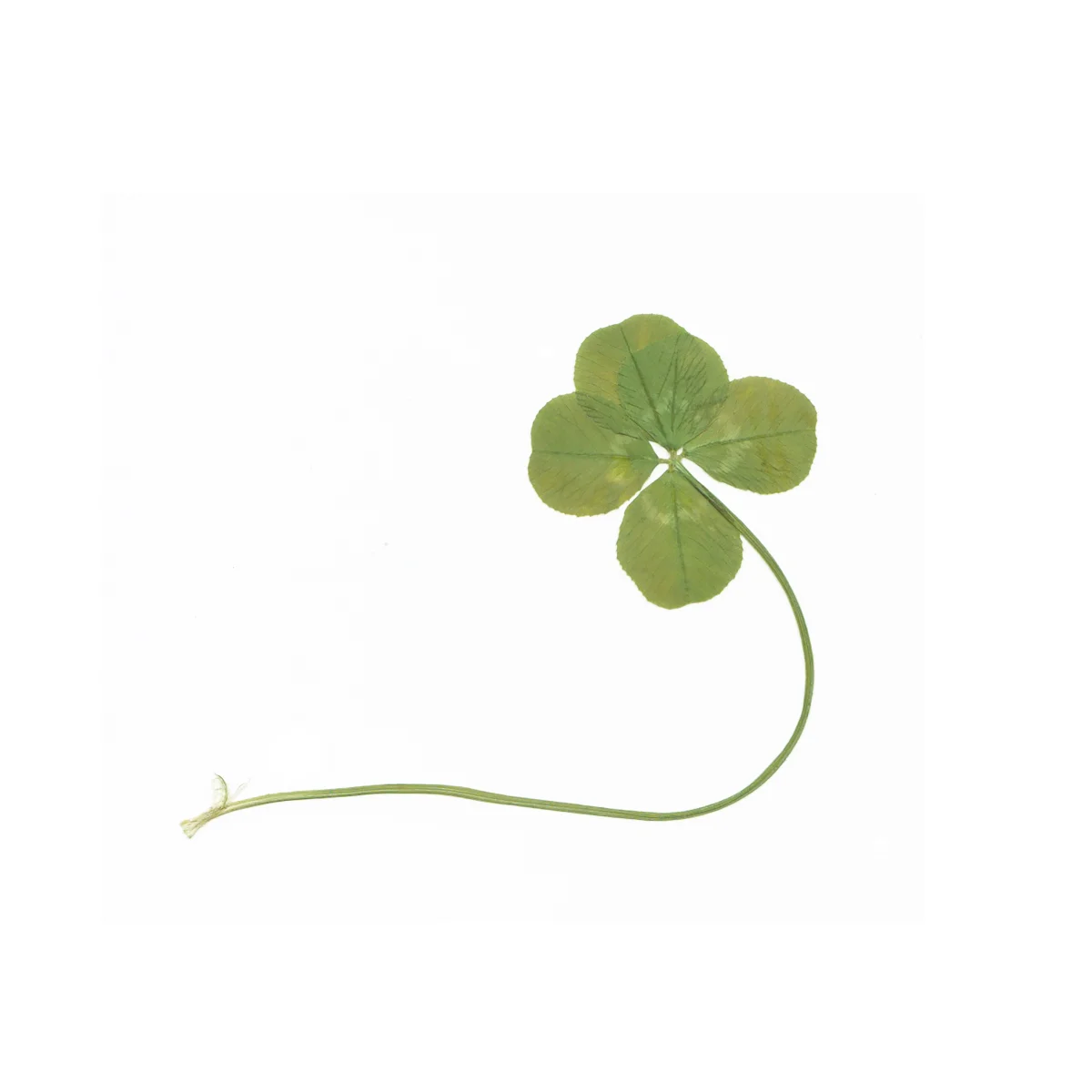
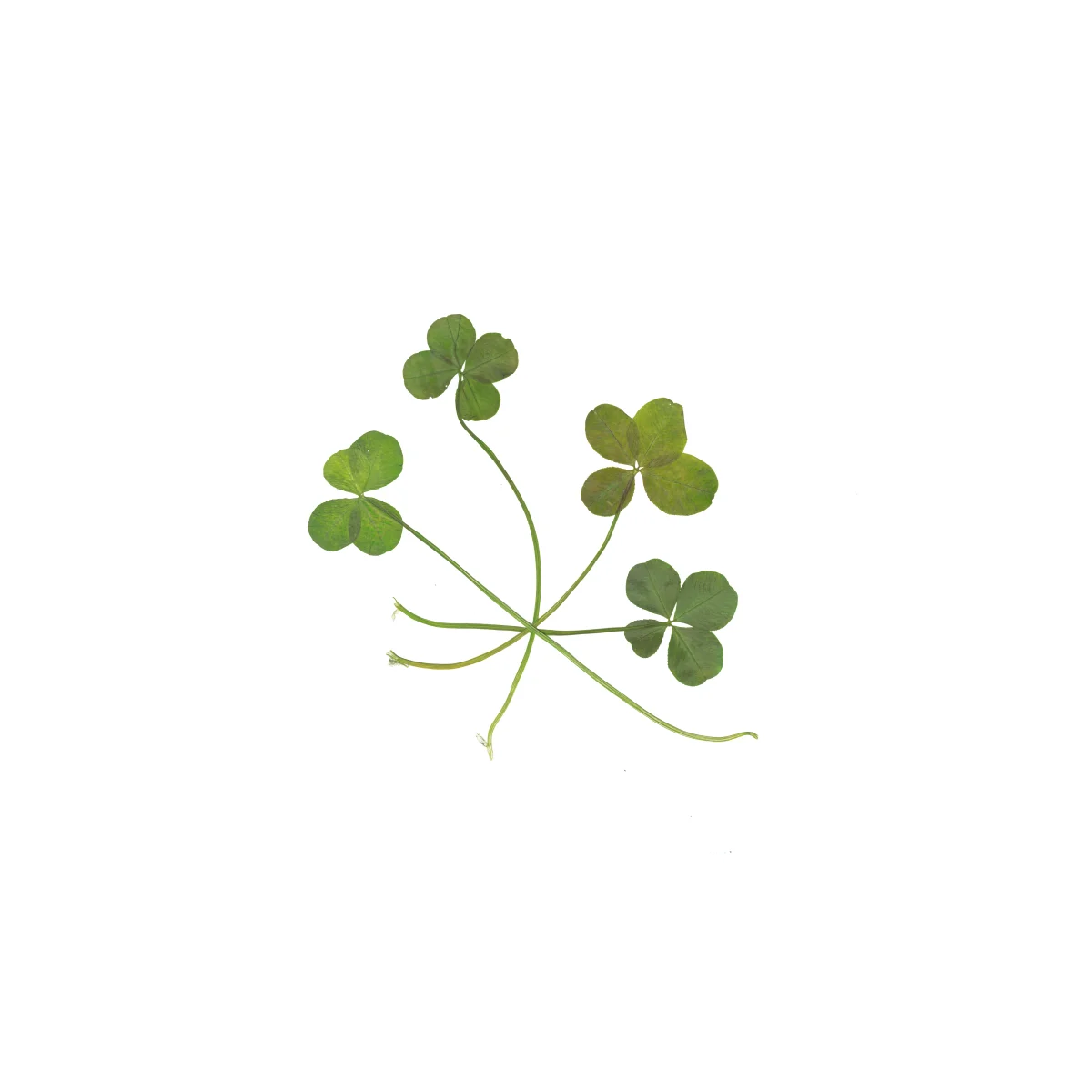
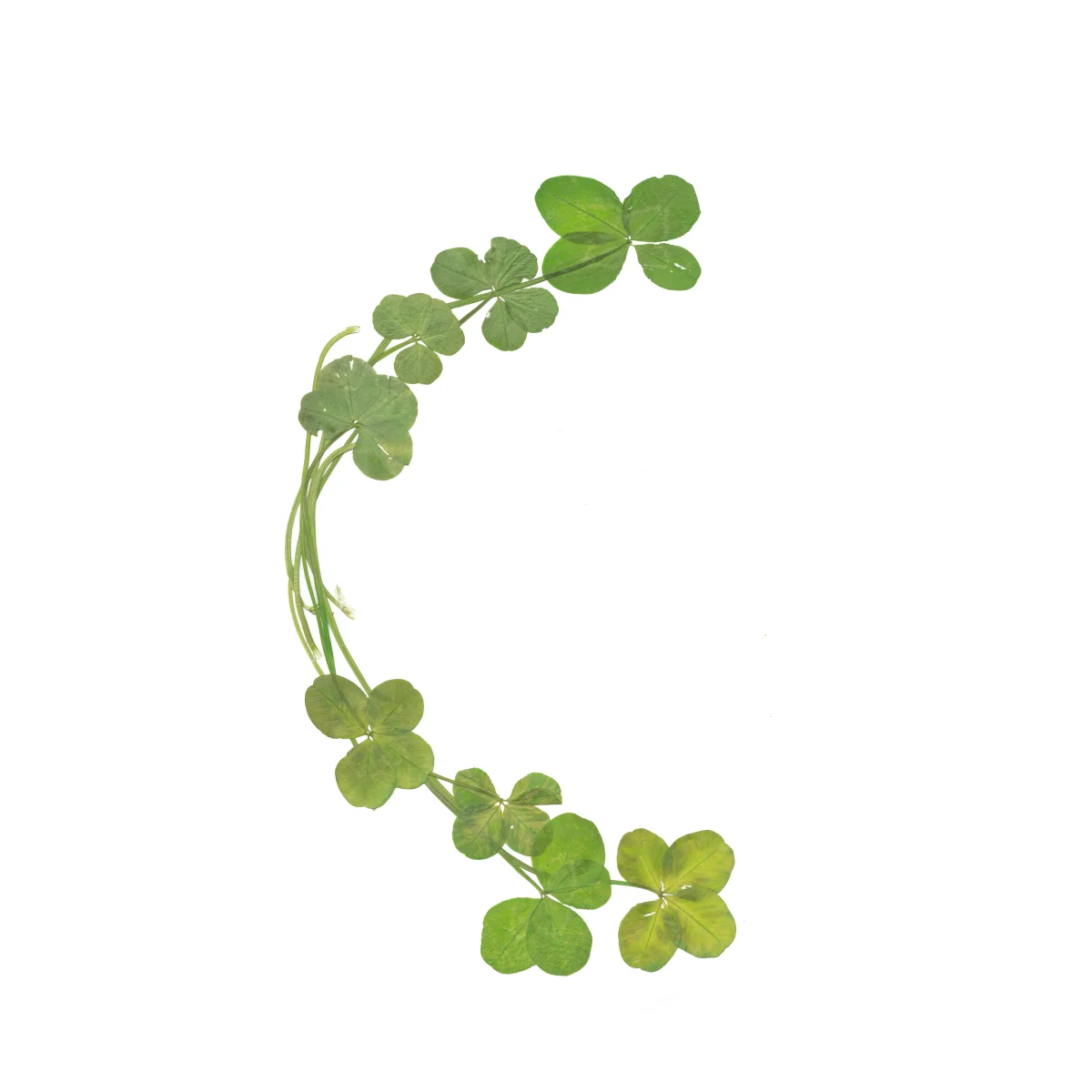
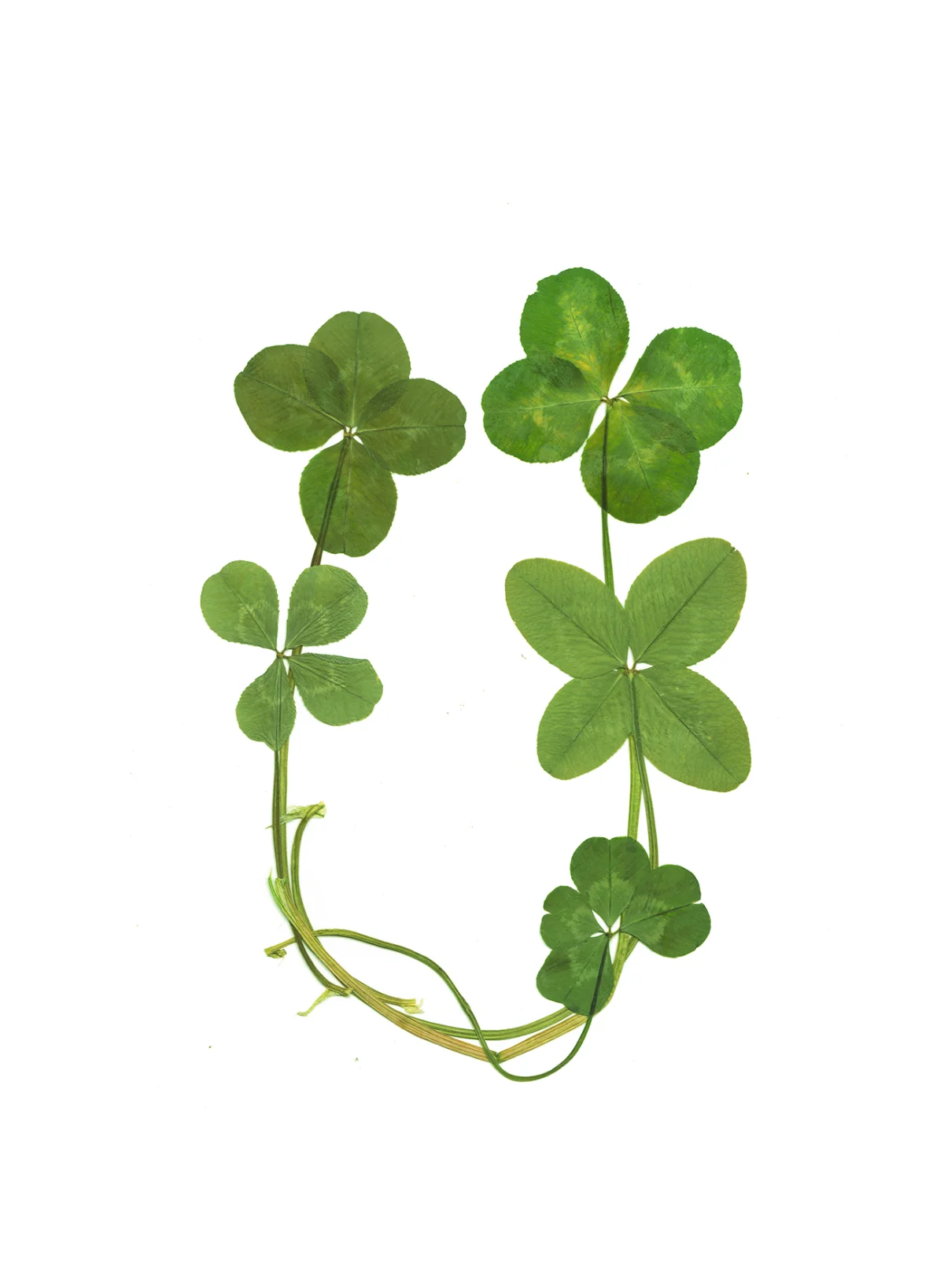
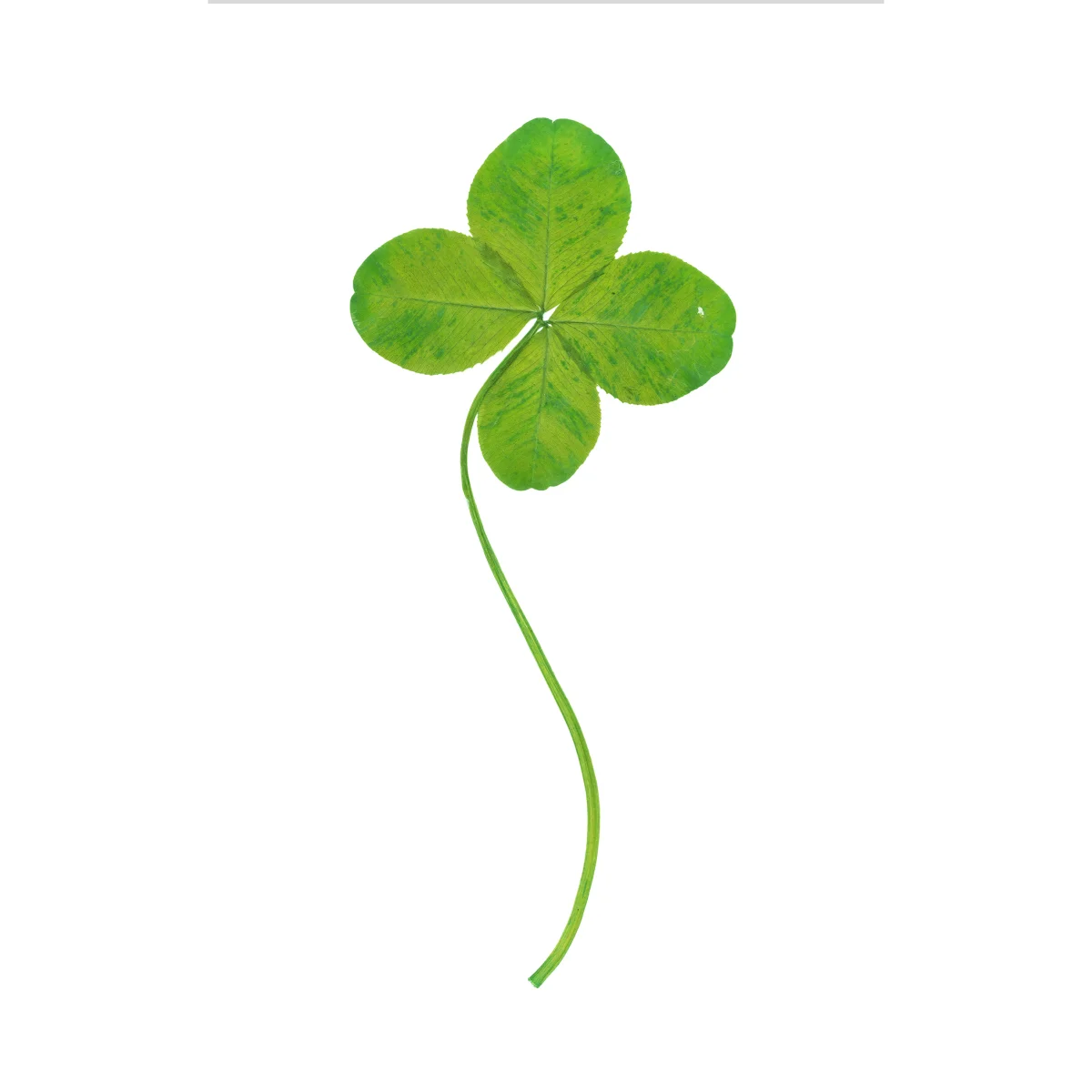

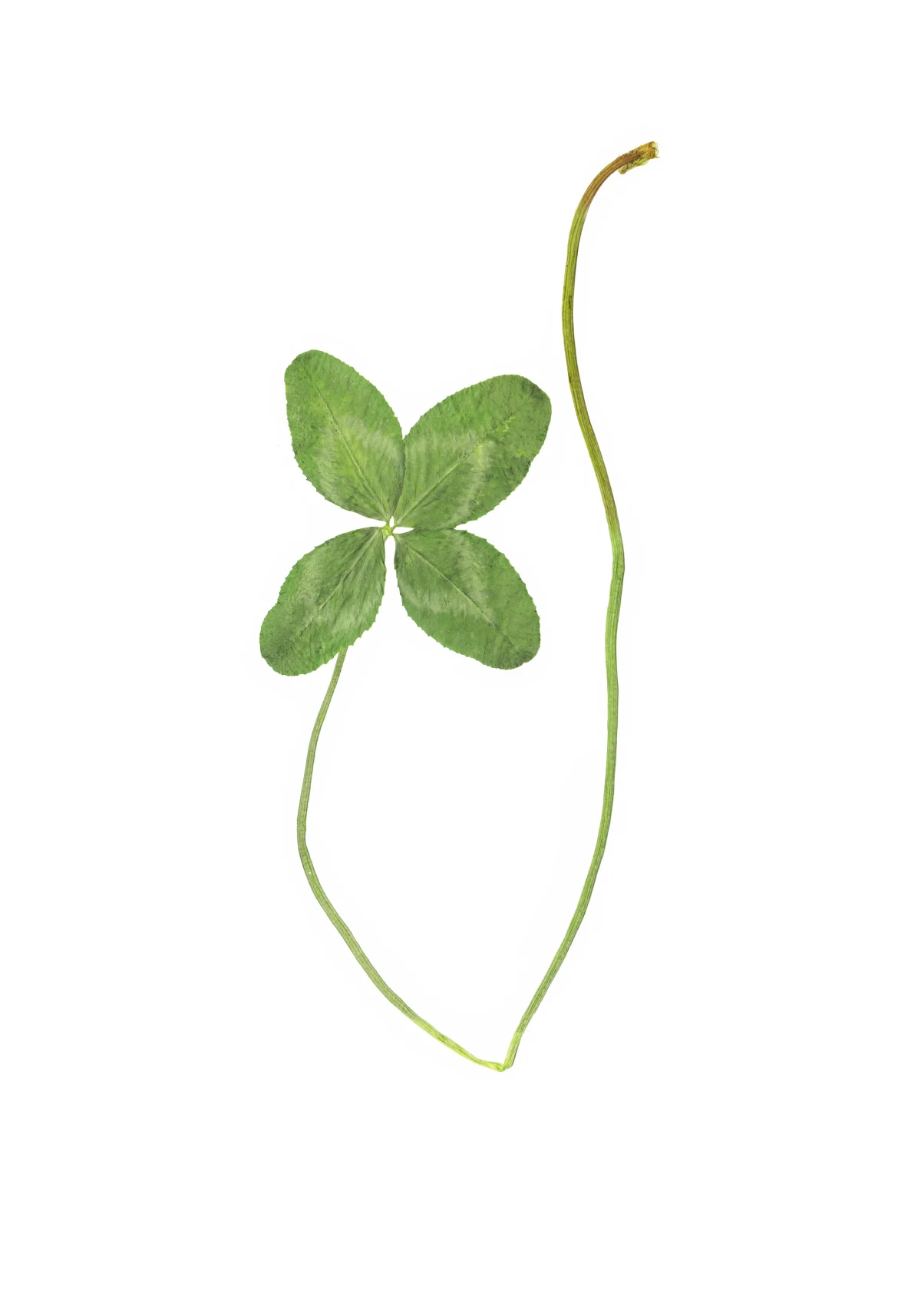
The four-leaf clover is a natural anomaly, a rarity. According to popular tradition, finding one brings good luck; receiving one is also considered a good omen. A thoughtful gesture, an unexpected gift, is a rarity too. A year ago, on 31 January 2007, Sabine Delafon sent an image of a four-leaf clover to friends and acquaintances, both art-world professionals and others, as a good-luck token for the New Year. Gathered and collected by the artist since 1999, the four-leaf clovers now number 3,000. Each is different, with its own distinctive characteristics; each is unique, just like the people who possess one—those who already have one and those who, from 21 January onwards, will be able to see them exhibited alongside Massimo Alba’s collection at 8 Via Corsico, Milan.
Francesca di Nardo, 2009
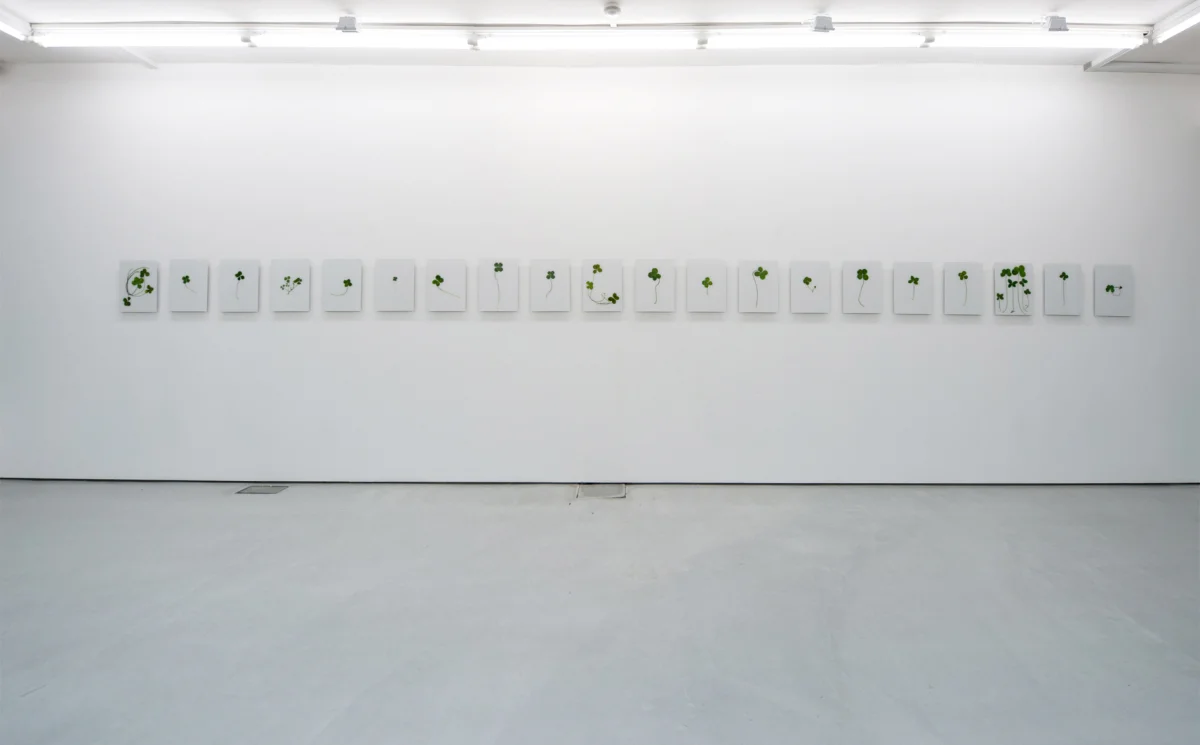
Luck and coincidence, superstition and rarity, error and destiny are the words chosen by Sabine Delafon to describe her work. The four-leaf clover is green. It's a common plant with a recessive gene or an environmental mutation. It has been since medieval times, when myth suggested it also had spiritual power. The photographs vividly recall the triumphant findings of these lucky charms in childhood. The joy of investigation and discovery.They standout like little green trophies preserved by a flower press so it might last forever and mesmerize by conjuring up images of leprechauns and fairies, delicate, fine and so difficult to find. Through their simplicity four-leaf clover represent the spontaneous complexity of nature and certain aspects of the human experience. It donates a message of lightness and hope in a time plagued by apocalyptical visions of the future and encourages us to reflect on the potency of nature.
Marcia Caines, 2009
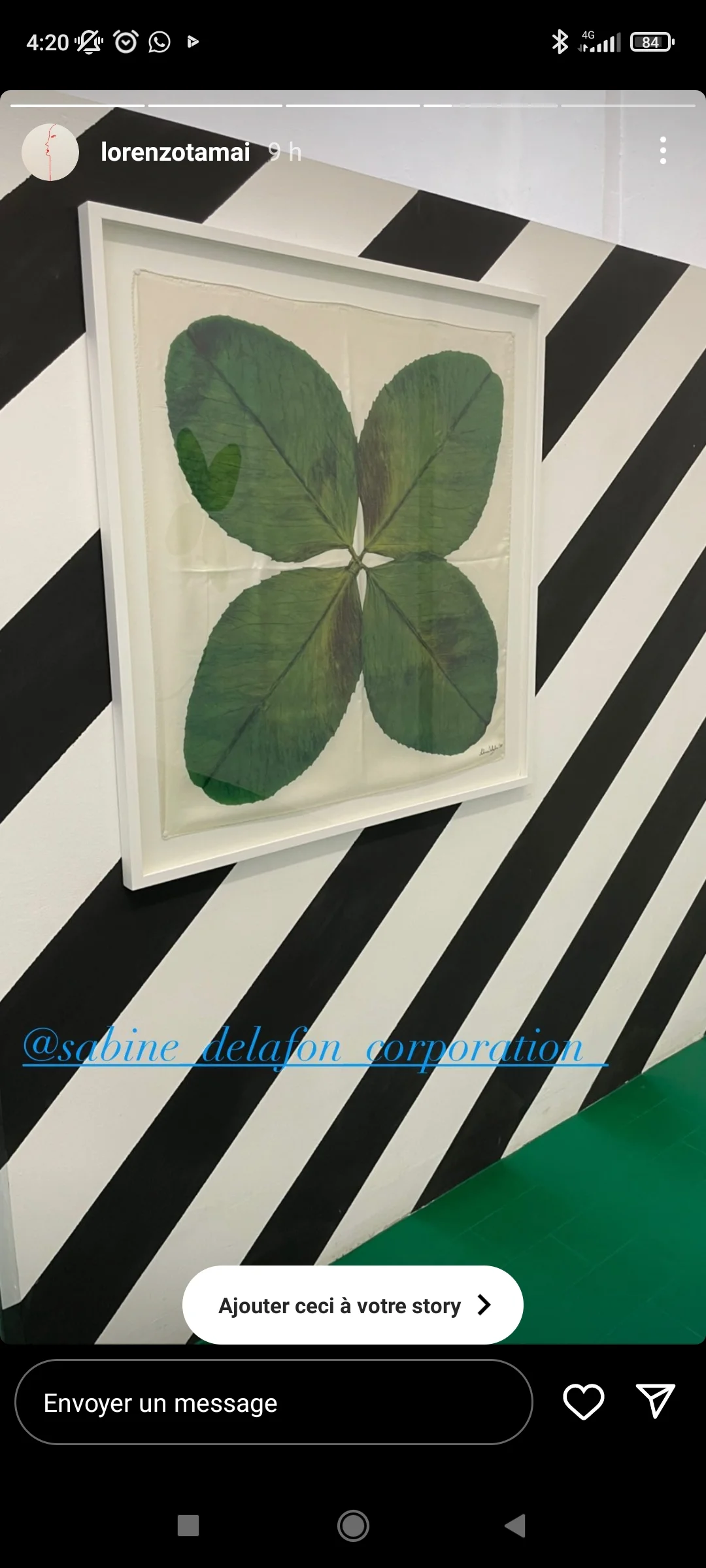
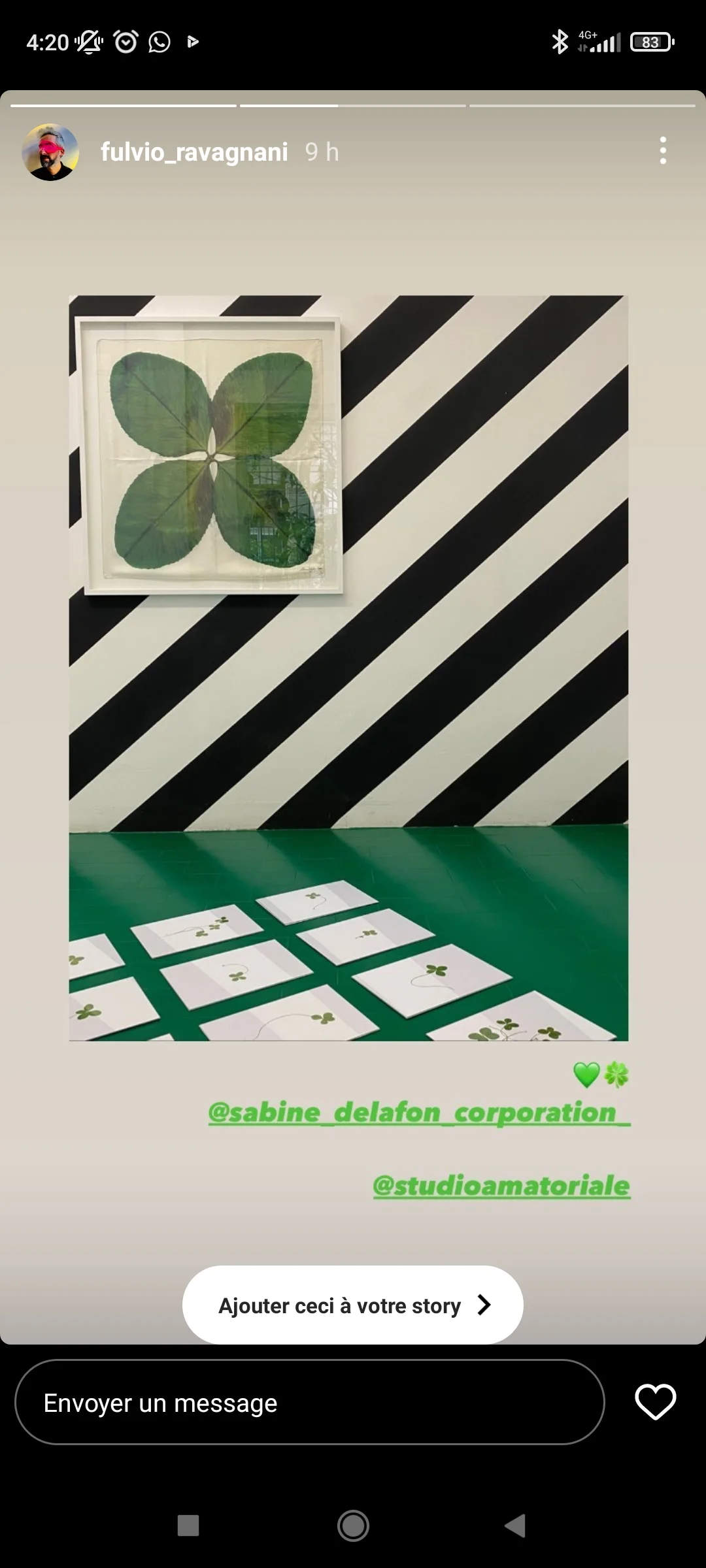
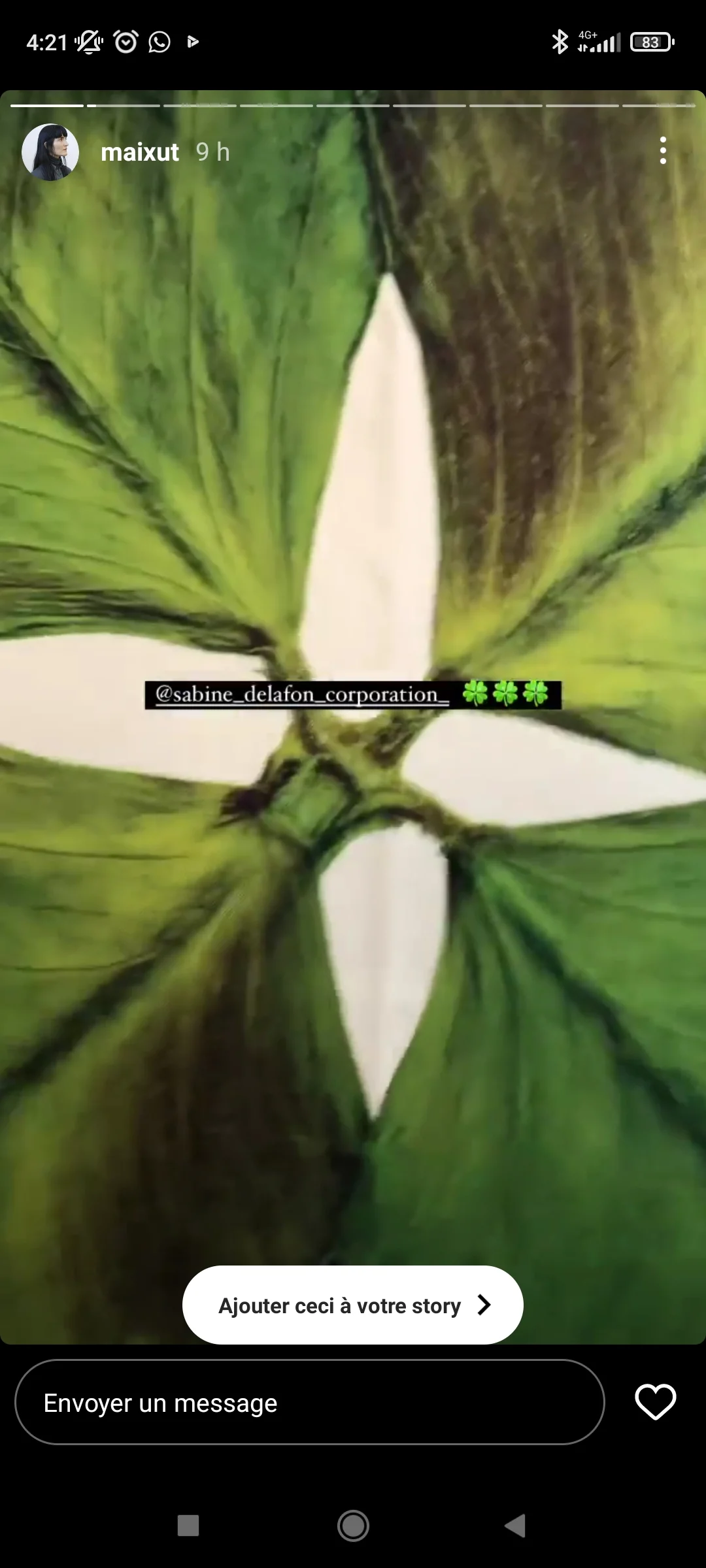
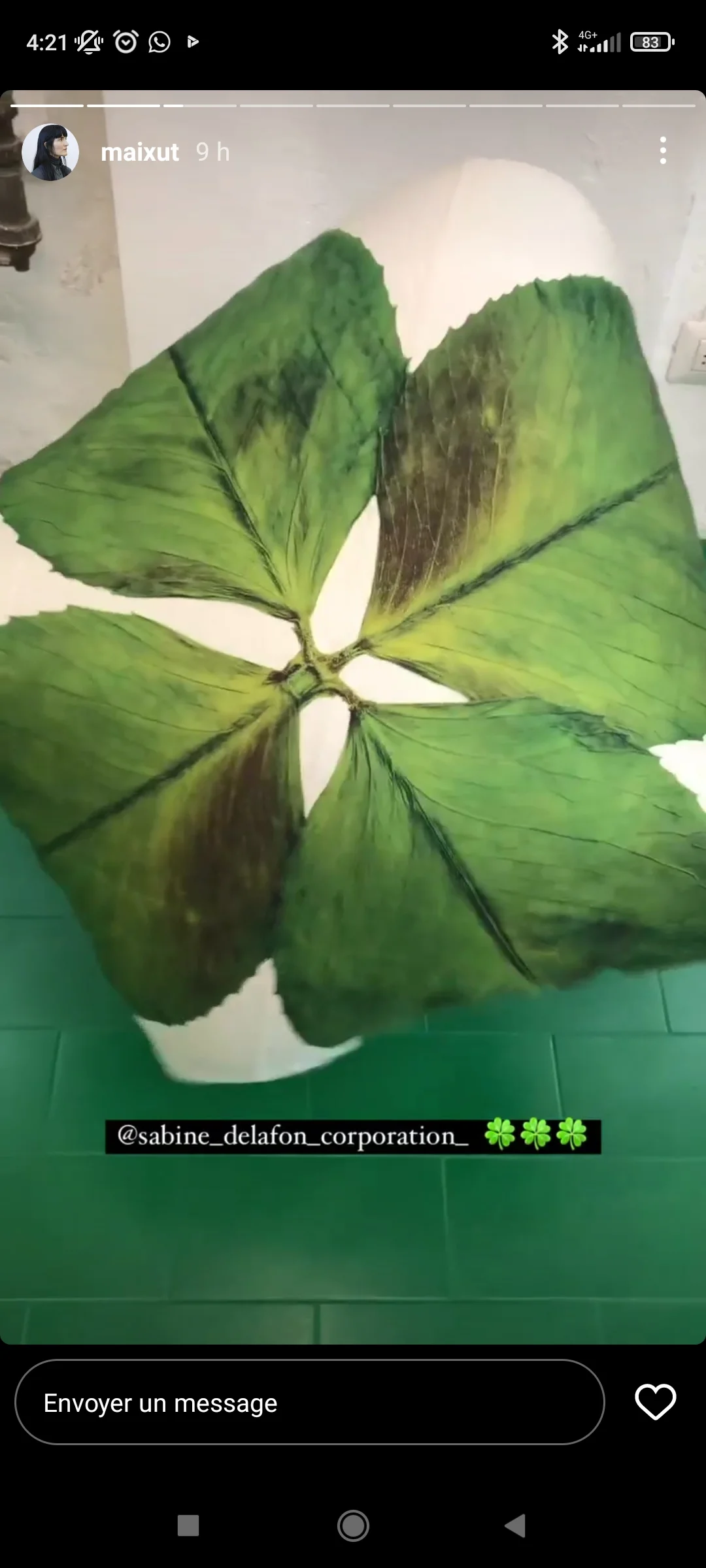
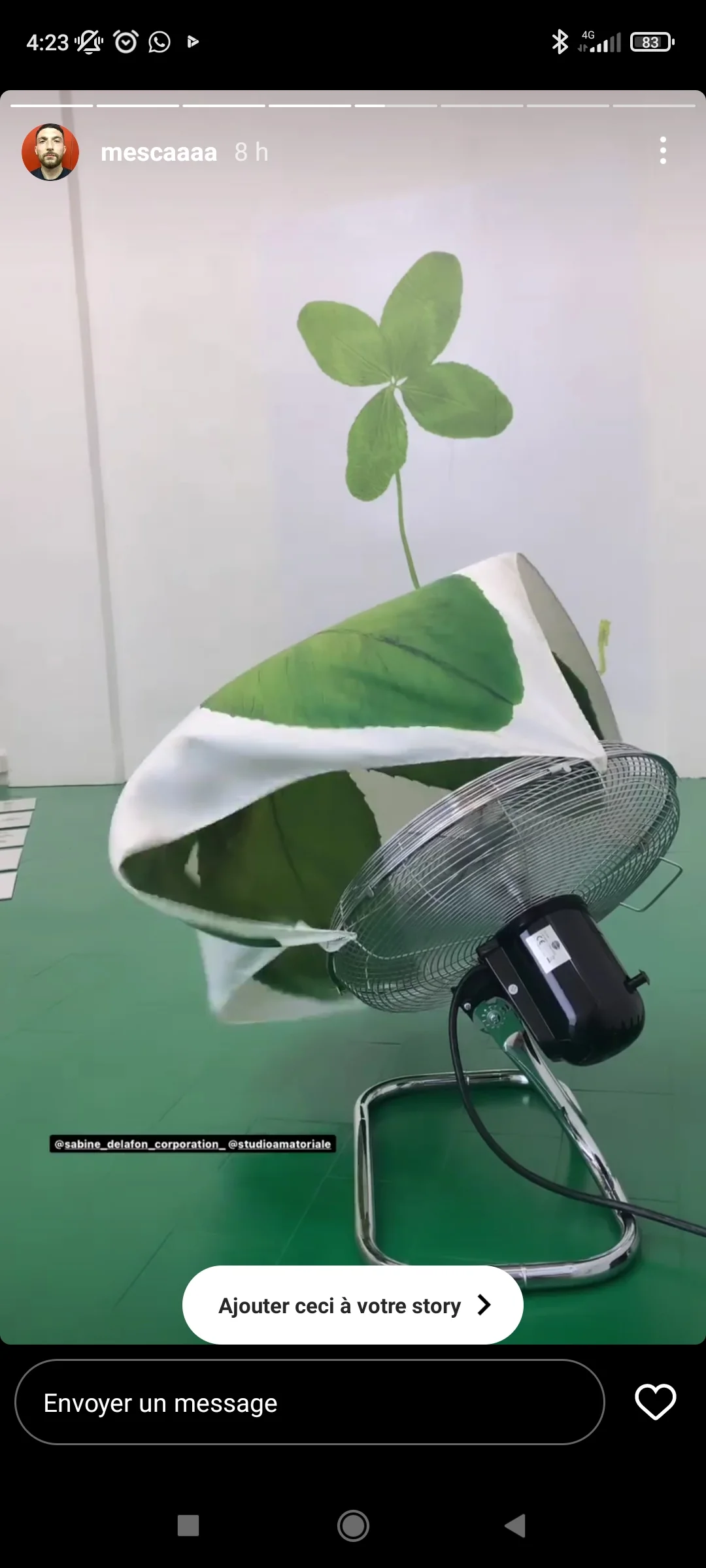
3000 Four-Leaf Clovers, Foulards, 2022
90 x 90 cm silk foulards edizione /10
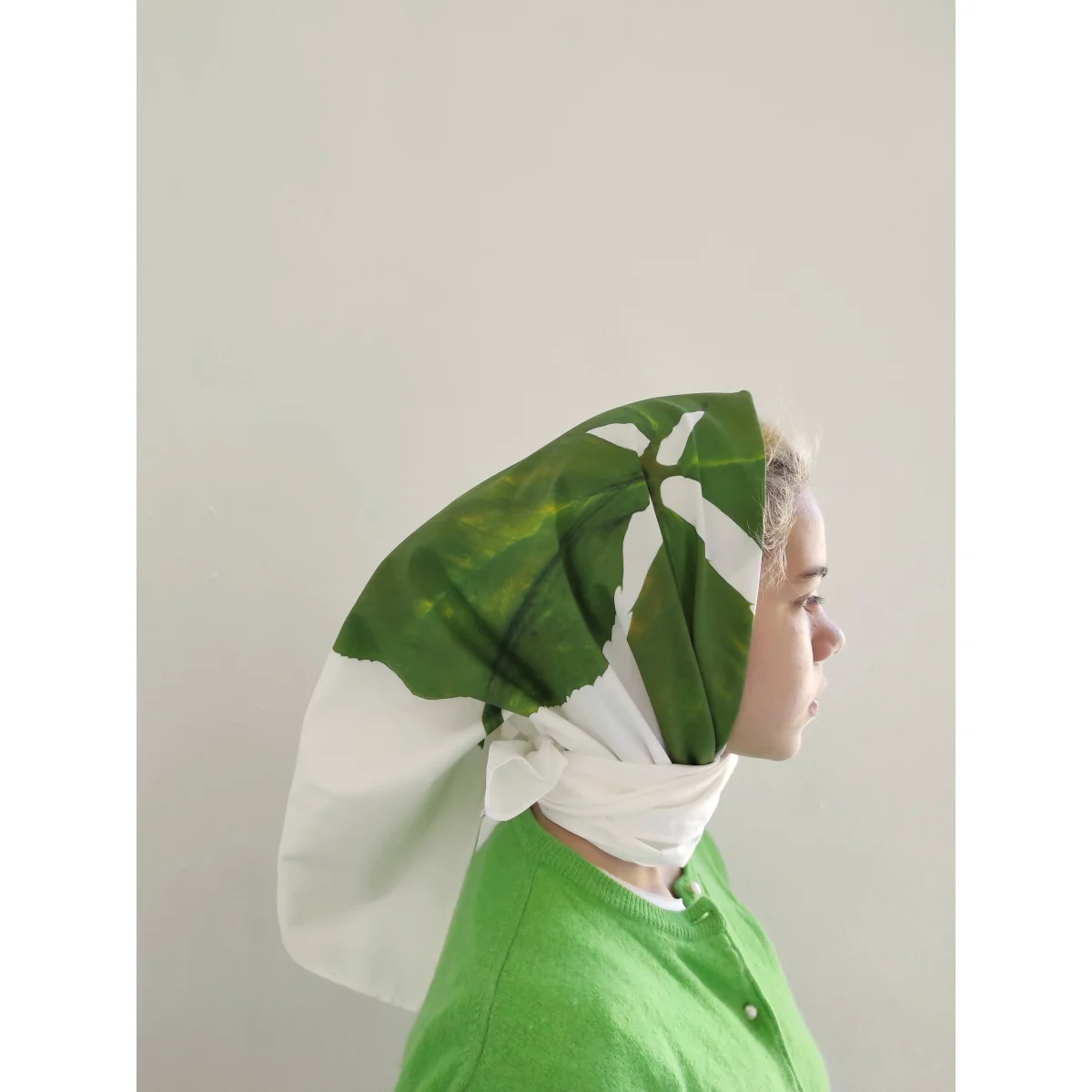
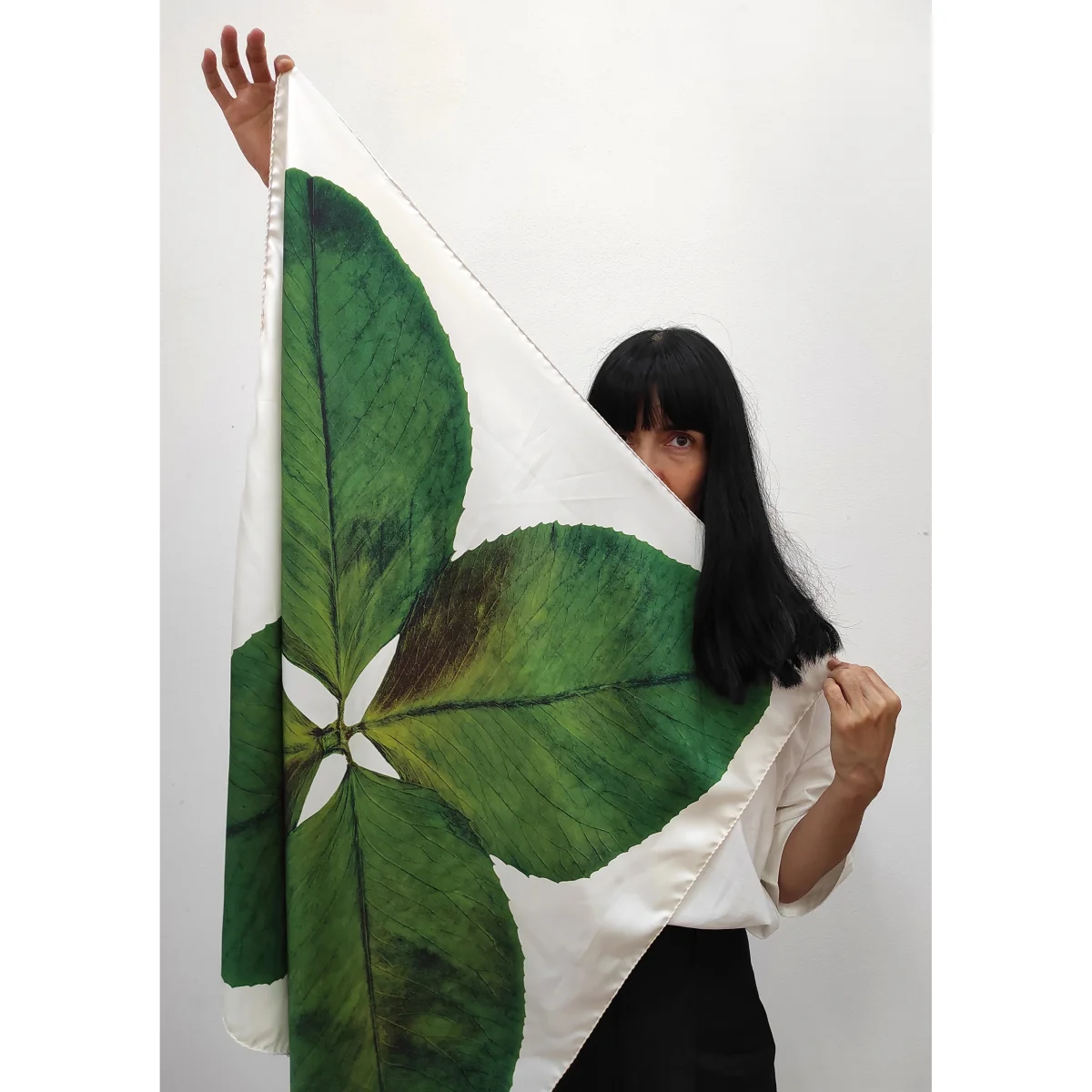
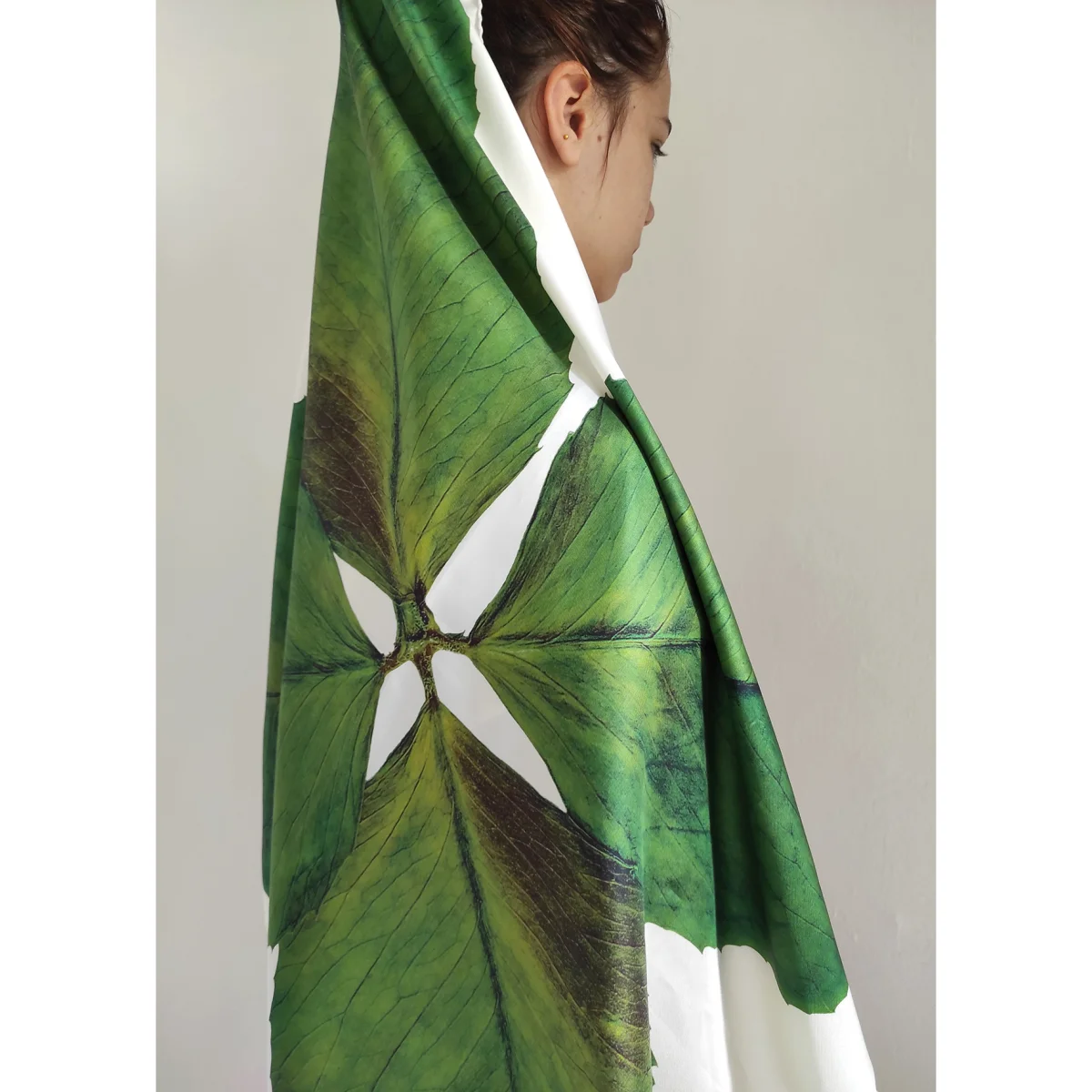
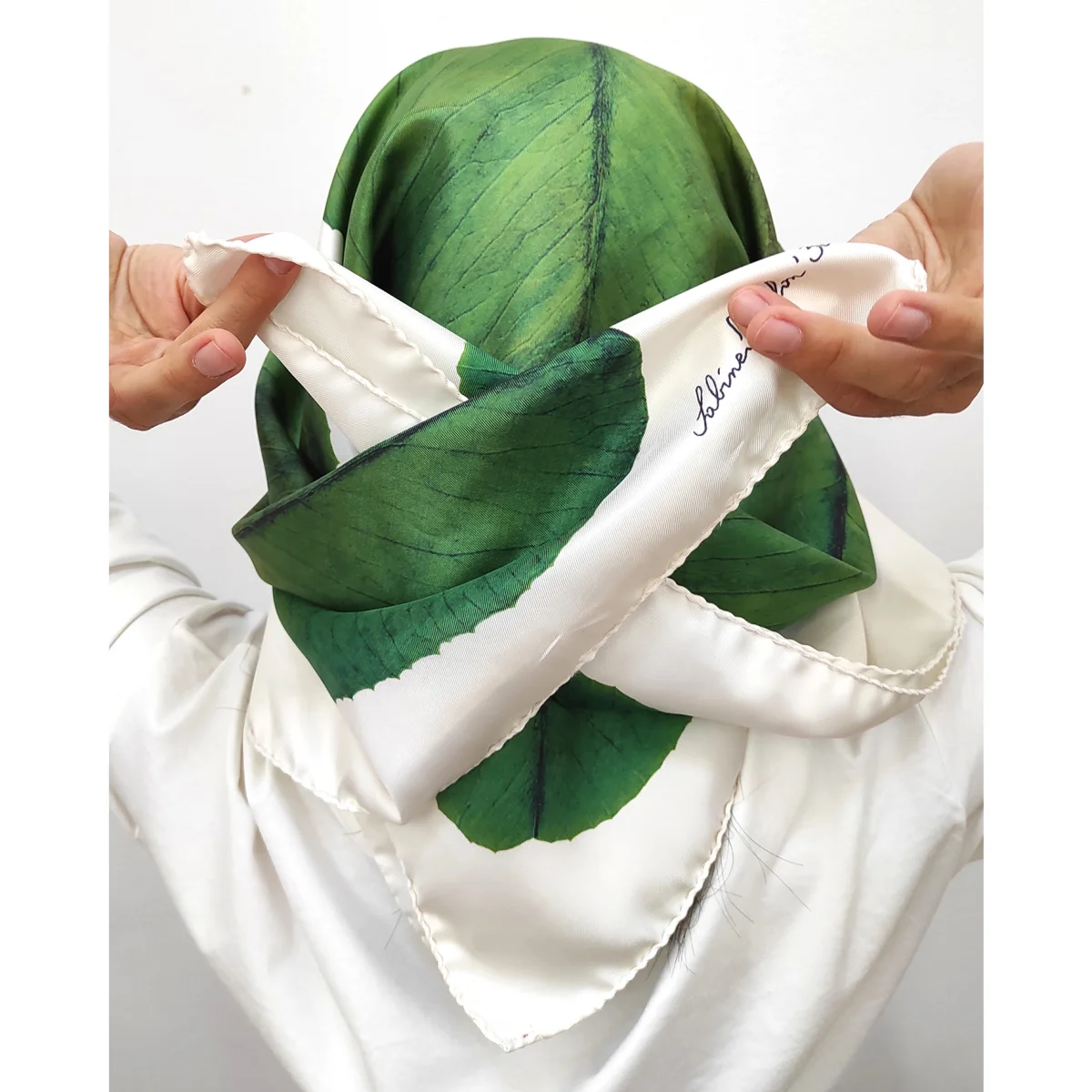
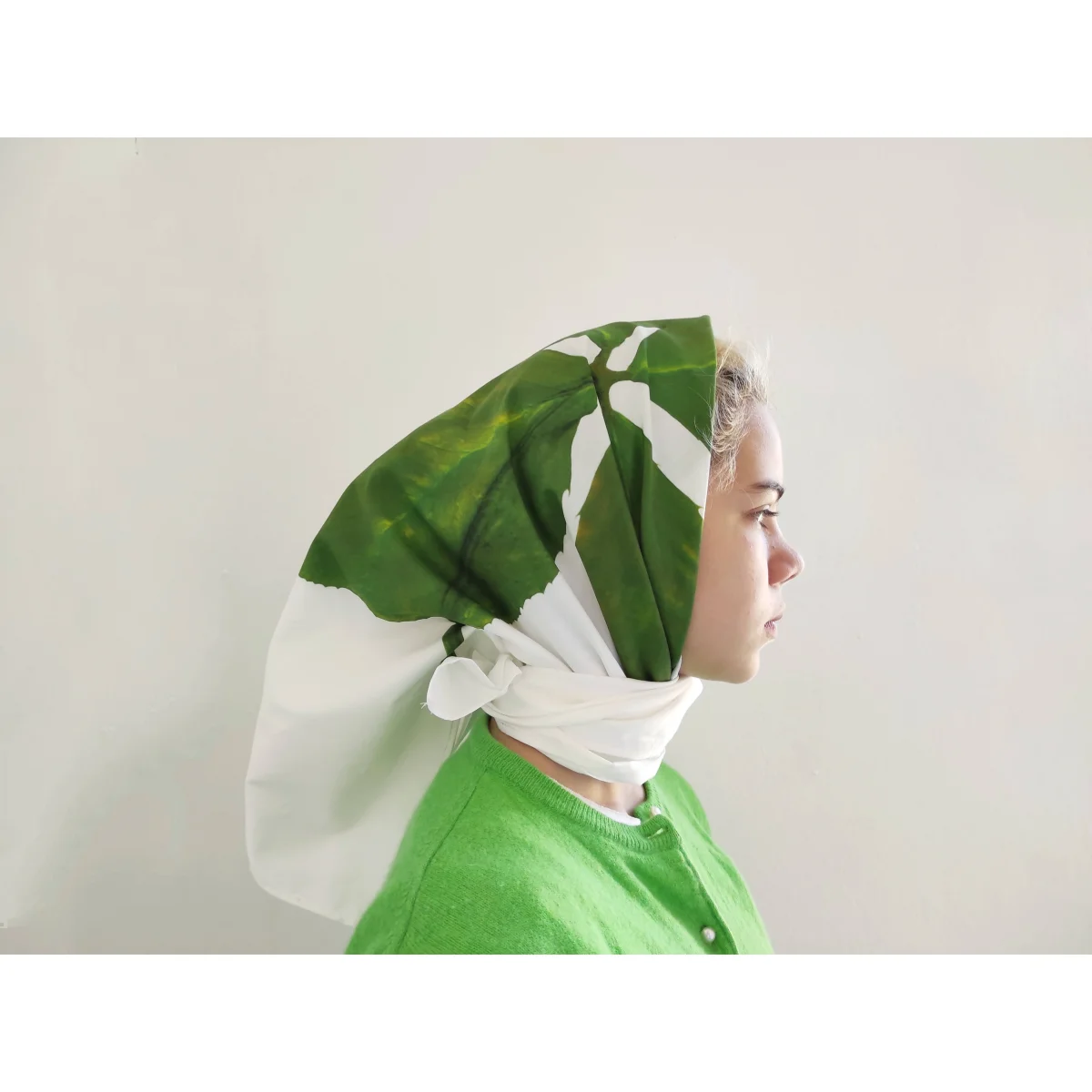
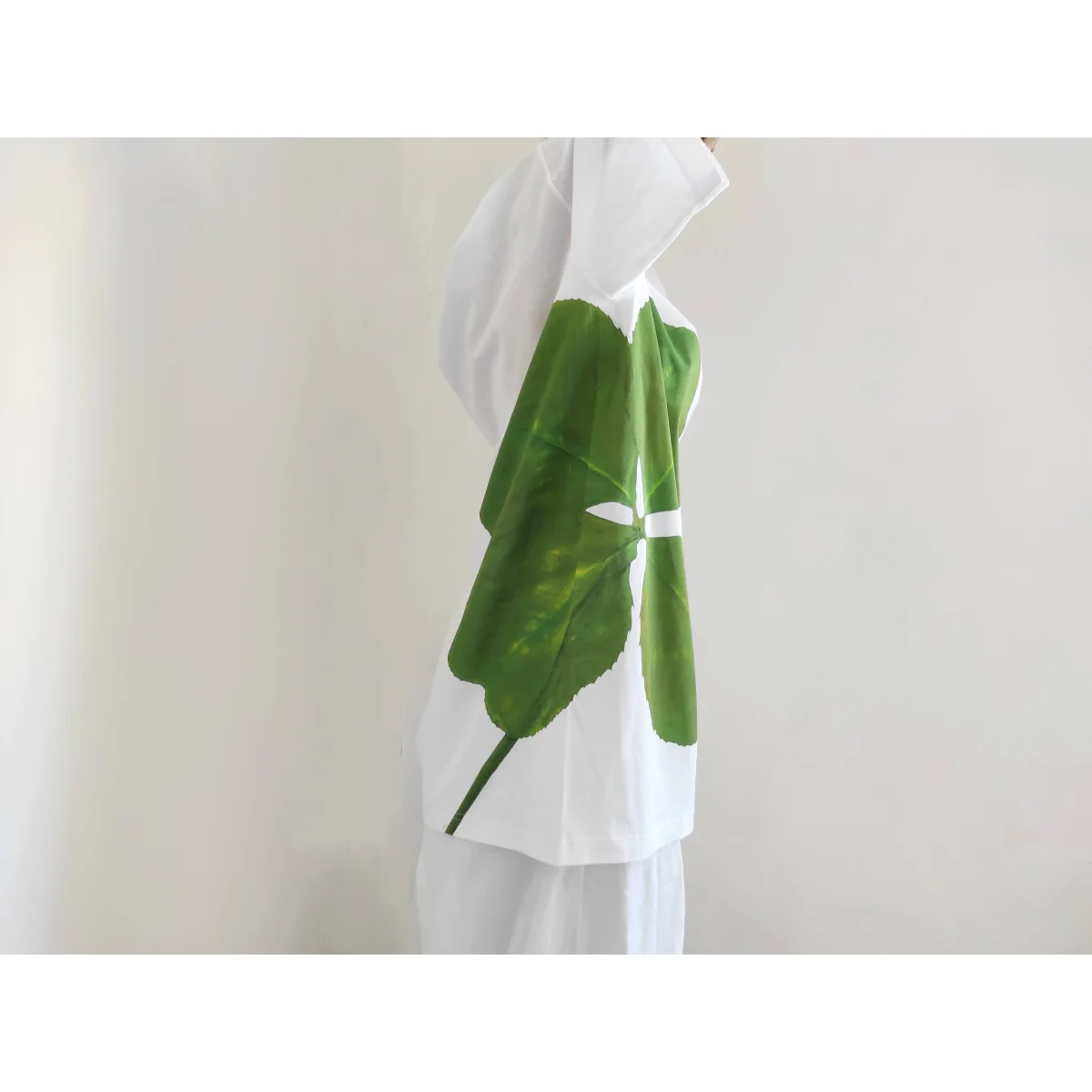
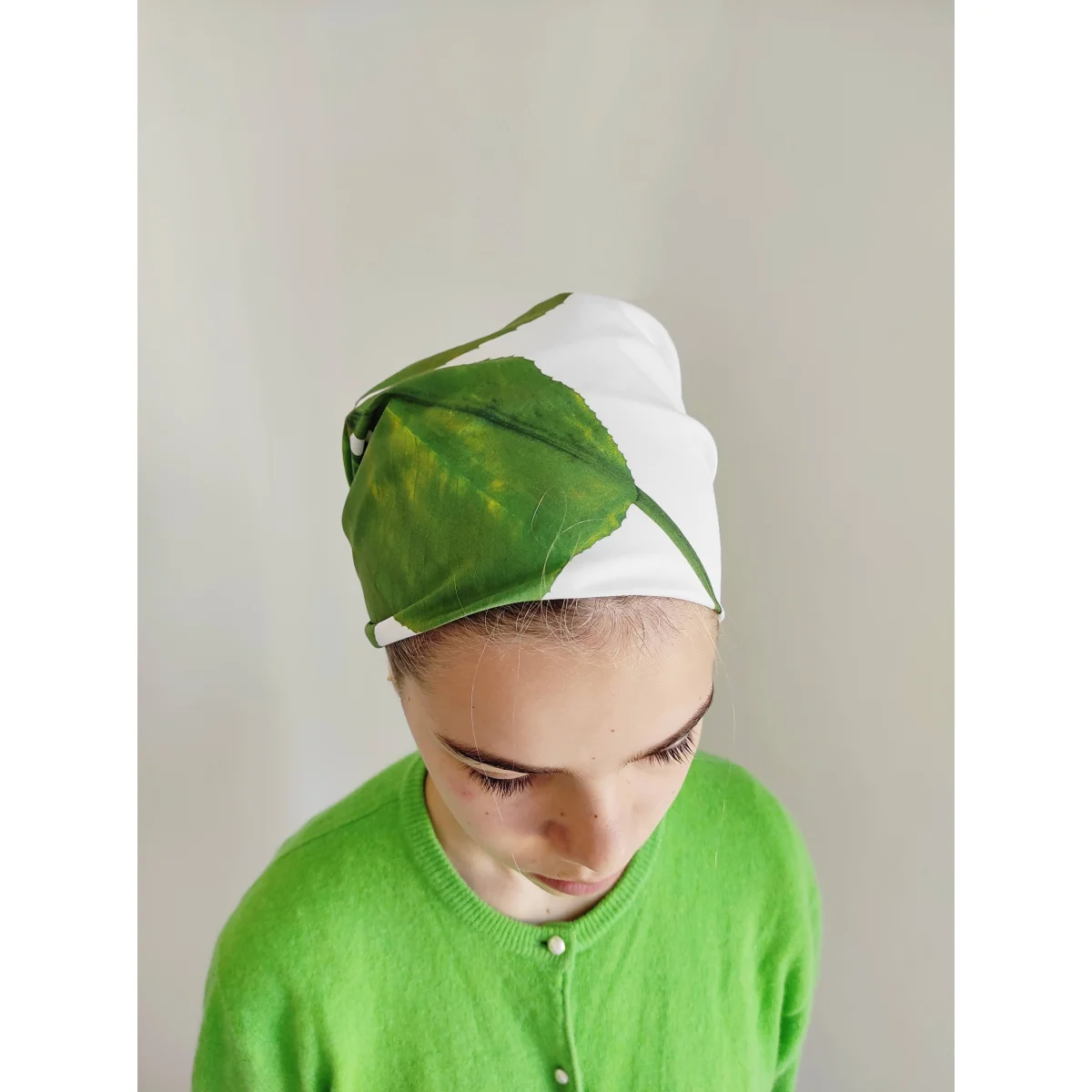
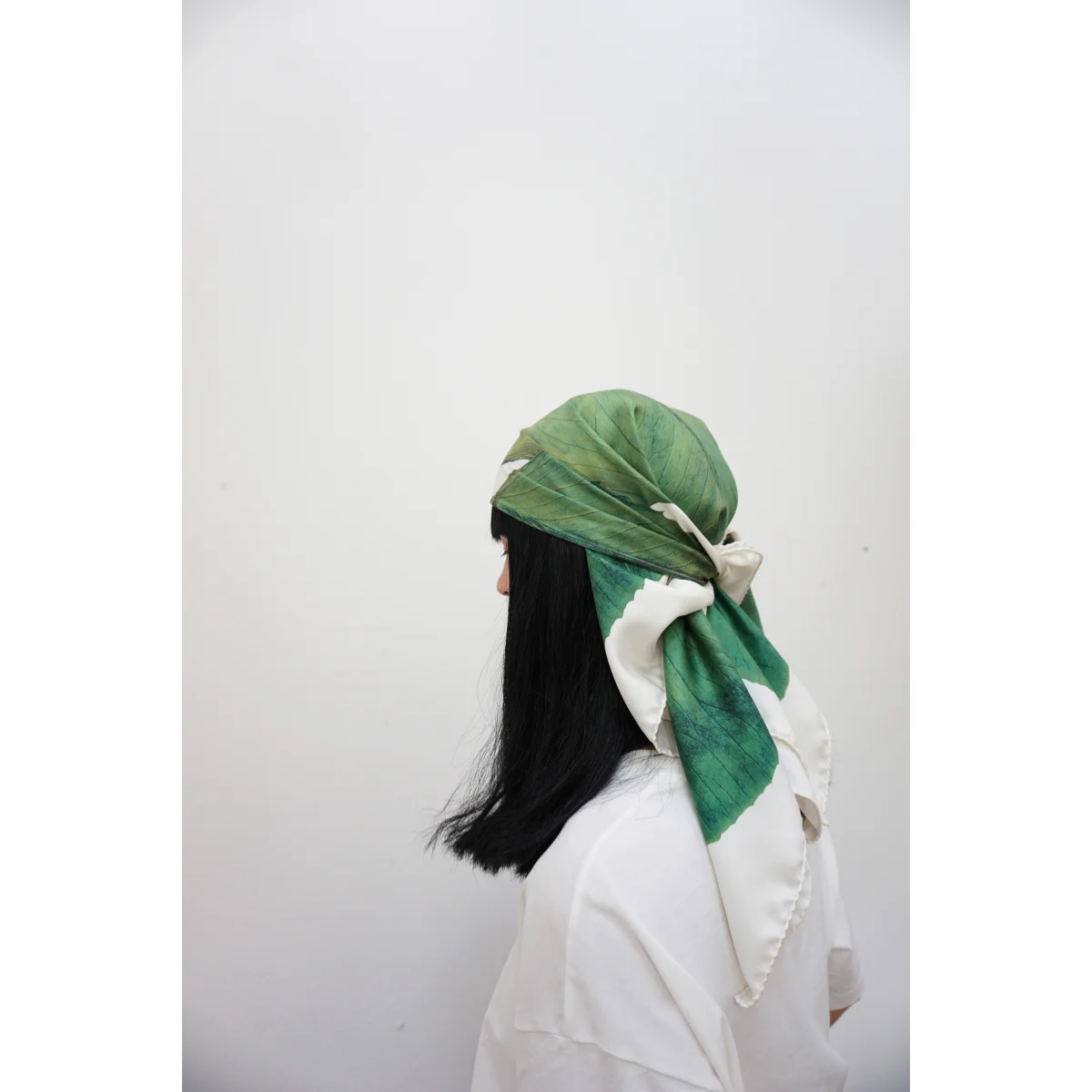
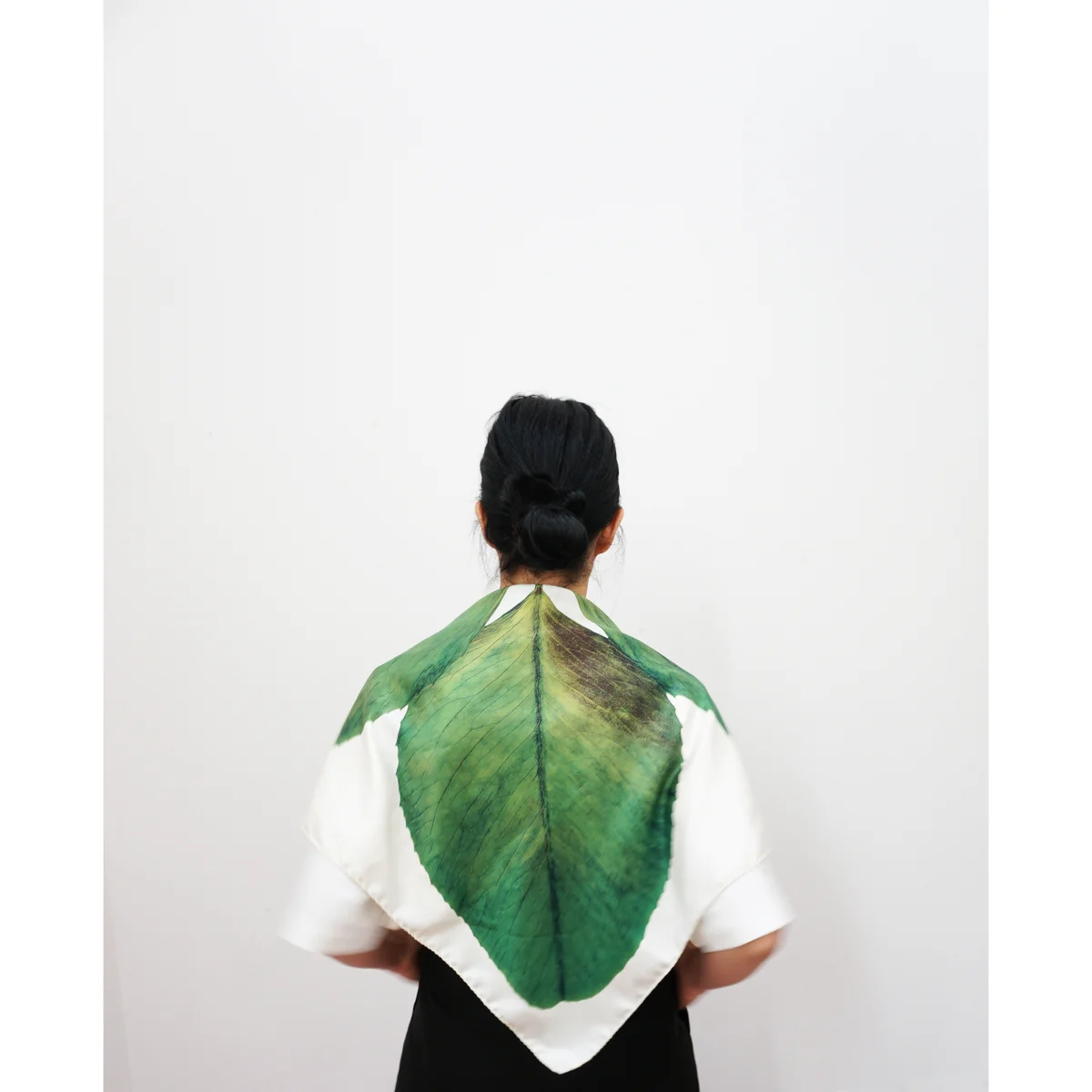
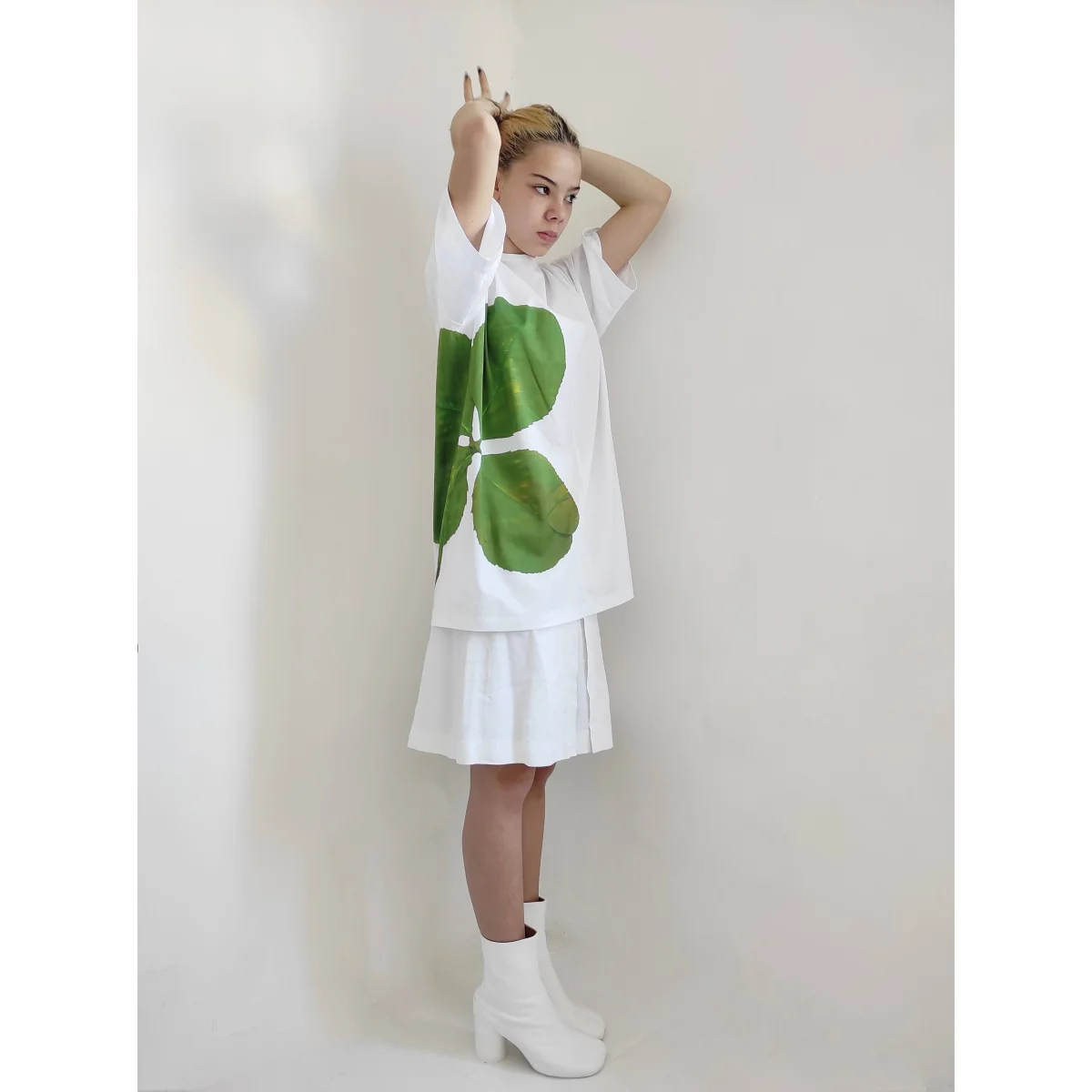
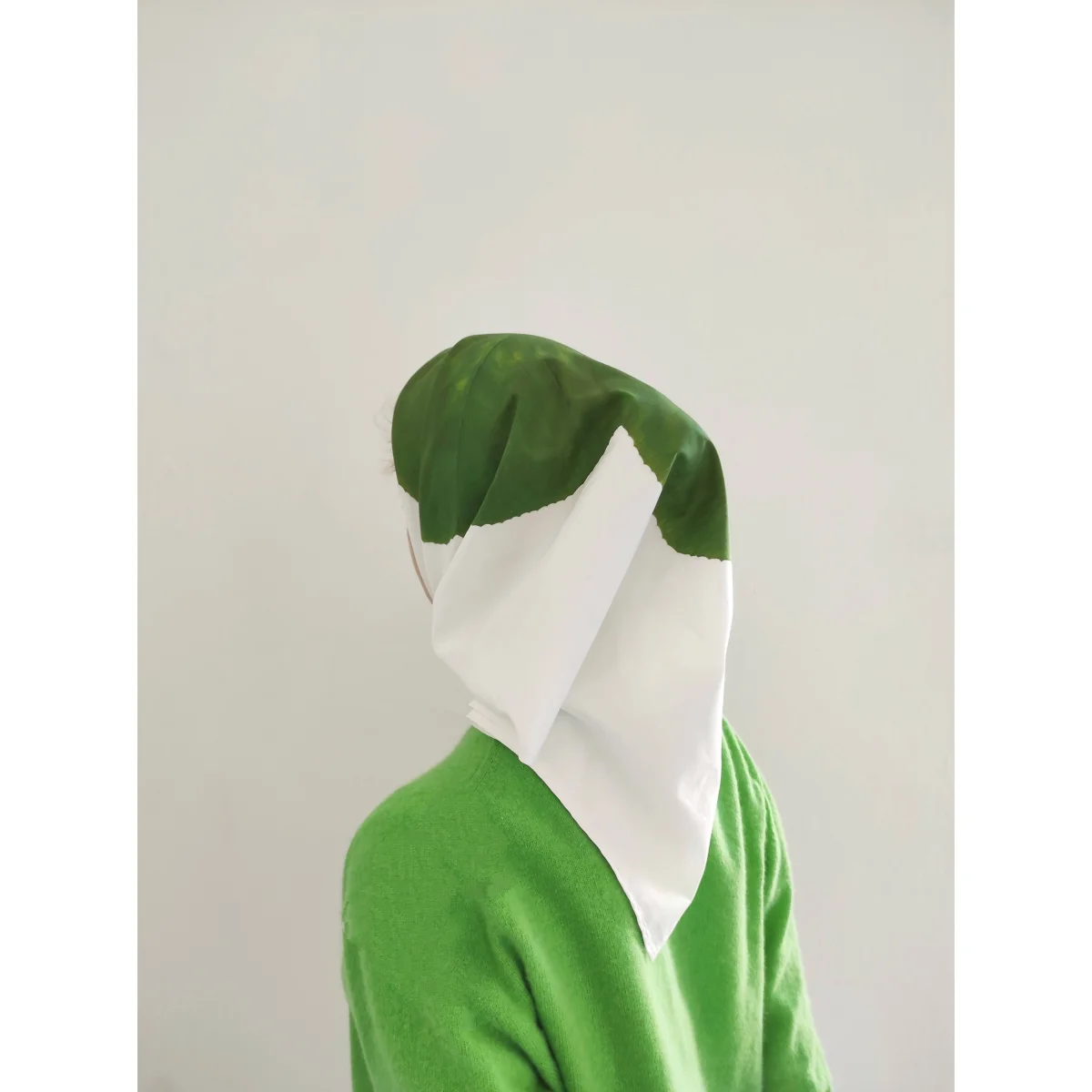
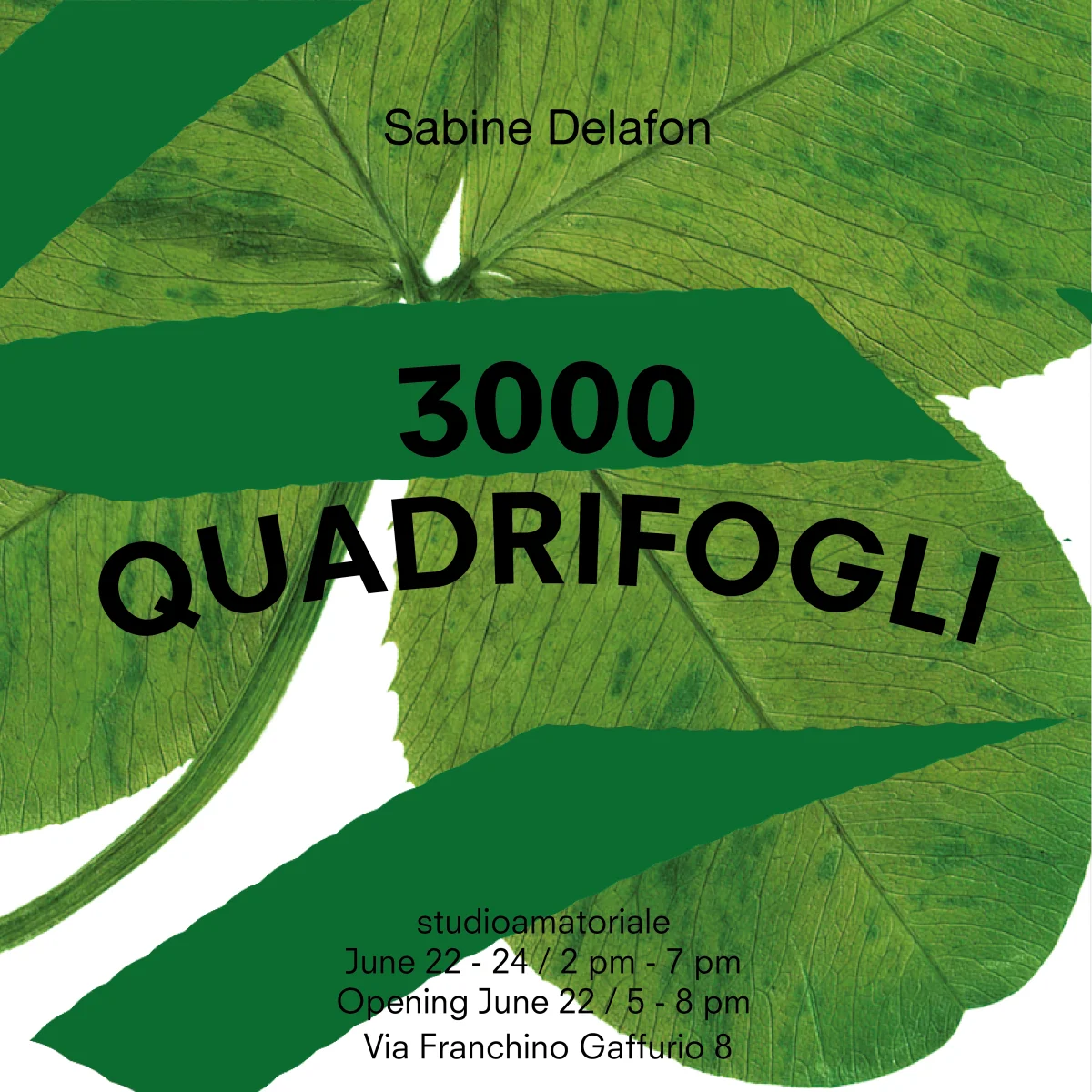
Studio Amatoriale, Milan, 2022
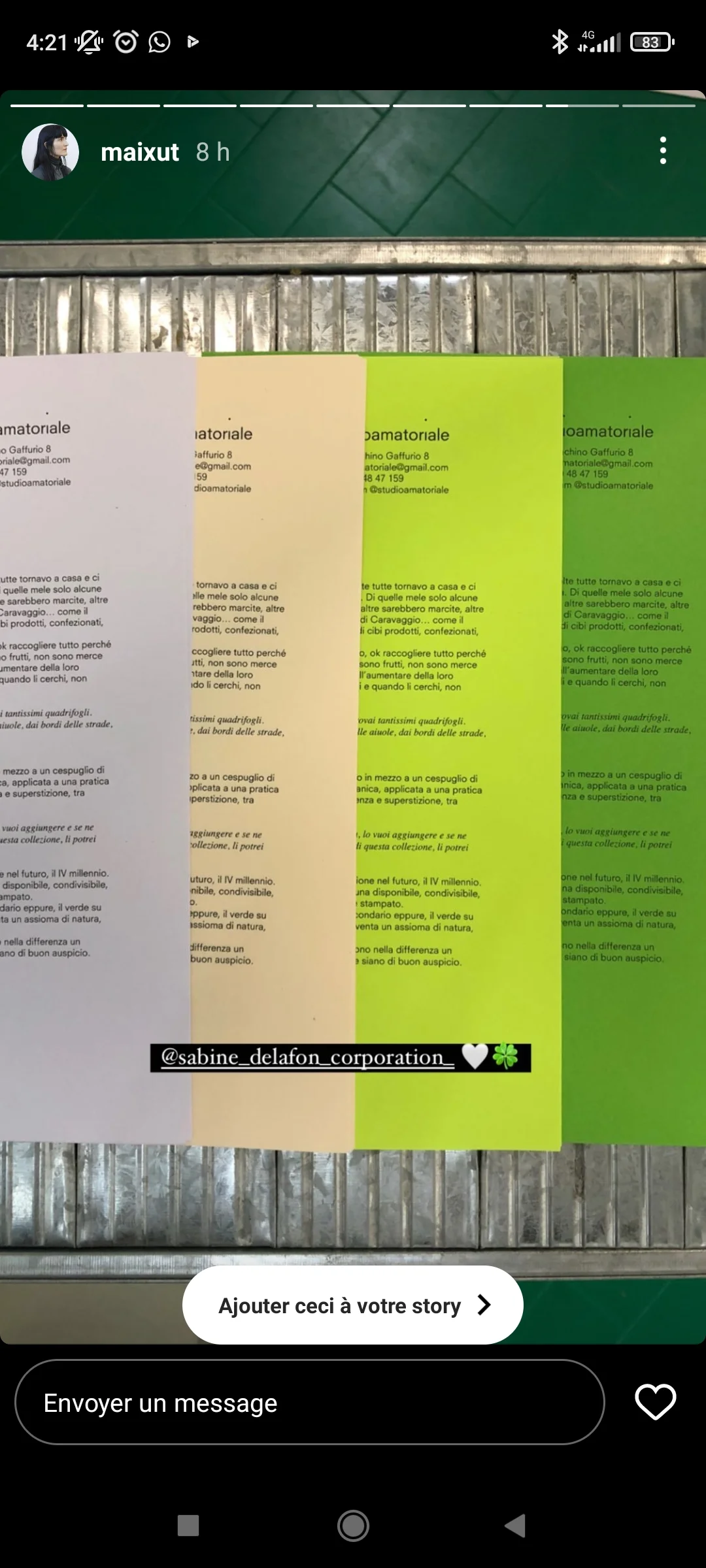
In autumn, there was an apple tree that bore a great many apples. After picking them all, I would return home and fill drawers, shelves, cupboards and rooms with them, much to my family’s delight. Of those apples, only a few would be eaten; others would roll off the balcony, some would rot, and still others would become centrepiece decorations, arranged in a basket like one of Caravaggio’s still lifes... much like the refrigerator of the 1990s: a treasure chest of surplus, an abundance kept at 3°C of food produced, packaged, distributed, purchased, stored, left to rot and thrown away.
It is true that rotten apples, unlike other commodities, nourish the soil. Fair enough to gather everything because one wants everything. But four-leaf clovers, unlike apples, are not only not fruit; they are not supermarket commodities either. Their value does not diminish in proportion to their increasing quantity; quite the opposite. When you find four-leaf clovers, you never stop looking for them, and when you look for them, you never stop finding them.
The first time was in Baie-Saint-Paul, Quebec, in ’99, when I found countless four-leaf clovers in the countryside. After moving first to Turin and then to Milan, I began collecting them from flowerbeds, roadside verges and the gaps between bricks, right in the city.
Among so many, you choose one that feels like you, one that corresponds to you. It is like your own child.
Sabine cannot help herself: as soon as she spots a four-leaf clover among a patch of three-leaf clovers, she picks it and catalogues it. Her compulsion for botanical taxonomy, applied to a practice devoid of intention or purpose, takes on a liminal form somewhere between science and superstition, concept and decoration.
When you have a collection of any kind and find a piece you are missing, you want to add it; and there are always more different ones to be found and added. I cannot see this collection ever coming to an end. I could collect them forever.
To say three thousand is like saying thousands. It is a way of projecting this activity into the future, into the fourth millennium. Like 2001: A Space Odyssey, 3,000 Four-Leaf Clovers makes good fortune available and shareable: a wish for abundance, an evergreen vision of the future, immortalised in print.
Fontana’s green slash is the least expensive; green is a secondary colour, and yet the green against the white background of these four-leaf clovers, gathered along roadsides, becomes an axiom of nature—not to be missed, but fixed to the wall for the next 978 years.
Like black sheep, green four-leaf clovers, fewer in number, embody in their difference an example of salvation. They carry a special value, and we hope they will bring good luck.
Francesco Tola
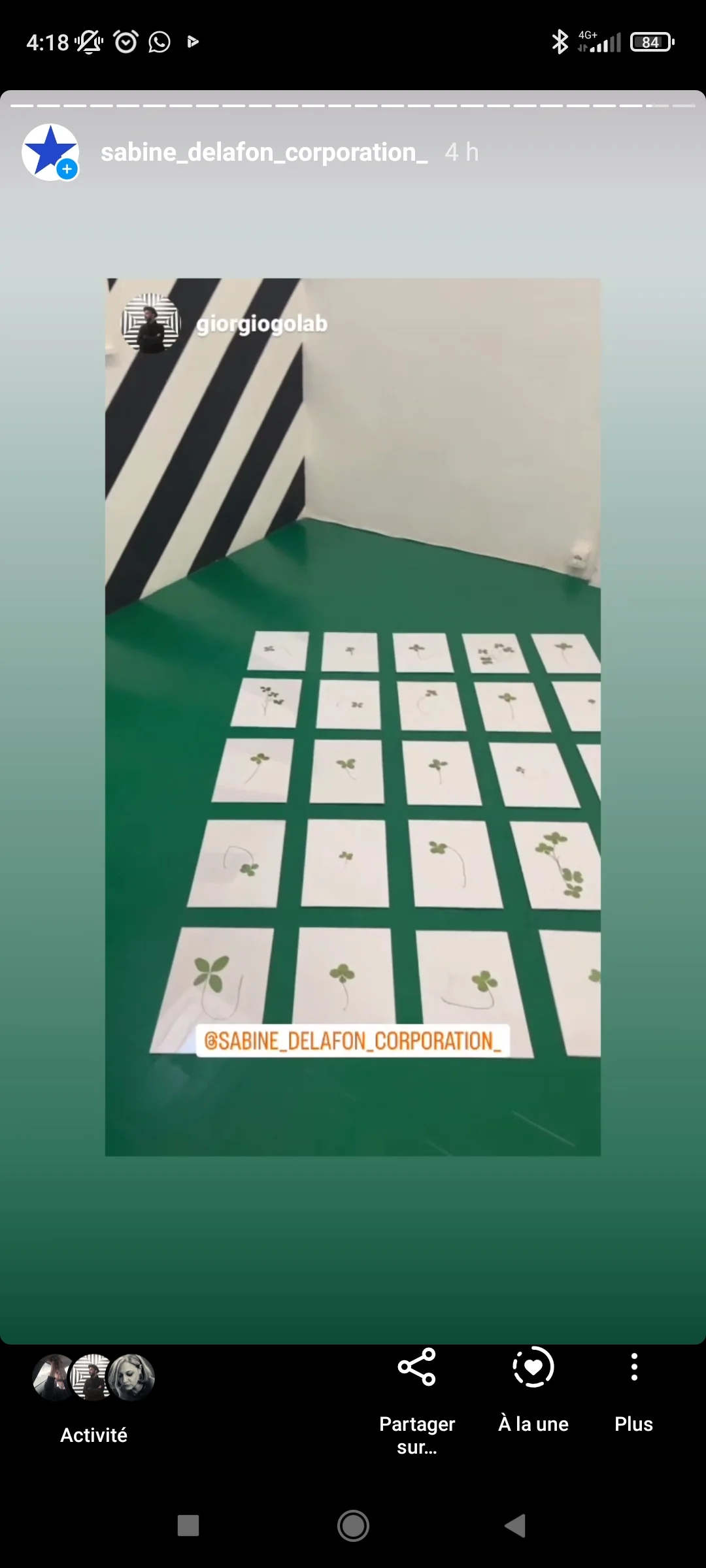
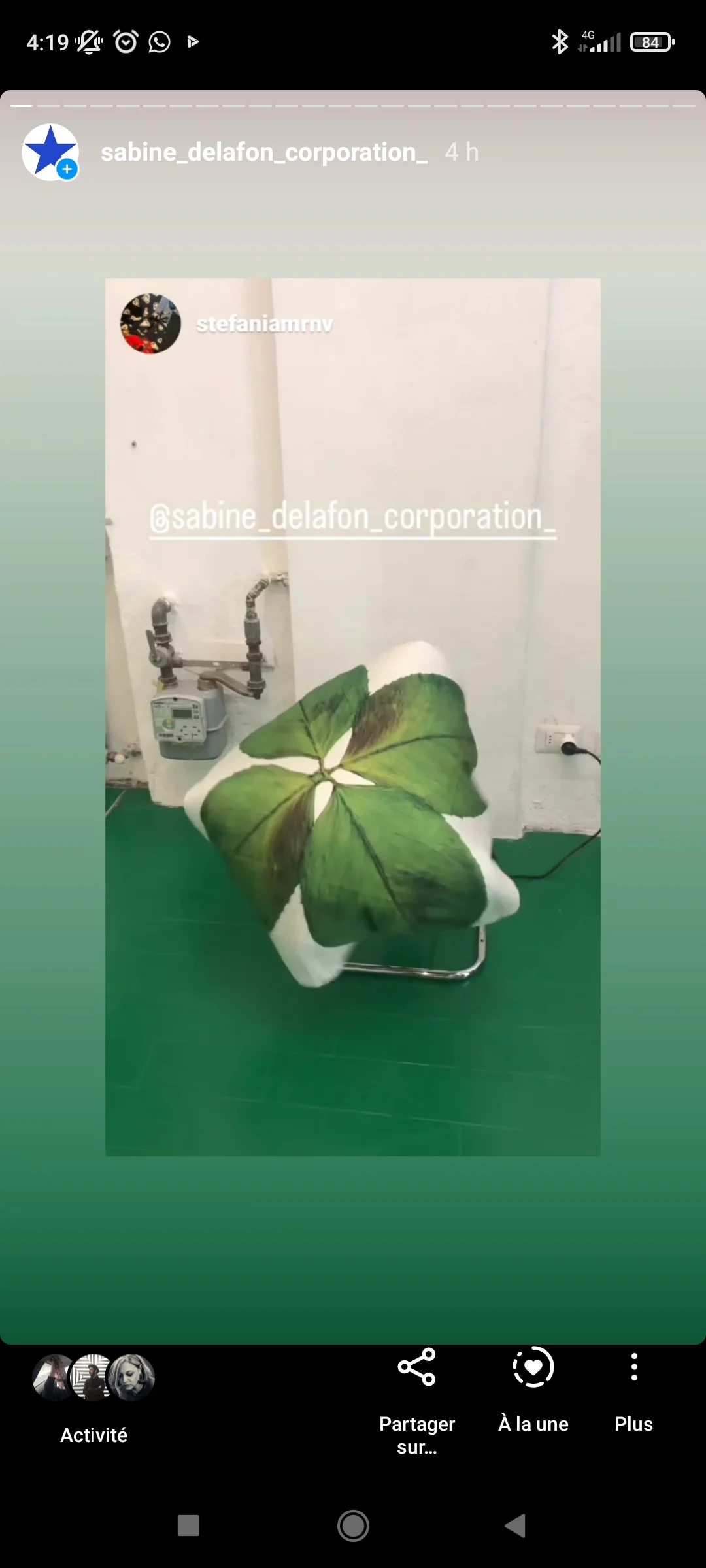
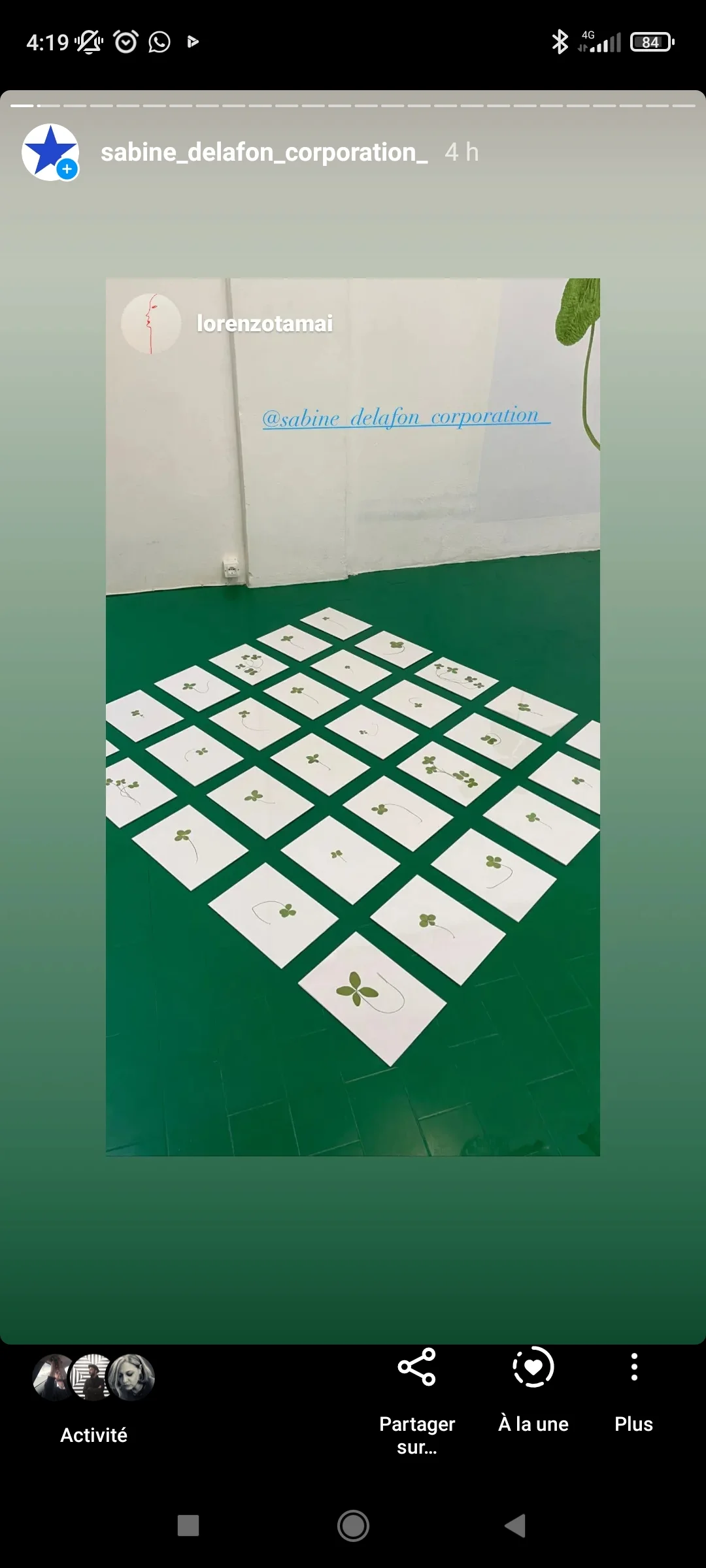
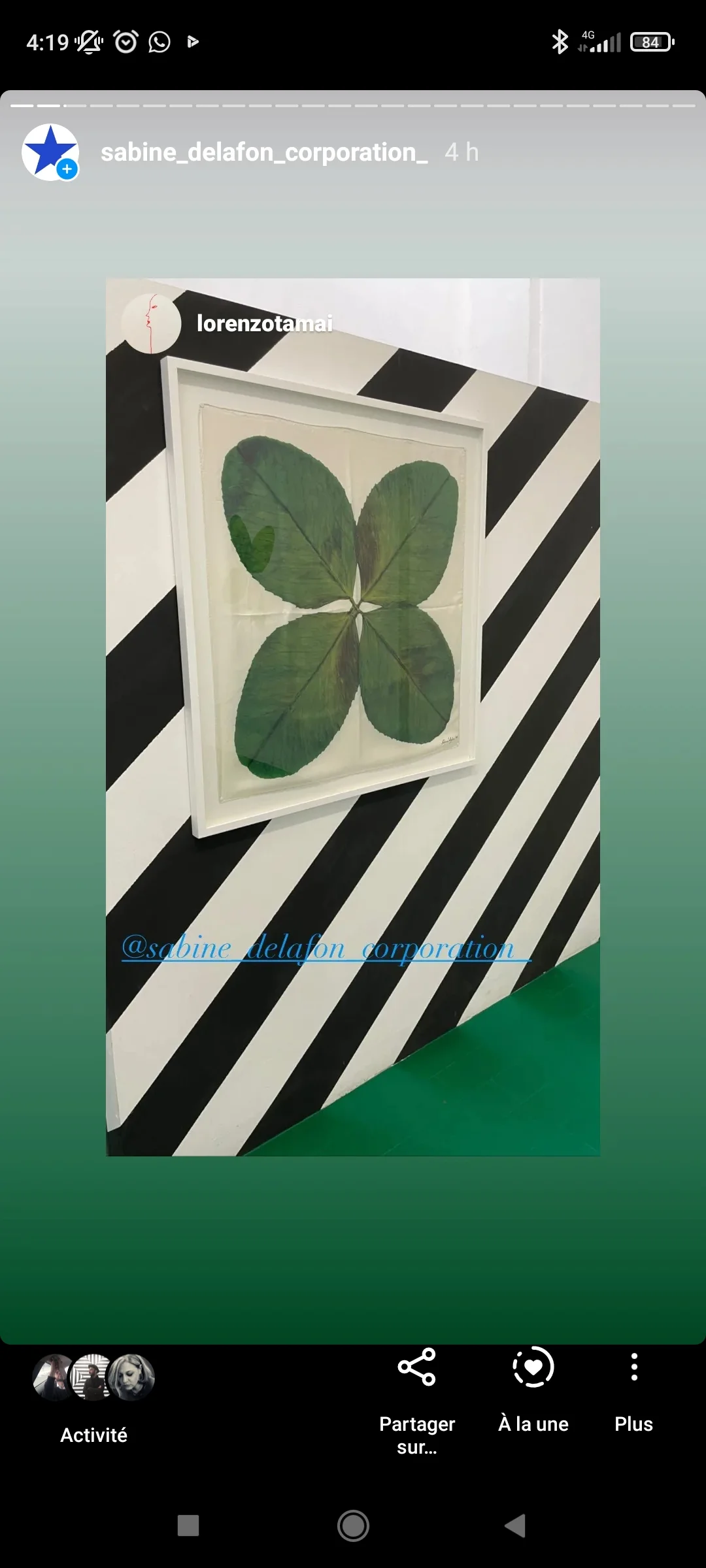
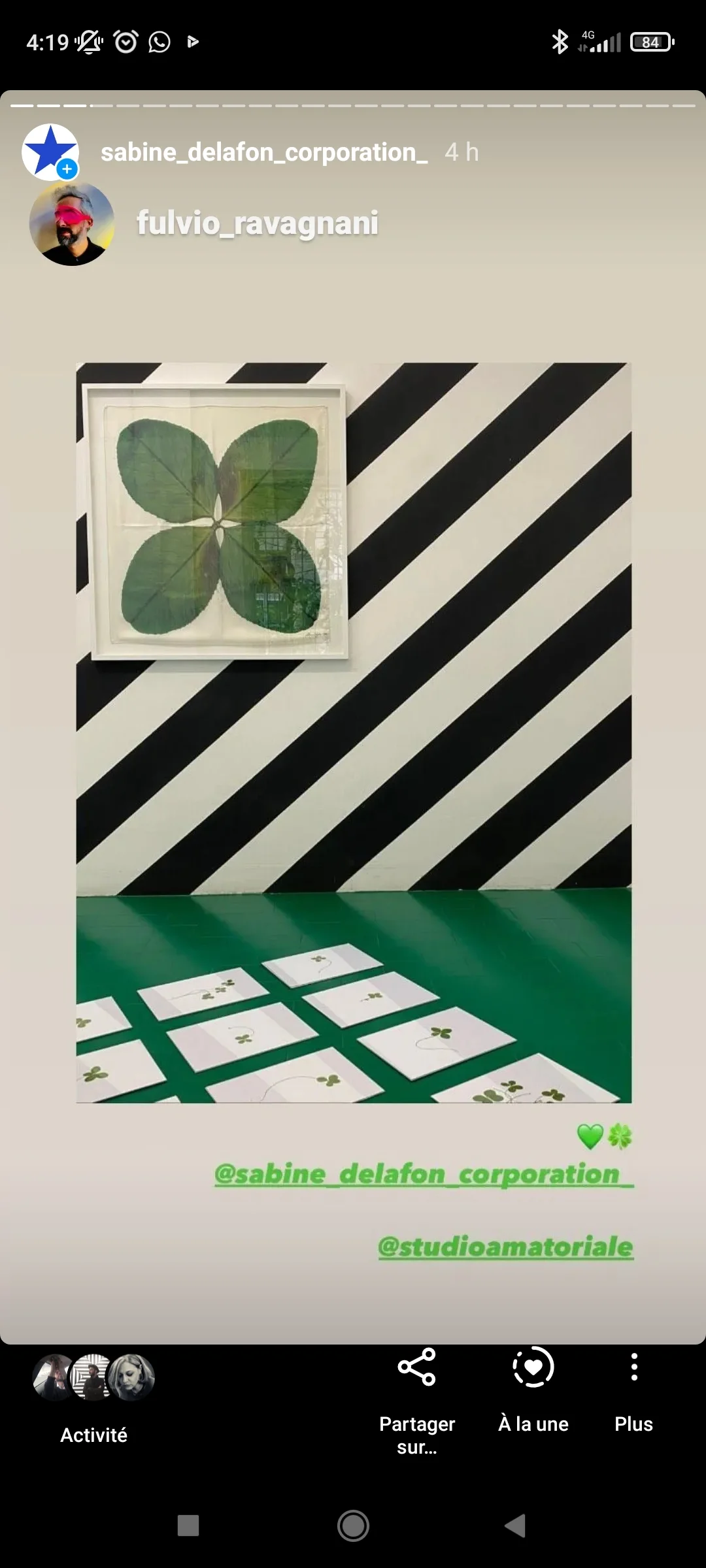
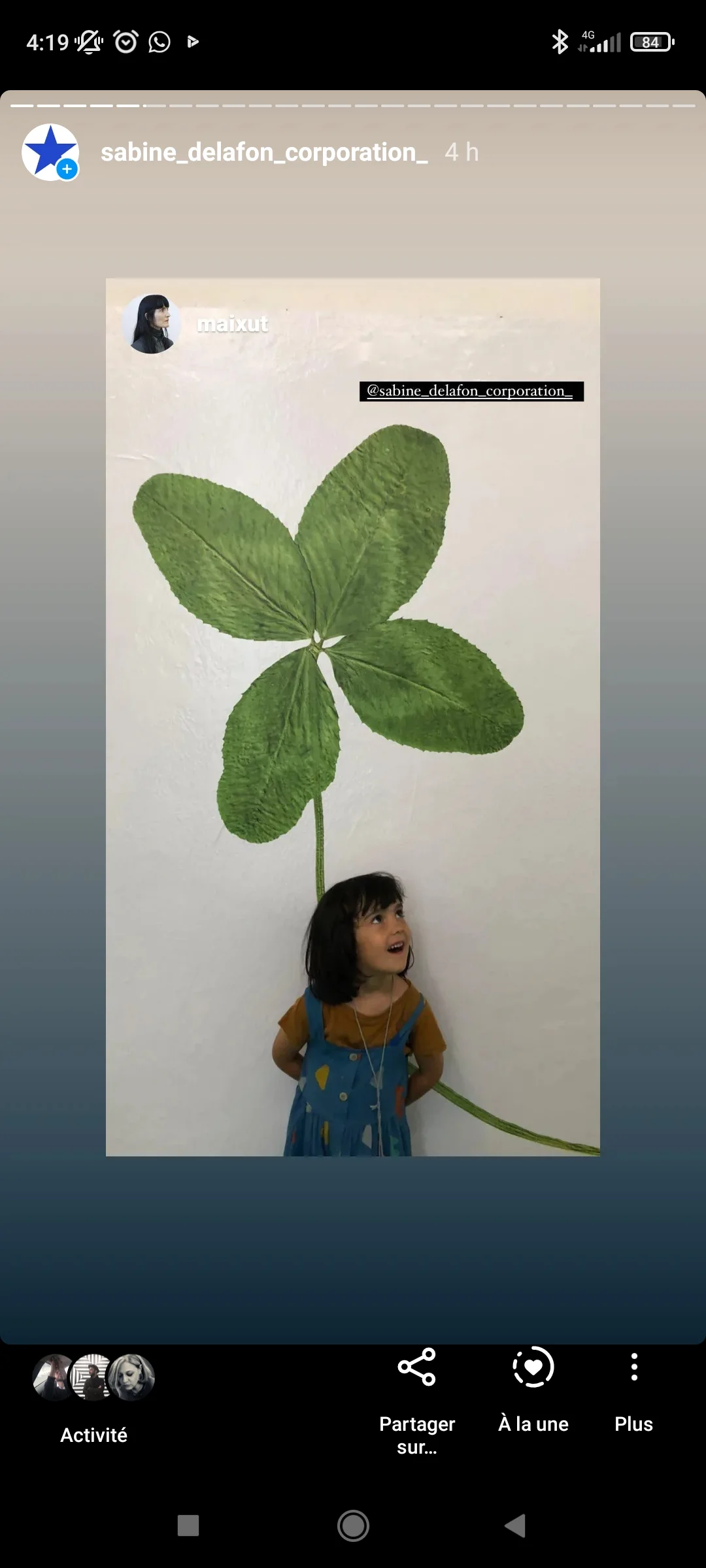
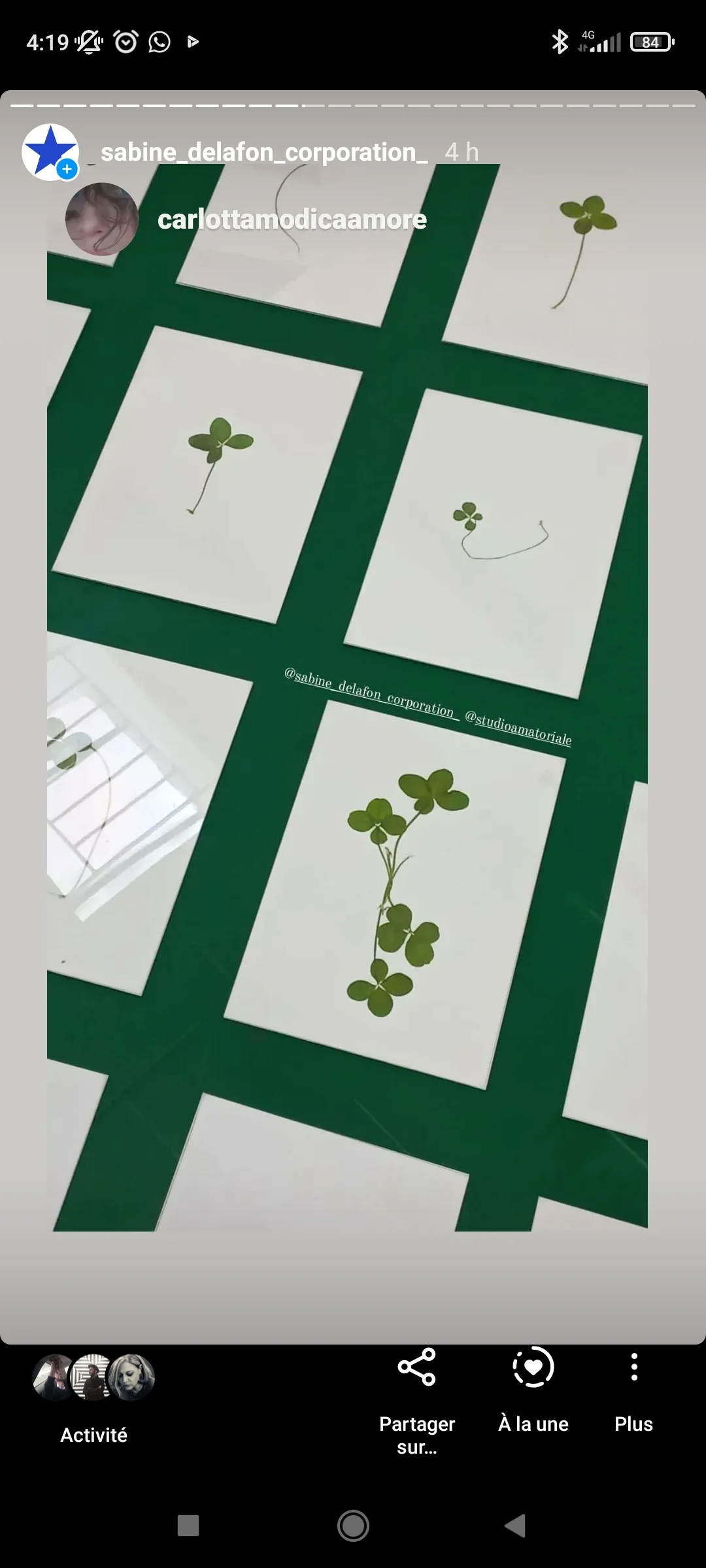
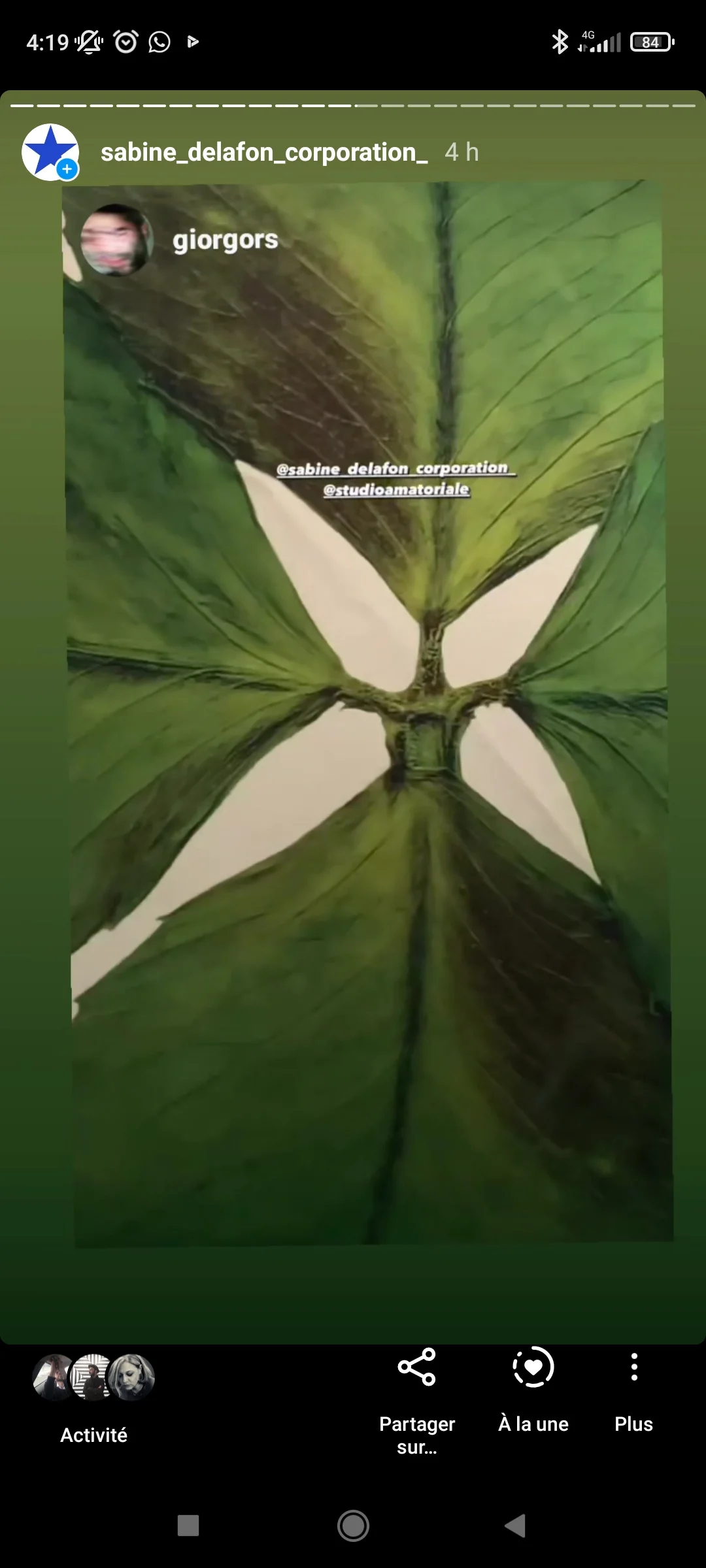
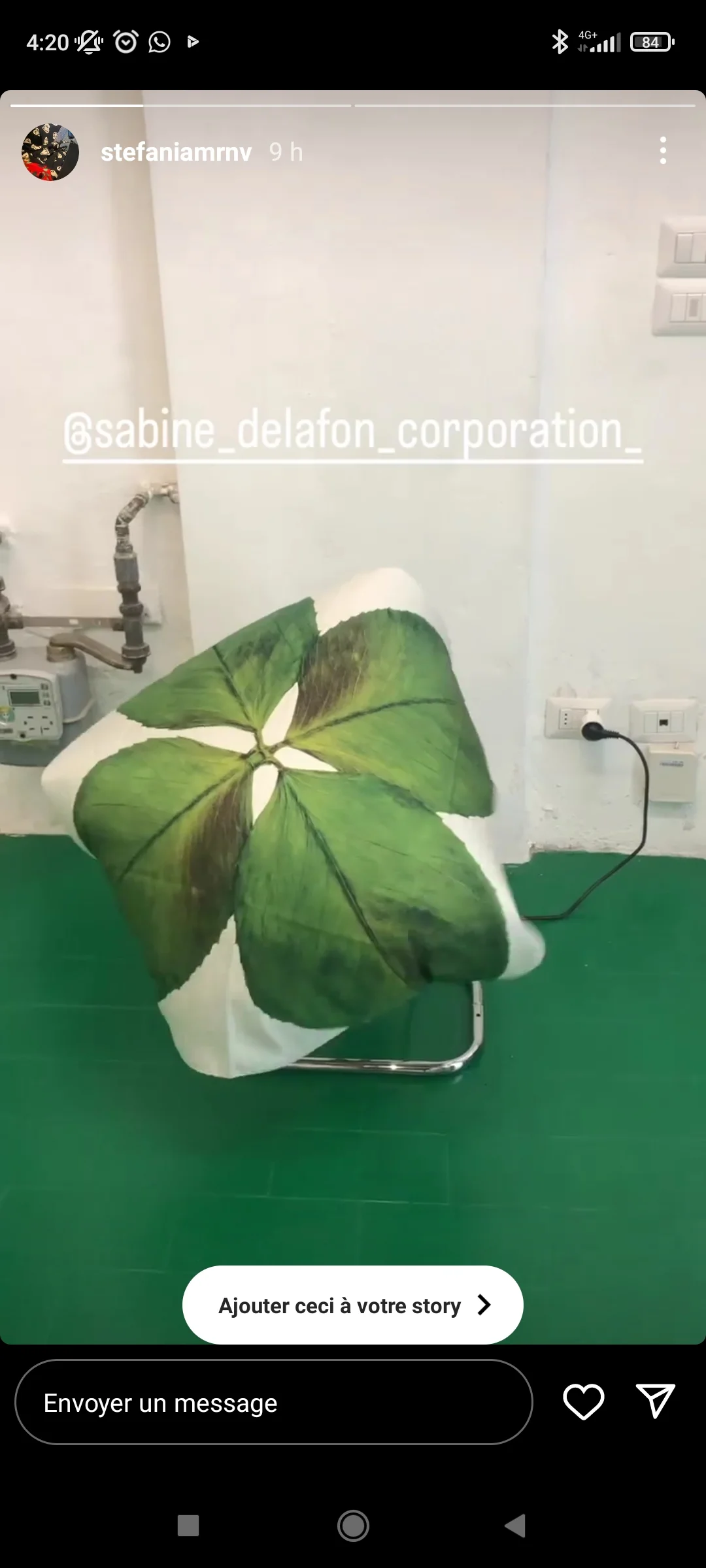
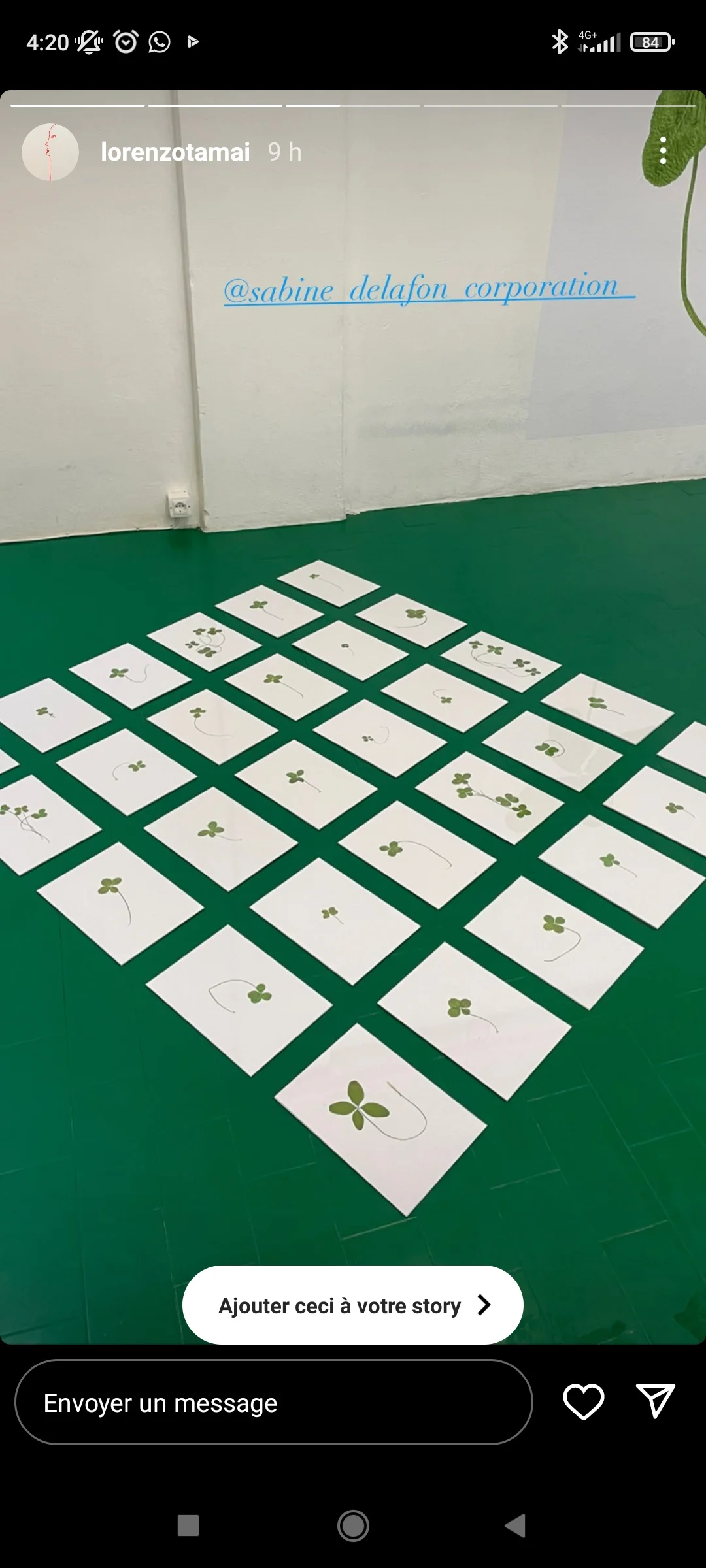
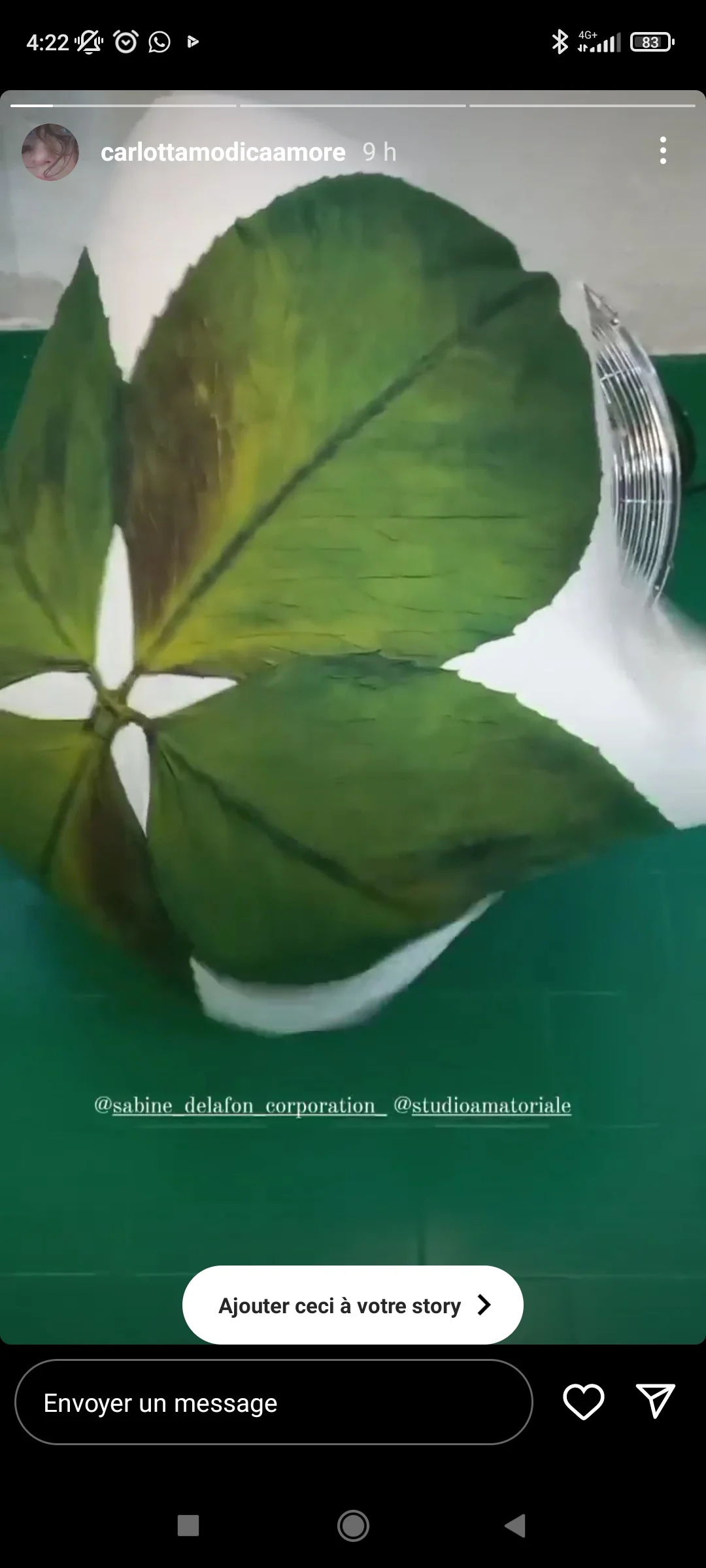
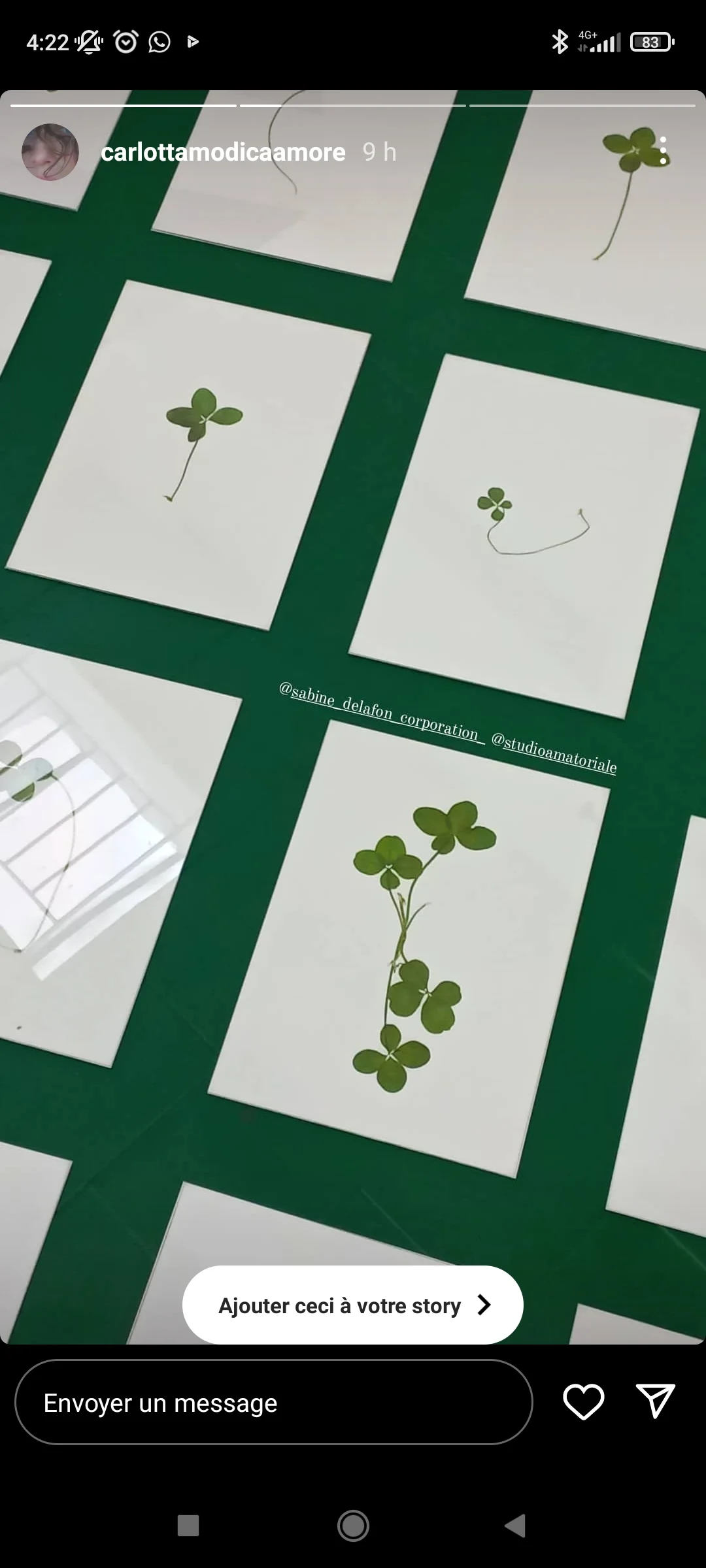
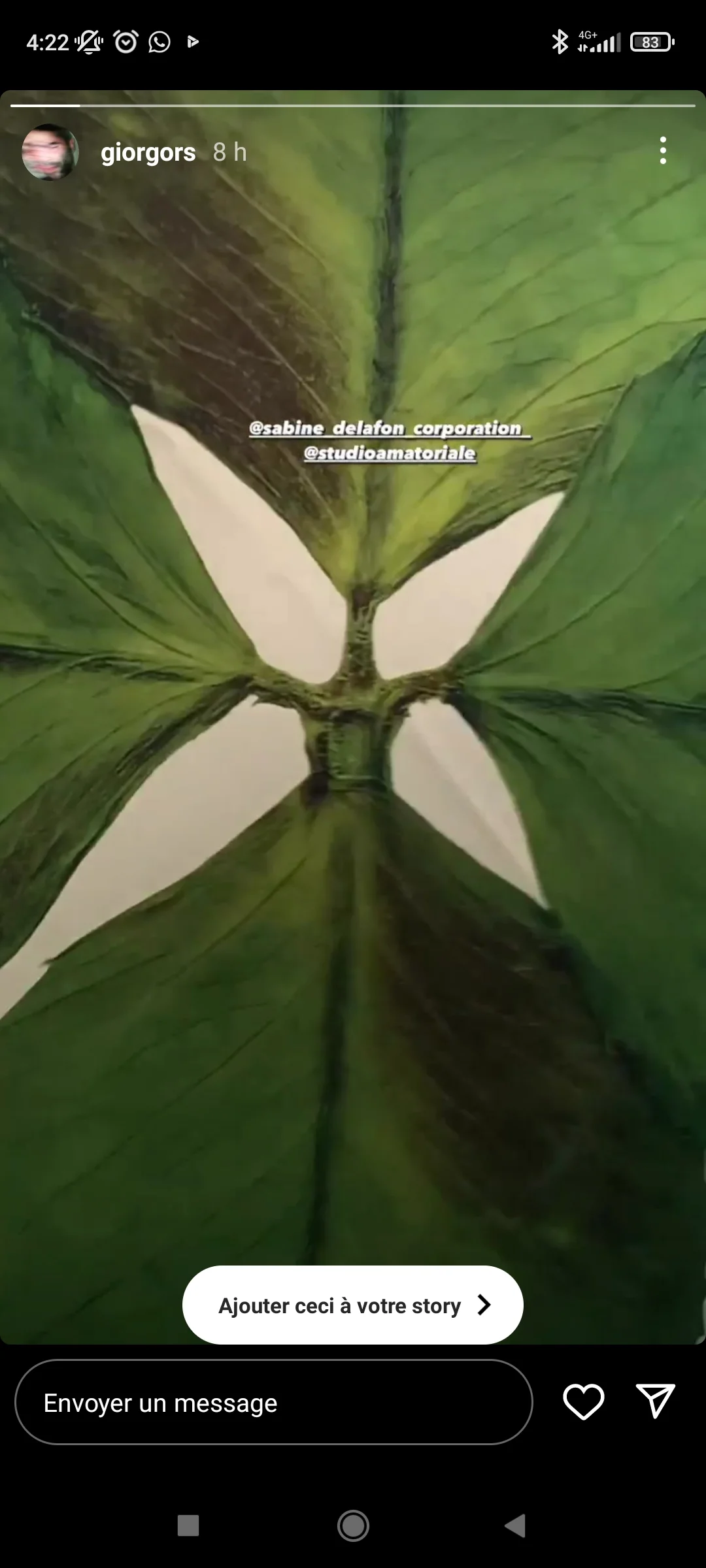
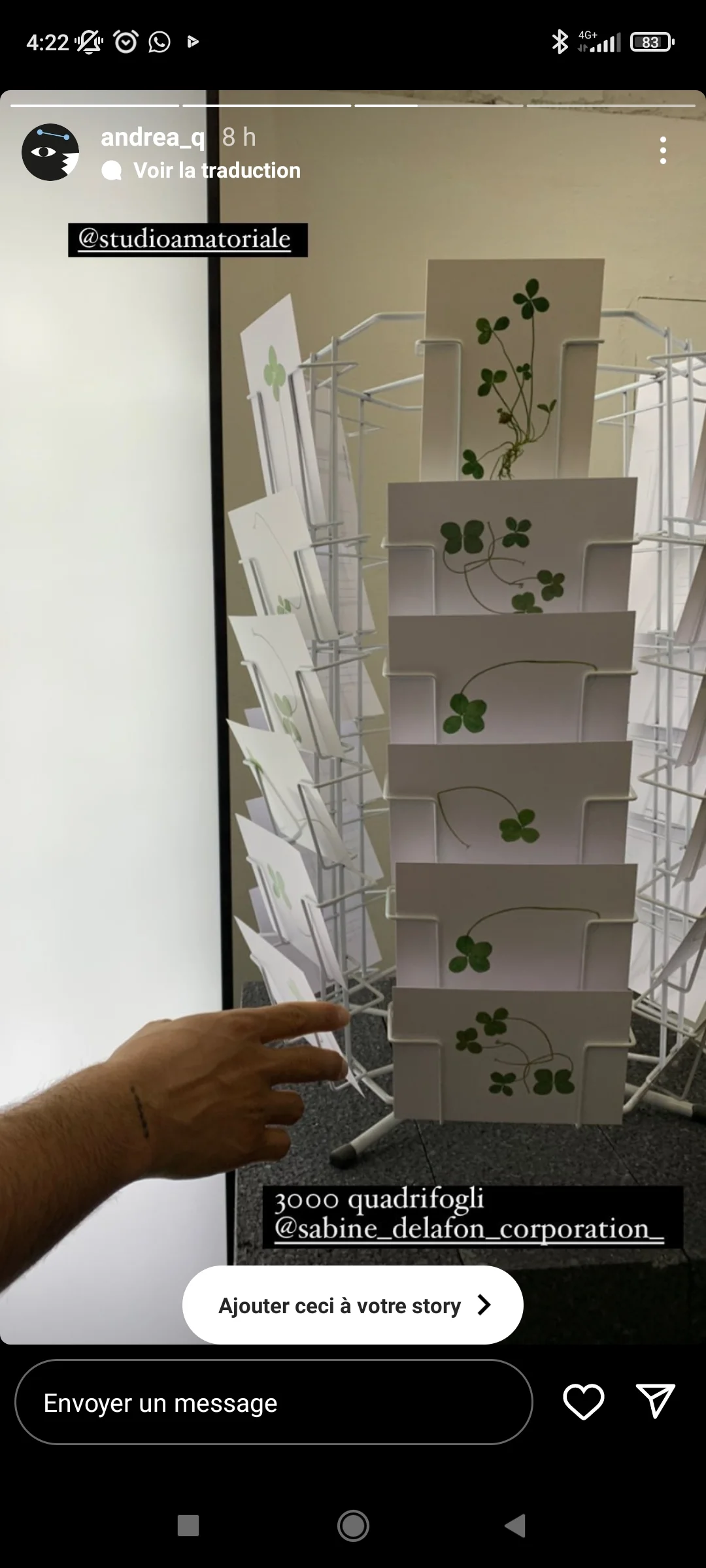
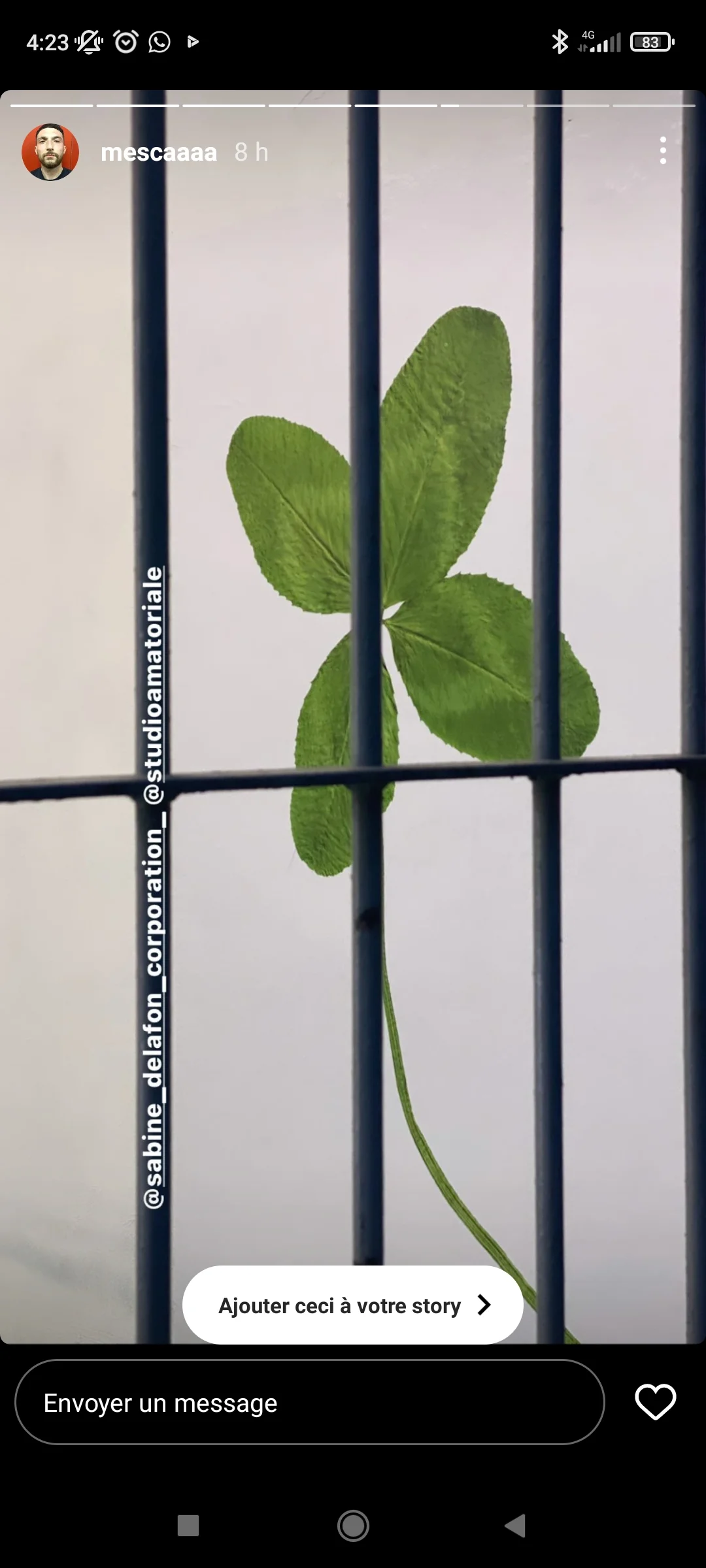
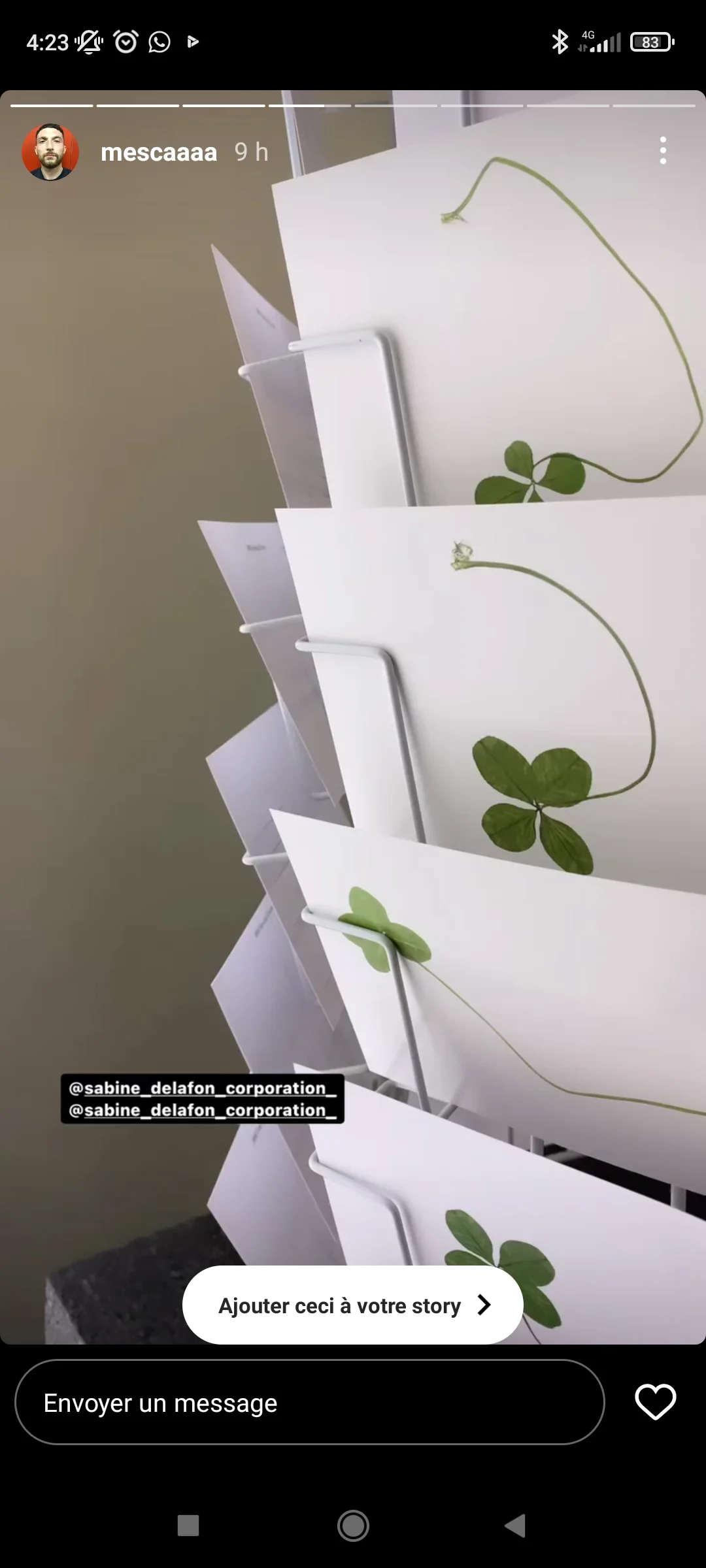
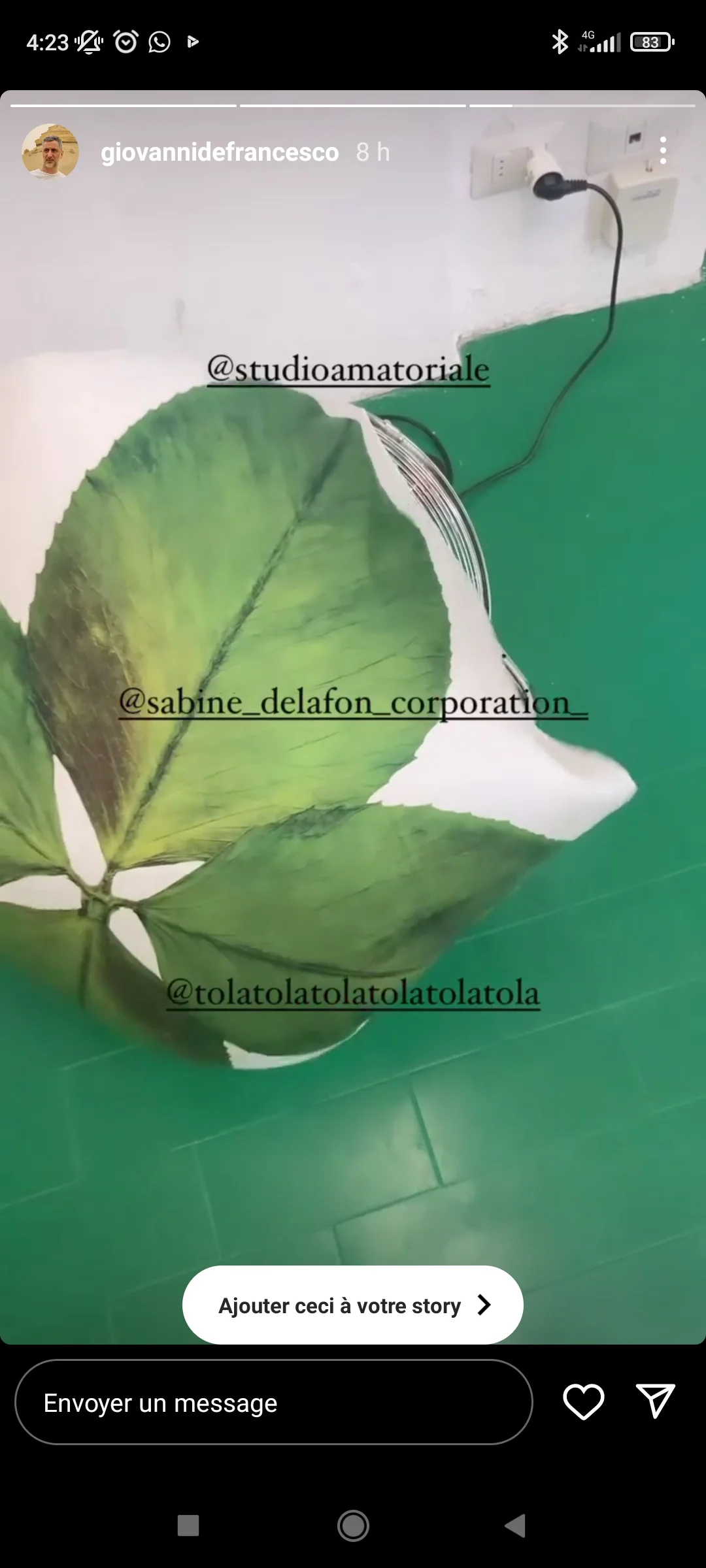
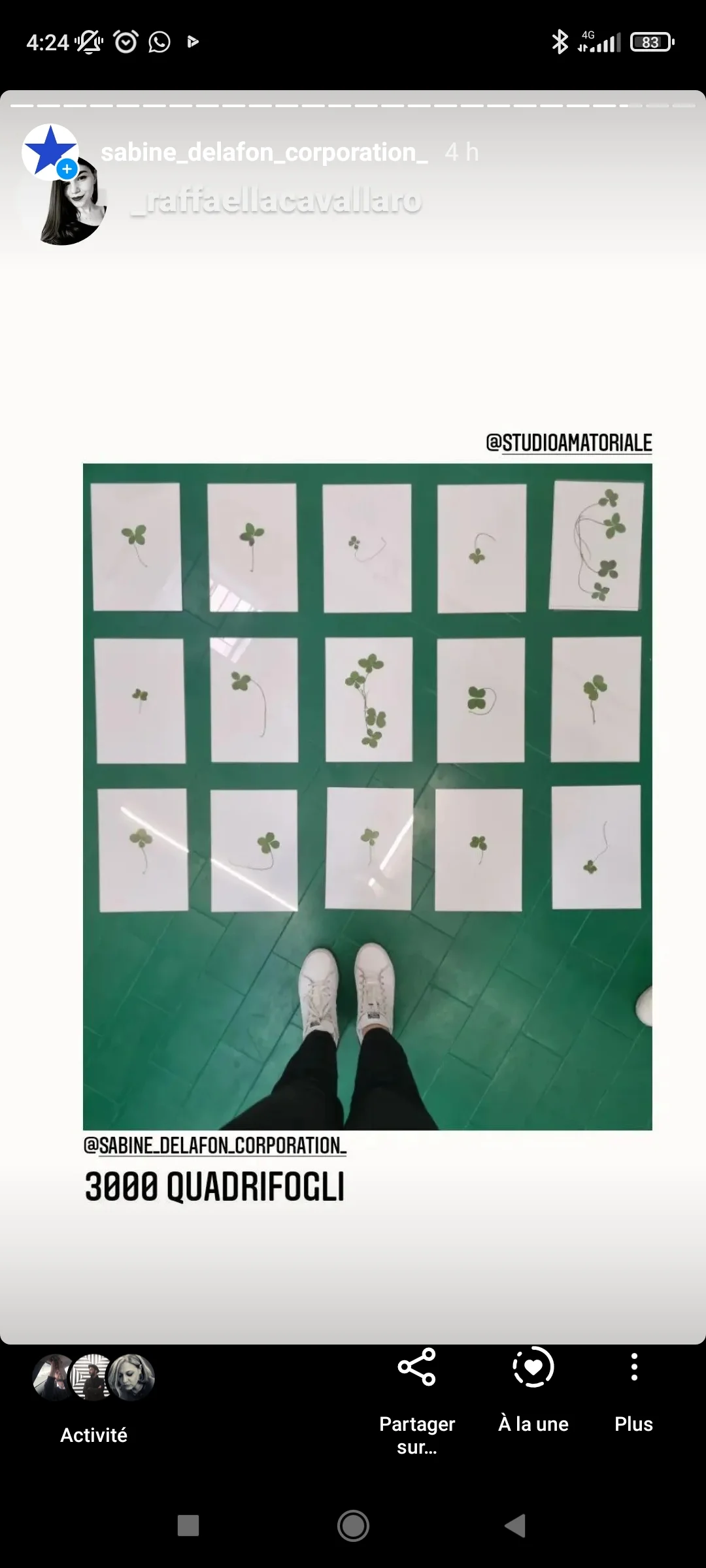
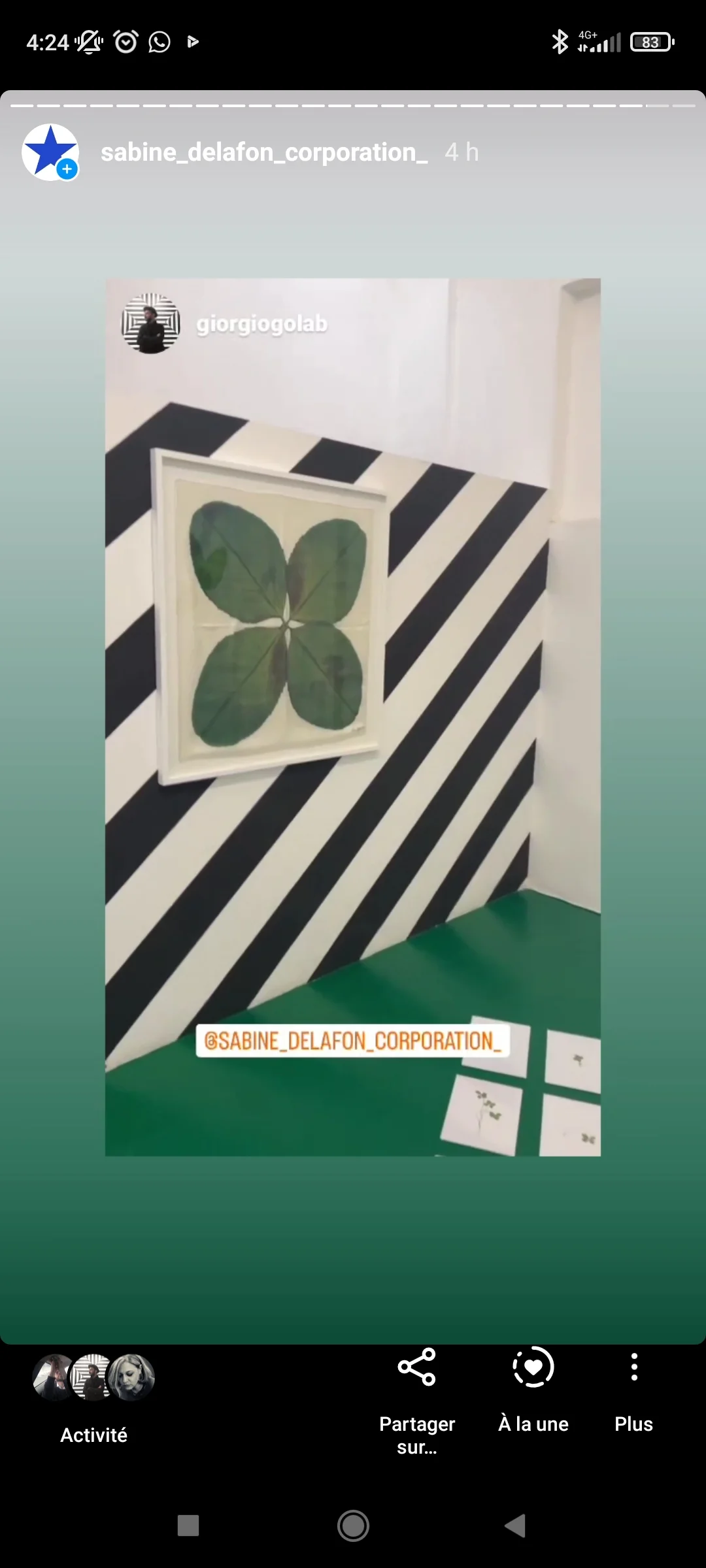
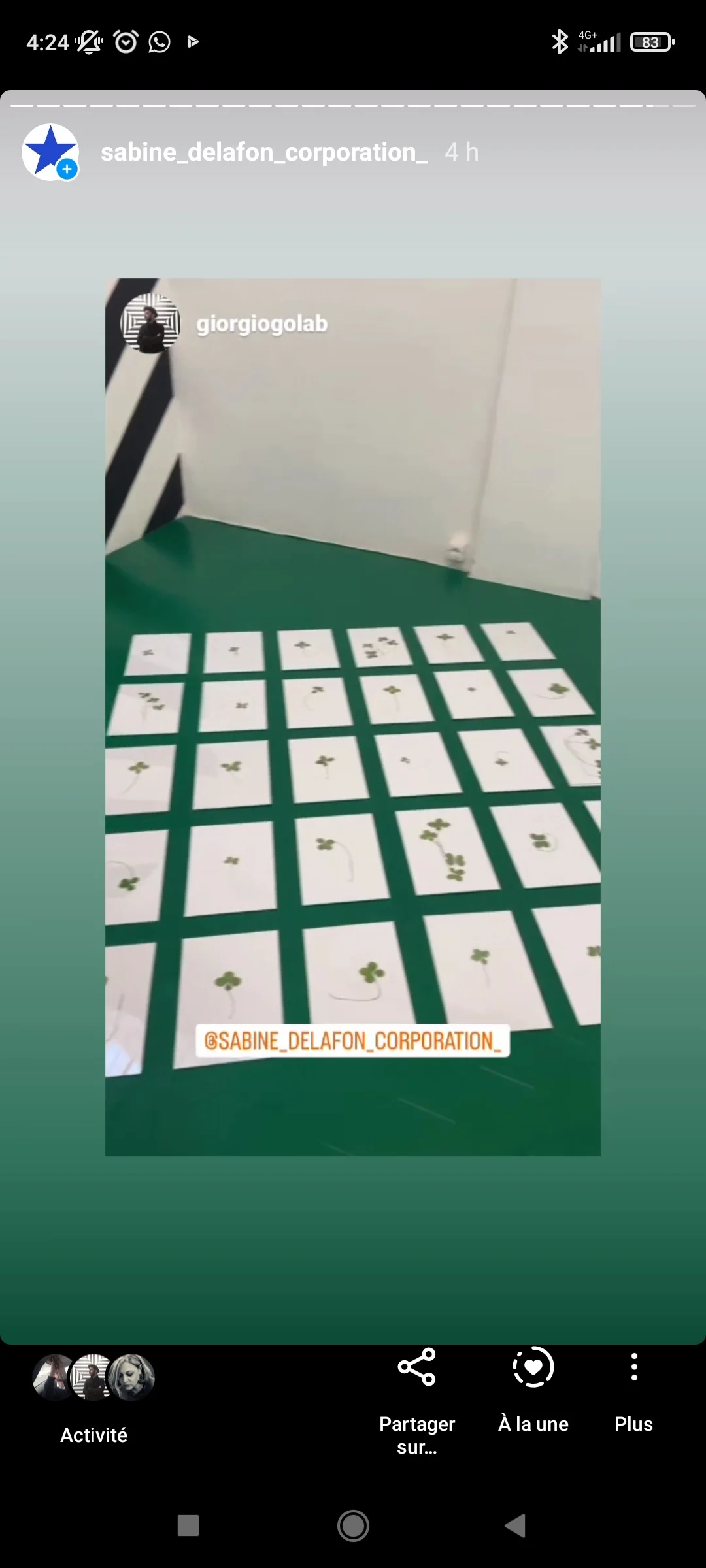
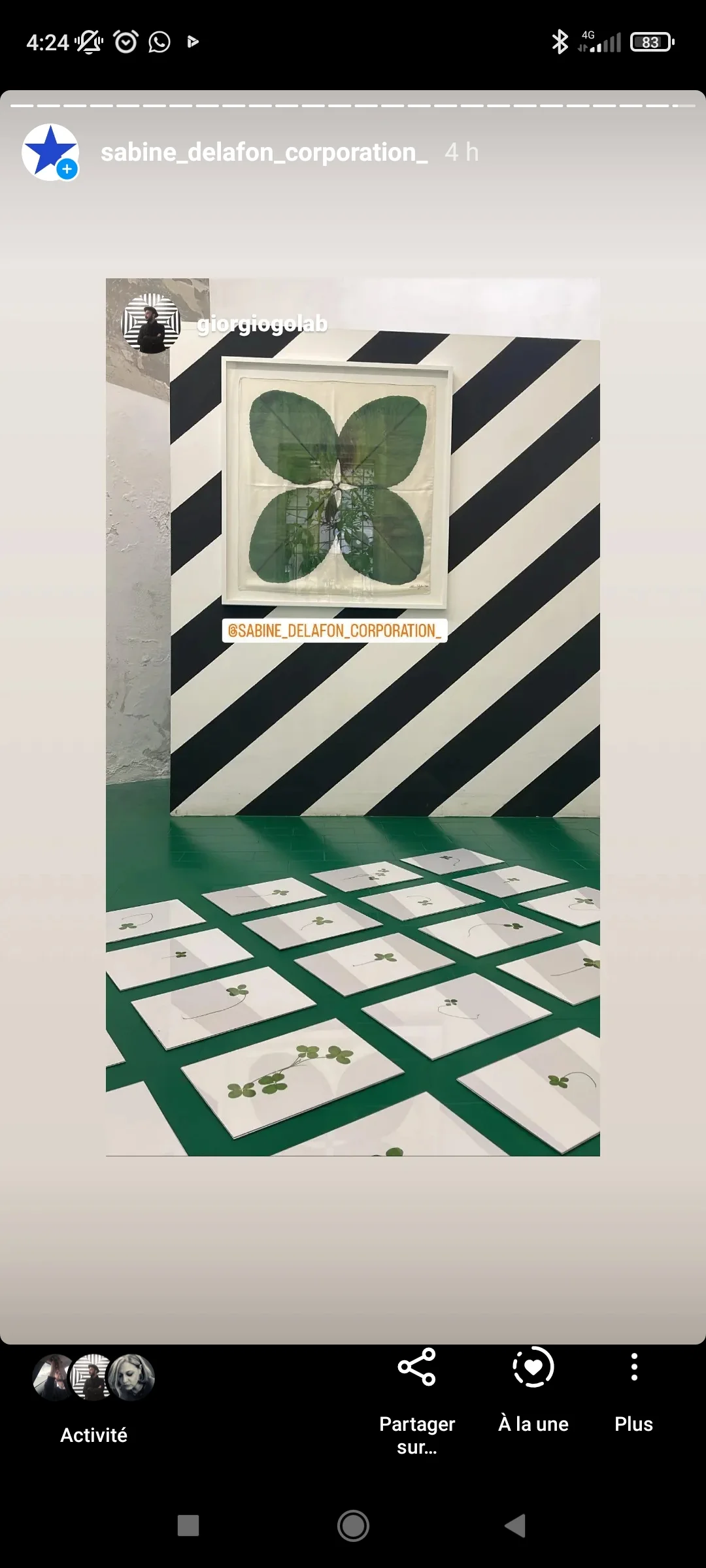
3000 Four-Leaf Clovers Wallpaper, 2020
print on paper variable dimensions
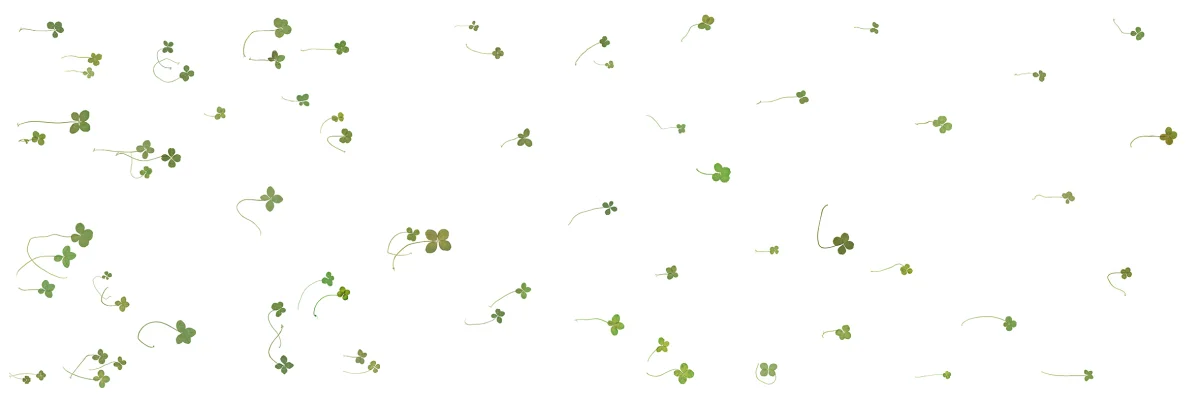
. Unique piece, numbered 1/1. Print on paper and mounted in Perspex. 15 cm x 20 cm |18 x 24 cm | 30 x 40 cm |120 x 200 cm
. Foulards, 90 x 90 cm silk foulards edizione /10
. 3 000 Four-leaf clovers wallpaper, variable dimensions
2022, 3 000 Four-leaf clovers, Studio Amatoriale, Milan - 2012, Upmarket, curated by Diana Marrone, Milan - 2010, Le Rayon Vert, curated by Francesca Referza, Warehouse, Teramo - 2009, 3 000 Four-leaf clovers, Francesca di Nardo and Marcia Caines, Studio Massimo Alba, Milan - 2004, 18 x 24, curated by Federica Rosso and Franz Paludetto, 41 Contemporary Art Gallery, Turin.
HALLELUJAH, 2008
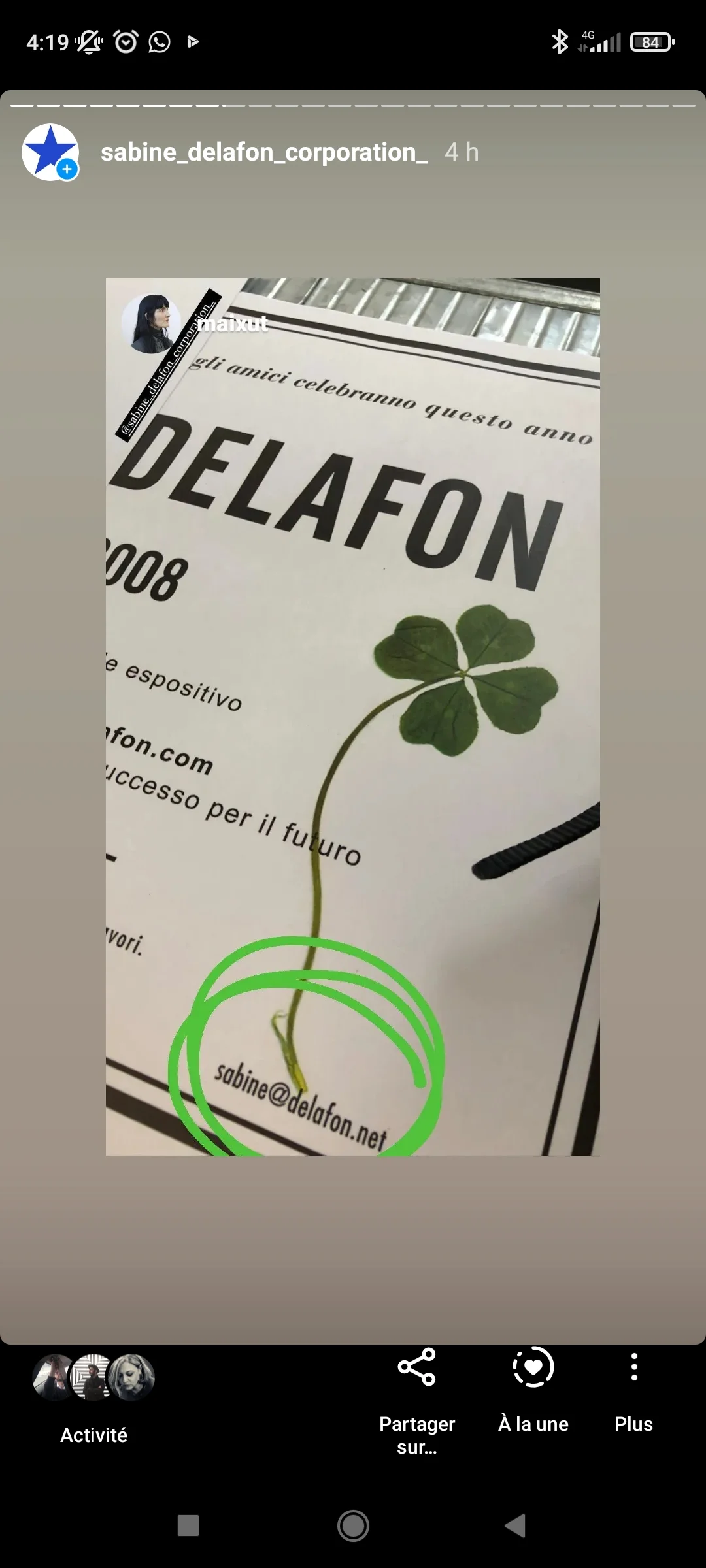
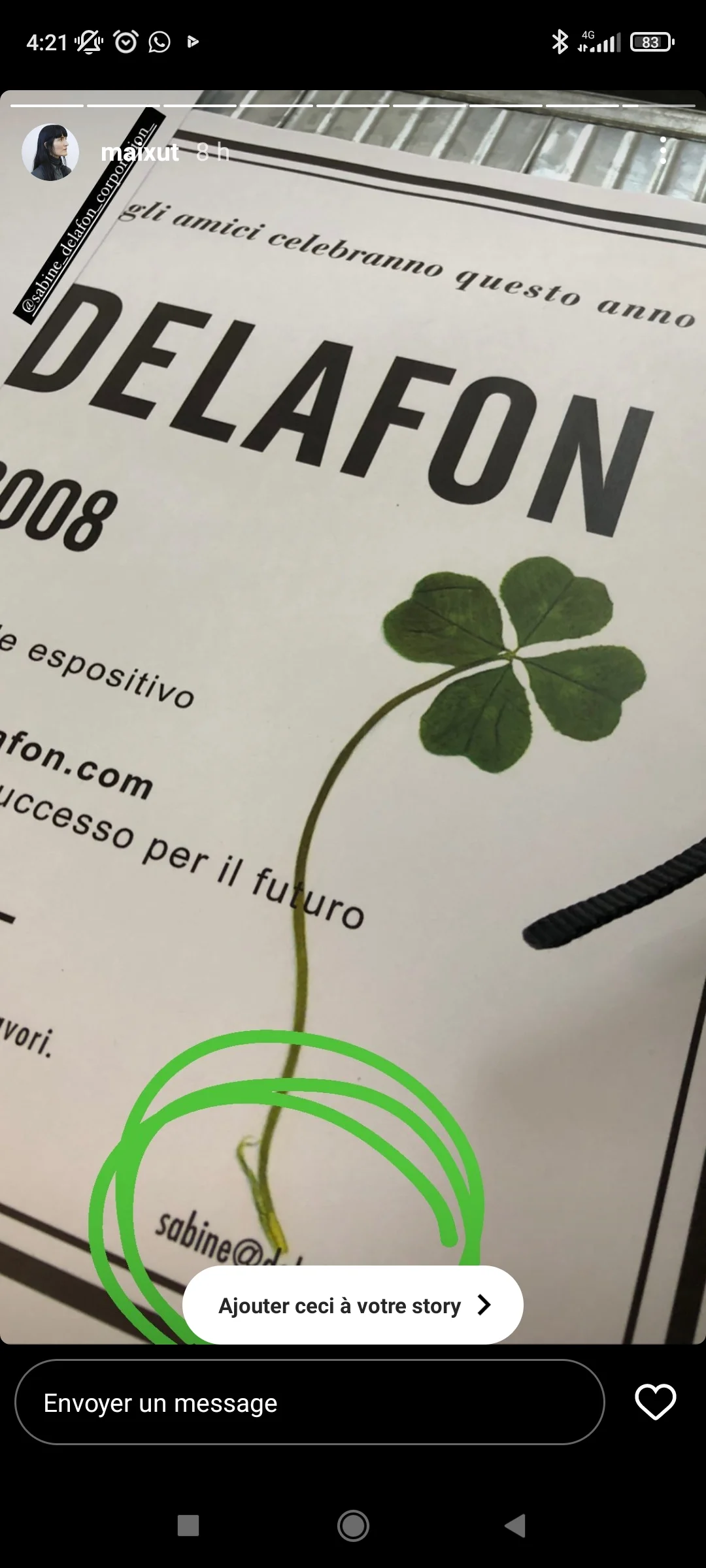
Echoing the classic Italian obituary poster, Hallelujah is an ironic action/provocation. 800 posters were posted in the cities of Milan, Turin, Rome and Naples, 2008
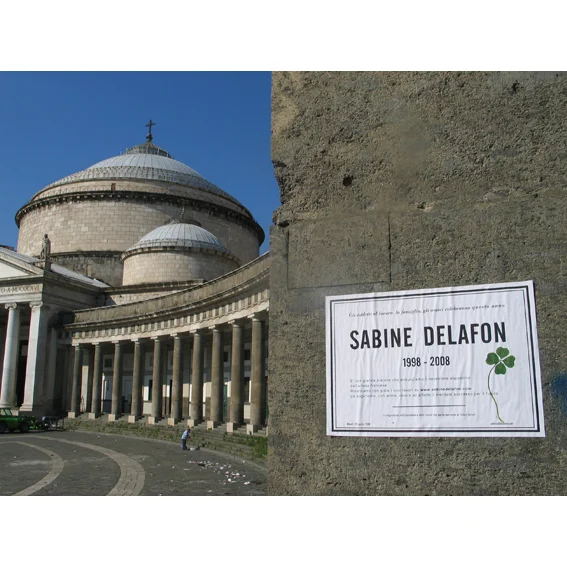
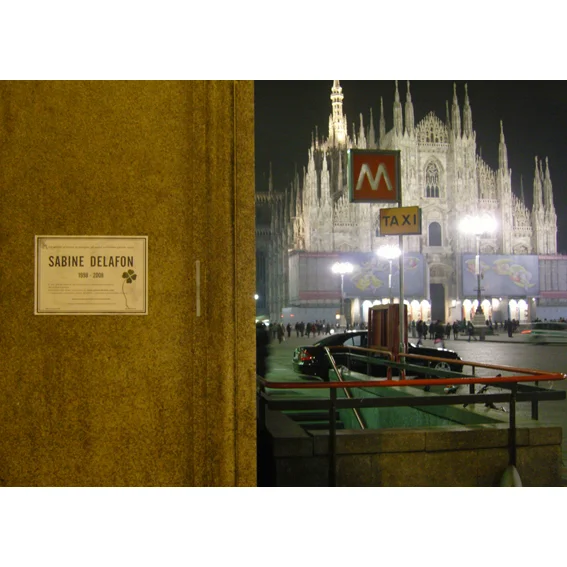
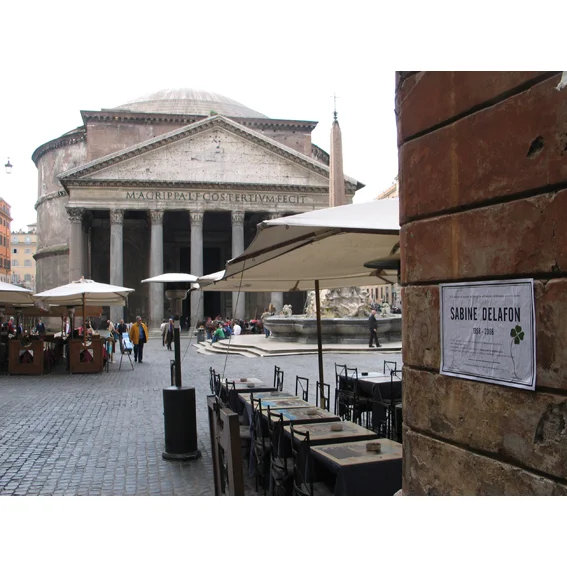
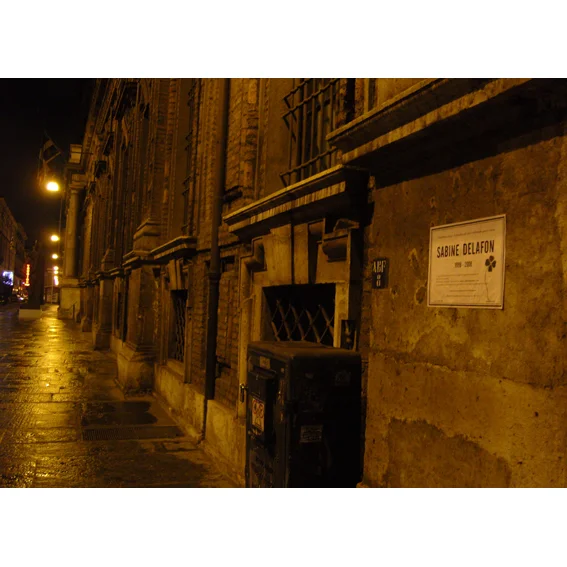
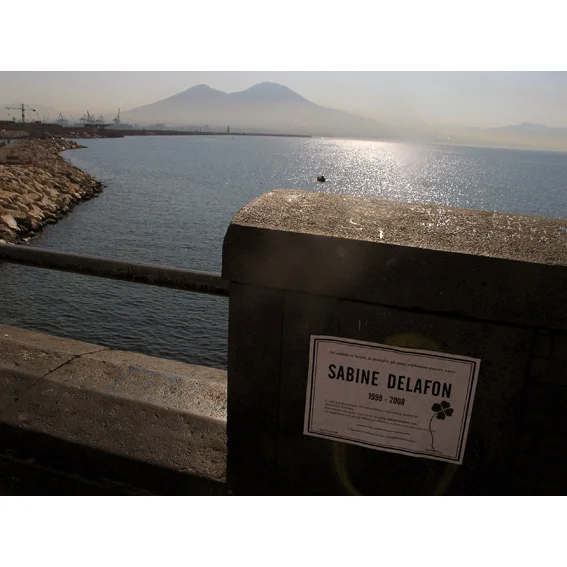
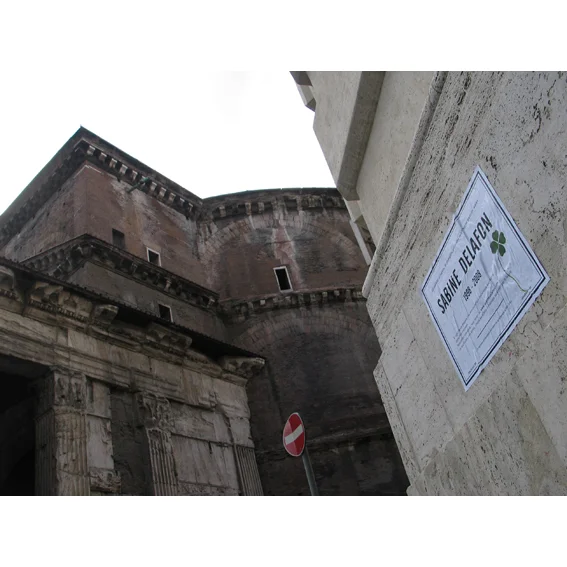
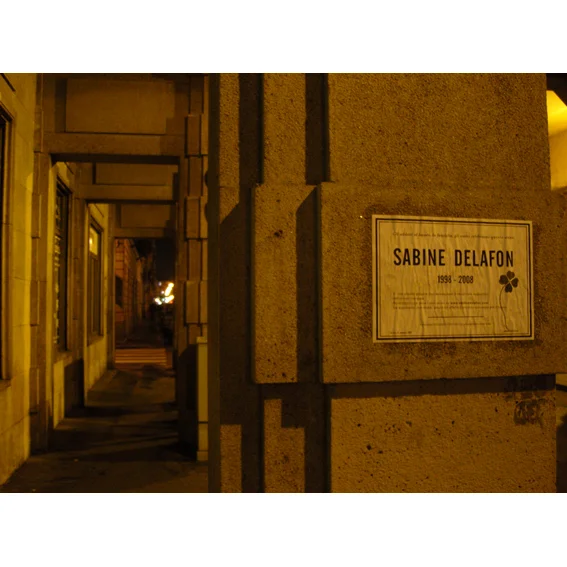
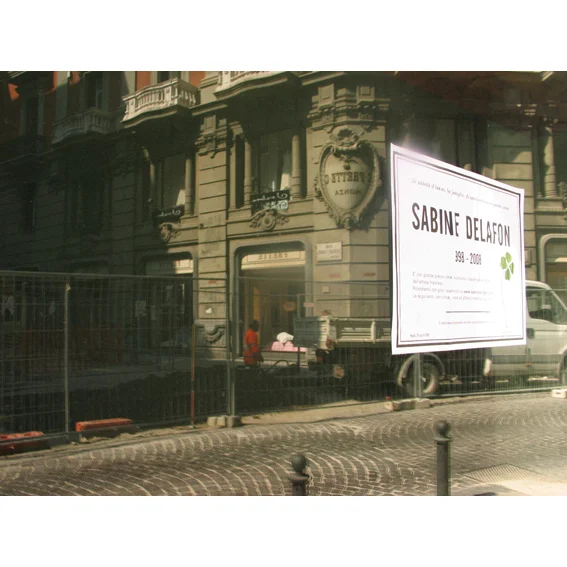
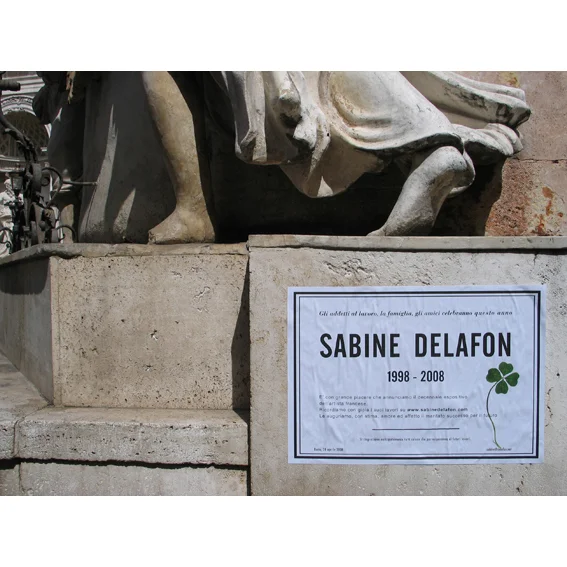
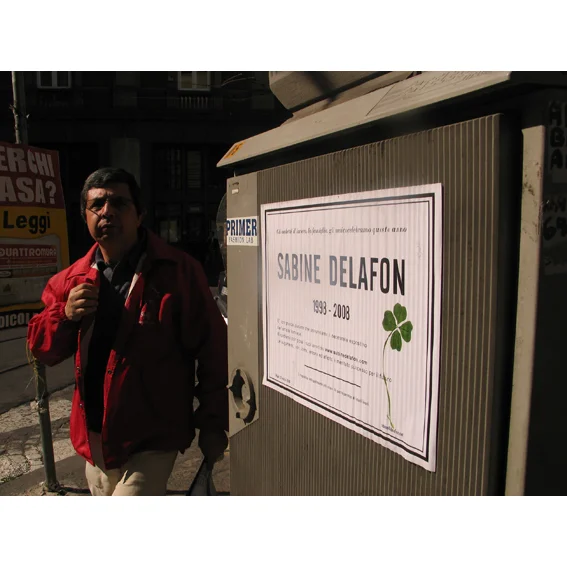
From Turin to Milan leaving farewells on walls.
If, in the next few days, you happen to go for a walk downtown - between Via Mazzini, Via della Rosine, and Via della Rocca - something may catch your eye: a funeral announcement accompanied by a little four-leaf clover and fixed to a wall, in a nook or a cranny. The name printed on the poster belongs to the French artist Sabine Delafon who discloses, in this rather unusual fashion, her first 10 years of work as an artist; the end of a chapter and a new beginning. "Collaborators, family and friends with respect and affection wish her much success for the future...” and she thanks "future collaborators" in advance.
The French artist, born in Grenoble in 1975 lives in Milan and was resident in Turin for some years. Her research has always questioned, through performances, installations, video and photography, a subtle identity unafraid of asking “Who am I? Where am I?”. Delafon isn’t daunted by probing into a fragile awkwardness and vision of the world similar to her person; elegant and discreet with a sense of unease and, here and there, a touch of irony. All of these elements are once again embodied in this last urban act; in written words and in the image of that little four-leaf clover, the only visible element wishing her and all of us: happiness.
Lisa Parola, La Stampa †February 8 2008
. 100 multiples 45 x 30 cm numbered and signed
2008, In sede, curated by Franceco Poli, Regional Piemont Office, Turin - Il Corridoio dell’Arte, curated by Olga Gambari, Province Office, Turin.